BBQ History: Inventors, Innovators & Cultural Figures
American BBQ History: Inventors, Innovators & Cultural Figures
Barbecue’s biggest jumps came from tools, not recipes: George Stephen’s kettle grill, Joe Davidson’s offset smoker, and the writers who kept the record.
Last updated: September 2, 2026 · Originally published November 7, 2025
This is the second of five articles. The first covered the people at the pits. This one covers two groups who mattered just as much and get named far less often: the people who designed the equipment that put barbecue in ordinary backyards, and the historians and authors who wrote down where it actually came from before that record was lost.
Innovators in BBQ History: Revolutionizing Tools
Innovators have played a crucial role in shaping BBQ history. They introduced tools and techniques that made it more accessible and refined. From backyard grills to competition-ready smokers, these contributors transformed BBQ into a craft bridging tradition and modernity. They influence both home cooks and professional pitmasters.
Before these breakthroughs, BBQ was largely an open-pit affair, labor-intensive and weather-dependent. Modern tools democratized the process, allowing experimentation with woods like hickory or mesquite without constant fire-tending. This shift sparked a DIY revolution, turning family gatherings into flavorful experiments.
George Stephen Sr.: Inventor of the Weber Kettle Grill
Envision a 1950s suburban backyard, where George Stephen Sr.’s Weber Kettle Grill transforms BBQ into a household staple. From Chicago, Stephen invented the grill in 1952, inspired by a buoy’s shape. He created a portable, affordable design priced at $29.95 (about $270 today). Its domed lid and vents allowed controlled heat and smoke, democratizing BBQ during the suburban boom. This innovation advanced BBQ by making smoking accessible to all.
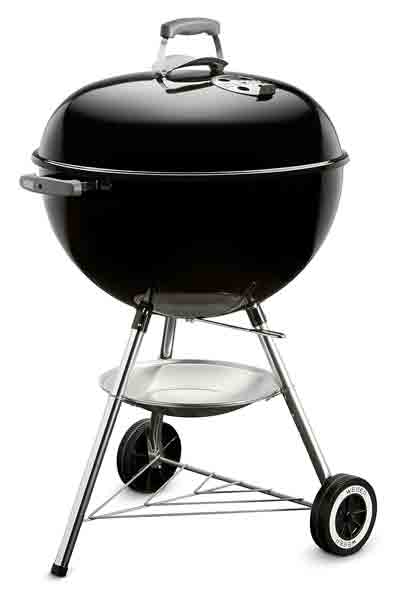
The Weber Grill, now a global brand, revolutionized backyard cooking. It influenced BBQ culture worldwide. Stephen’s invention enabled millions to smoke meats at home. This shaped modern BBQ’s accessibility. His legacy, celebrated on X with #BBQHistory, underscores his role in making BBQ a universal pastime. It blends engineering with culinary passion.
Interestingly, the Kettle’s design mimics ancient clay ovens, echoing BBQ’s indigenous origins while adding modern convenience. Today, Weber variants include smart grills with app controls, evolving Stephen’s vision for tech-savvy pitmasters.
“The Weber Grill turned every backyard into a pit.” — BBQ Historian
Did You Know? Stephen’s grill was inspired by a buoy’s design!
Quick Tip for Home Cooks: Use the Kettle’s vents to maintain 225°F—half-open bottom for intake, adjust top for smoke circulation, ideal for beginners mastering indirect heat.
Joe Davidson: Offset Smoker Innovator
Picture a Texas pitmaster tending a custom offset smoker, its design pioneered by Joe Davidson. This revolutionized low-and-slow BBQ. From Texas, Davidson invented the modern offset smoker in the mid-20th century. It features a firebox separate from the cooking chamber. This allows indirect heat for smoking brisket and ribs. The innovation became essential for Texas BBQ, enhancing competition and restaurant practices.

His influence lies in providing pitmasters with precise control. This shaped Texas BBQ’s brisket focus. Davidson’s smokers, now standard in BBQ, reflect his engineering prowess. His legacy is celebrated on X with #BBQTech. It underscores his impact on modern BBQ tools.
Offset smokers excel in flavor infusion, as smoke swirls gently, mimicking old-school pits but with efficiency. Custom builds today, like those from Oklahoma Joe’s, trace back to Davidson, inspiring backyard welders worldwide.
“My smoker gave BBQ a new rhythm—slow and steady.” — Joe Davidson
Did You Know? Davidson’s offset smoker is a staple in BBQ competitions!
Quick Tip for Home Cooks: Position the food farthest from the firebox in an offset to avoid hot spots—add a water pan for humidity, ensuring even, tender cooks every time.
Cultural Figures: Documenting & Preserving BBQ History
Cultural figures and authors have documented and preserved the rich history of American BBQ. They ensure its stories, techniques, and cultural significance pass down through generations. Through books, articles, and media, these contributors shape the narrative of BBQ. They highlight its diverse roots and global reach.
These chroniclers reveal BBQ’s evolution from enslaved cooks’ ingenuity to global fusion, challenging myths of a “whitewashed” past. Their works inspire modern adaptations, like vegan smokes or international rubs, keeping BBQ vibrant.
Robert F. Moss: BBQ Historian and Editor in BBQ History
Imagine a historian poring over BBQ archives, where Robert F. Moss uncovers the stories behind America’s smoky tradition. As Southern Living BBQ Editor, Moss authored Barbecue: The History of an American Institution. It documents regional variations from Carolina whole hog to Texas brisket. His 2015 article, 15 Most Influential Figures in American Barbecue History, highlights diverse contributors. This emphasizes inclusivity.

Moss’s work blends scholarship with accessibility, influencing BBQ culture. It shapes how enthusiasts understand its history. His X engagement, like #BBQHistory posts, connects with readers. This ensures BBQ’s multicultural roots are celebrated. Making him a key figure in preserving its legacy.
Moss’s research dives into forgotten ads and diaries, revealing how post-WWII migration spread regional styles, like Kansas City’s fusion of German sausages and African American sauces.
“BBQ’s history is America’s history—diverse, messy, and delicious.” — Robert F. Moss
Did You Know? Moss’s book is a must-read for BBQ scholars!
Quick Tip for Home Cooks: Follow Moss’s regional guide: Pair Carolina vinegar with pork, Texas salt-pepper with beef—experiment to discover your signature style.
Adrian Miller: Chronicler of African American BBQ
Envision a writer uncovering hidden BBQ stories, where Adrian Miller shines a light on African American contributions. Author of Black Smoke: African Americans and the United States of Barbecue, Miller’s 2012 CNN article, Beneath Its Whitewashed Veneer, addresses historical exclusions. It highlights figures like Marie-Jean. His work blends research and storytelling, reshaping BBQ’s narrative.
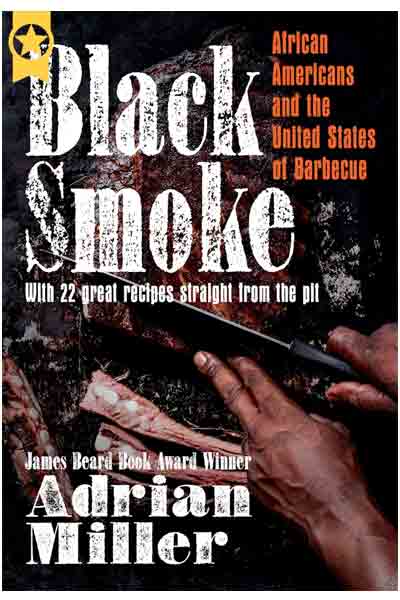
Miller’s influence lies in amplifying marginalized voices. X campaigns like #BlackBBQ spread his message. His talks at BBQ festivals educate audiences. This ensures African American pitmasters’ legacies endure. Making him a pivotal figure in BBQ scholarship.
Miller explores how enslaved cooks innovated with offal and slow-cooking, birthing soul food staples like chitlins, now festival favorites.
“BBQ is a story of resilience, rooted in African American innovation.” — Adrian Miller
Did You Know? Miller’s Black Smoke won a 2022 James Beard Award!
Quick Tip for Home Cooks: Miller’s offal insights: Braise chitlins low and slow with onions for tender texture— a nutritious, budget-friendly nod to history.
Steven Raichlen: Global BBQ Educator
Picture a TV set where Steven Raichlen grills for Project Smoke, teaching millions about BBQ’s global reach. Author of The Barbecue! Bible, Raichlen has popularized BBQ techniques since the 1990s. He emphasizes American roots while exploring international styles. His TV shows, like Steven Raichlen’s Planet Barbecue, and books educate home cooks. This blends scholarship with accessibility.

Raichlen’s influence lies in making BBQ a global phenomenon. X posts like #BBQLife engage fans. His content focuses on fusion BBQ. This ensures his legacy as a BBQ educator. Connecting cultures through smoke and fire.
Raichlen’s recipes fuse Korean gochujang with brisket or Argentine chimichurri with ribs, showing BBQ’s adaptability across borders.
“BBQ is the world’s oldest cooking method—every culture has a story.” — Steven Raichlen
Did You Know? Raichlen’s Barbecue! Bible has sold over 1 million copies!
Quick Tip for Home Cooks: Raichlen’s fusion: Brush ribs with gochujang during the last 10 minutes for spicy-sweet umami—elevate standard BBQ with international flair.
Michael Twitty: Preserving Diverse Roots in BBQ History
Imagine a food writer reviving forgotten BBQ recipes, where Michael Twitty uncovers Wesley Jones’ 1930s vinegar sauce. Exploring African American and Jewish culinary intersections, Twitty’s work, like his blog Afroculinaria, preserves lesser-known histories. His book, The Cooking Gene, connects BBQ to cultural roots. This influences scholarship.

Twitty’s X engagement, like #BlackBBQ posts, amplifies his impact. It educates audiences on BBQ’s diverse origins. His influence lies in bridging culinary traditions. This ensures BBQ’s multicultural story is told. Making him a vital voice.
Twitty’s “Afroculinaria” events recreate 19th-century feasts, linking DNA-tested ancestries to dishes, revealing BBQ’s role in identity reclamation.
“BBQ is a dialogue between cultures—every sauce tells a story.” — Michael Twitty
Did You Know? Twitty’s Cooking Gene won a 2018 James Beard Award!
Quick Tip for Home Cooks: Twitty’s heritage sauce: Blend vinegar, garlic, and herbs from family recipes—use on chicken for a personal, story-infused marinade.
Reader Favorites
- American Regional Barbecue Styles: Learn About Them All Now
- American BBQ History: Pioneering Pitmasters & Restaurateurs
- BBQ Competition History: Legends & Champions
- BBQ Influencer History: Digital Stars & Community Builders
- BBQ History Summary: Key Contributors & Legacy
- What Is Barbecue, Really? The Definition, the History, and What USDA Actually Says
BBQ Temperature Charts & Guides
Four quick-reference tools every cook bookmarks — target temps, pull temps, and how long leftovers keep, plus the full BBQ glossary.
| Cut | Pull | Time |
|---|---|---|
| Brisket | 203°F | 12–16h |
| Spare ribs | 195–203°F | ~6h |
| Pork butt | 203°F | 12–14h |
Target temps & times for 17 cuts, sortable by meat, weight and doneness.
View full chart →| Doneness | Target |
|---|---|
| Rare | 125–130°F |
| Medium-rare | 130–135°F |
| Well-done | 160°F+ |
Rare to well-done, burger safety (160°F) and resting times.
View full chart →| Food | Fridge | Freezer |
|---|---|---|
| Brisket, ribs | 3–4 days | 2–3 mo |
| Smoked sausage | 1 week | 1–2 mo |
| Potato salad | 3–4 days | no freeze |
How long smoked meats & sides keep — fridge and freezer, USDA-based.
View full chart →Every pit term decoded — cooking methods, gear, cuts, wood, and technique, A to Z.
Open the glossary →