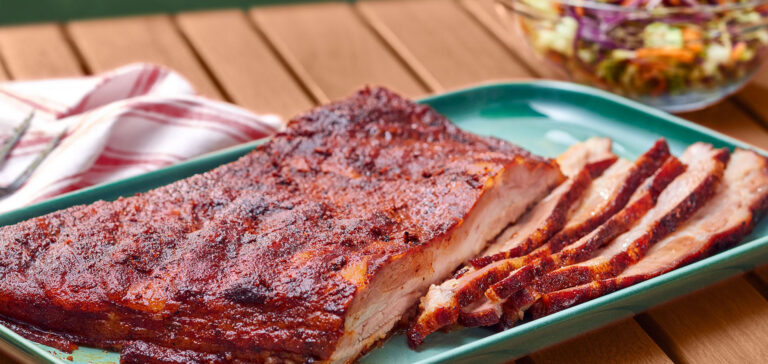
Barbecue is meat cooked slowly by wood or charcoal heat and smoke - but no US authority defines it by temperature. The one federal rule, 9 CFR 319.80, regulates fuel and yield. Plus the primary-source attestations showing the word originally named a rack, not a recipe.
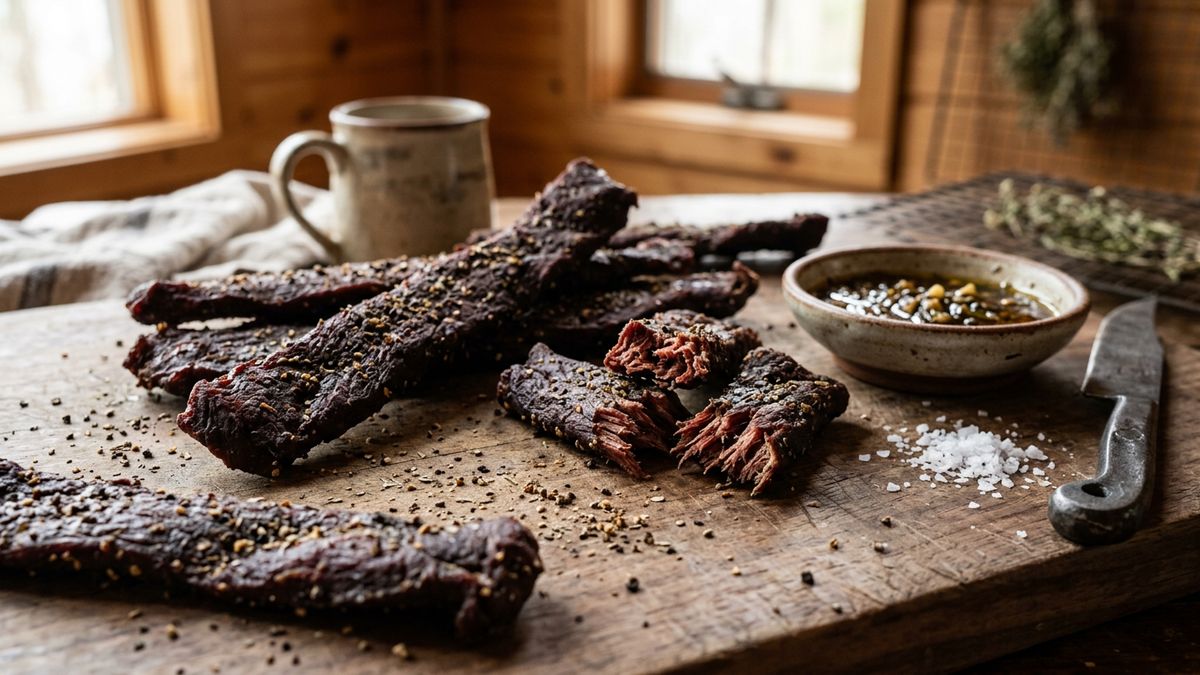
Smoked venison jerky done the way USDA and the National Center for Home Food Preservation say: ¼-inch strips, a 160°F heating step before or after drying, 140°F o...
A practical guide to using pork belly trimmings — render to lard, fry cracklins, blend into burger fat, build sausage, smoke mini burnt ends, and 4 more ways to use every last scrap of fat and trim.
A rib rub recipe written in teaspoons is at least three different recipes, because kosher salts differ by more than 2x in density. Here is the rub in grams, the conversion math derived from each brand’s own nutrition panel, and what the top-ranking recipes actually deliver.
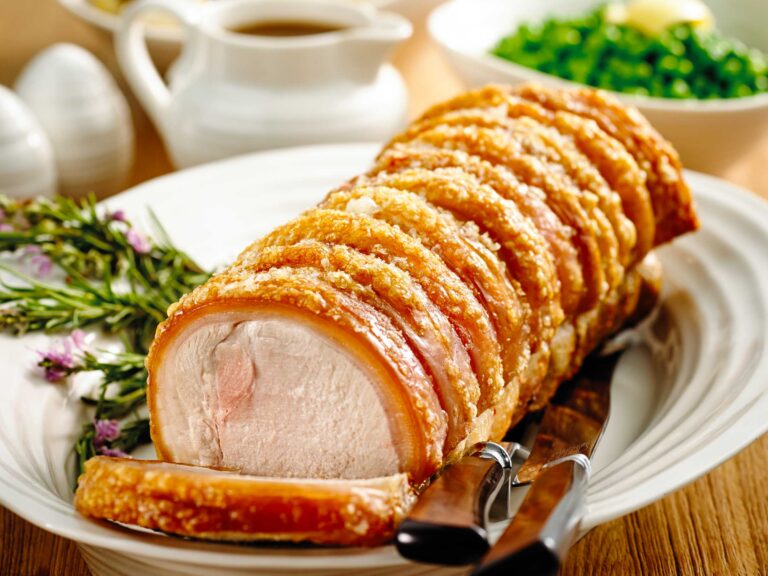
Pork loin and pork tenderloin both cook to 145°F with a three-minute rest. What differs is the oven: 350°F for a loin, 425–450°F for a tenderloin. Every temperature here is cited to USDA, FSIS, the CFR or a land-grant Extension service, with dates.
Dry brining, done by weight. Salt density by brand, the 71 percent error nobody flags, USDA own two-day protocol, how far salt actually travels, and how to spot a pre-brined bird.
Where to put the probe on every cut, the USDA safe-temperature chart, and the altitude-corrected boiling-point table FSIS tells you to go find somewhere else. In Denver, calibrating to 212F builds in a permanent 9.6-degree undercook.
Barbecue is meat cooked slowly by wood or charcoal heat and smoke – but no US authority defines it by temperature. The one federal rule, 9 CFR 319.80, regulates fuel and yield. Plus the primary-source attestations showing the word originally named a rack, not a recipe.
Match the wood to the cut, not the brand. The pitmaster’s wood-meat pairing matrix — hickory, post oak, apple, cherry, pecan, mesquite, maple, alder — by cut.
Lumber Jack wins price. Knotty Wood wins regional flavor. CookinPellets wins consistency. Tested side-by-side on a 14-hour brisket — which brand wins for your cook style.
Bark and crust on brisket are different things. Bark is dark, flavorful, pliable. Crust is hard and dehydrated. The difference comes from fat cap, smoker temp, and surface moisture.