-
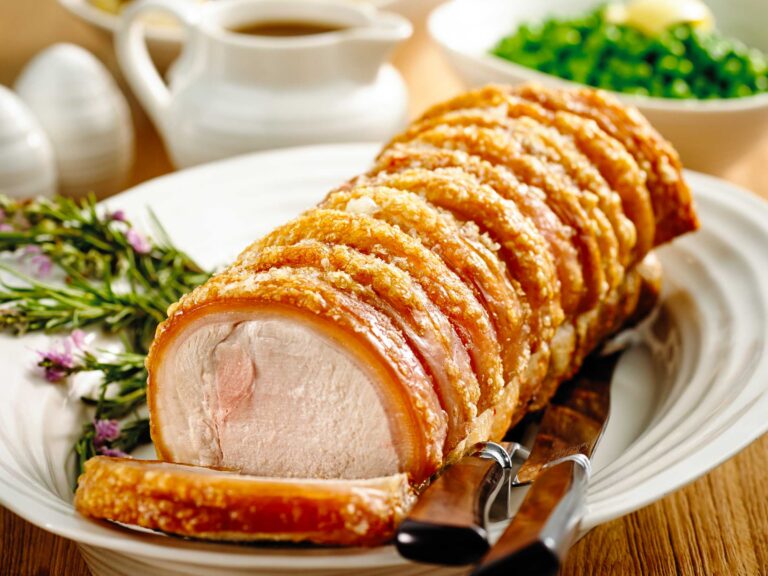
Pork loin and pork tenderloin both cook to 145°F with a three-minute rest. What differs is the oven: 350°F for a loin, 425–450°F for a tenderloin. Every temperature here is cited to USDA, FSIS, the CFR or a land-grant Extension service, with dates.
-
Twenty-seven kamado grills compared on published specs, same-day prices and the warranty fine print — including which brands cover the gasket, which void coverage if you skip registration, and why none of them transfer to a second owner.
-
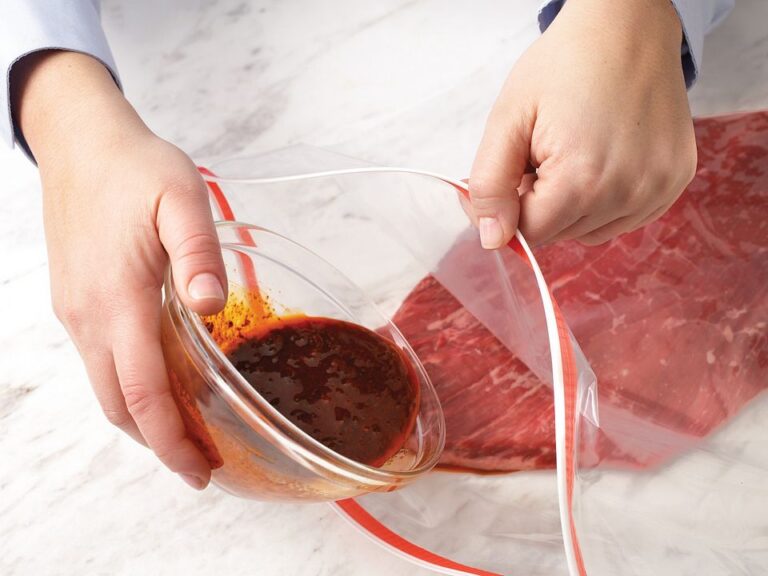
How long to marinate every cut, with an evidence grade on each recommendation, plus why marinade barely penetrates and what sugar does on a hot grill.
-
Dry brining, done by weight. Salt density by brand, the 71 percent error nobody flags, USDA own two-day protocol, how far salt actually travels, and how to spot a pre-brined bird.
-
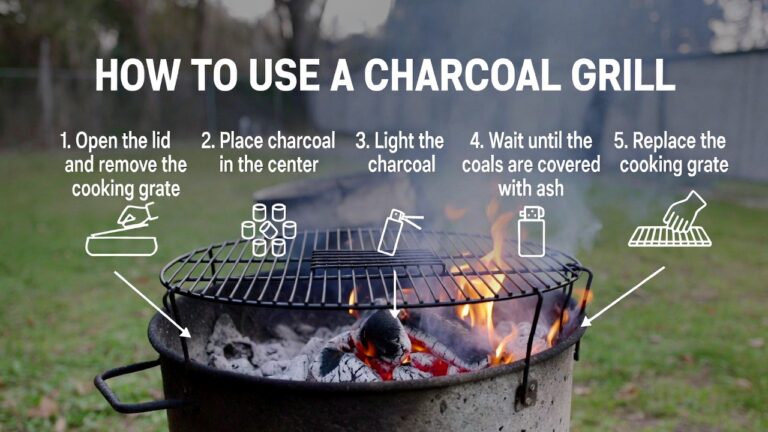
Two-zone setup, vent control, and the 150-degree disagreement over what medium-high heat means, plus the charcoal safety data every other guide skips.
-
Where to put the probe on every cut, the USDA safe-temperature chart, and the altitude-corrected boiling-point table FSIS tells you to go find somewhere else. In Denver, calibrating to 212F builds in a permanent 9.6-degree undercook.
-
Barbecue is meat cooked slowly by wood or charcoal heat and smoke – but no US authority defines it by temperature. The one federal rule, 9 CFR 319.80, regulates fuel and yield. Plus the primary-source attestations showing the word originally named a rack, not a recipe.
-
Smoking times and temperatures for most barbecue cuts land in the same place: 225 to 250F, roughly an hour to an hour and a half per pound for brisket, about an hour and a half for pork butt. Quick answer: Most barbecue cuts smoke at 225–250°F. Plan on roughly 1–1.5 hours per pound for brisket,…
-
Four independent measurements say the beer never boils, and the same standard of evidence says the safety scare is wrong too. What to do instead.
-
Cubed, sauced and re-smoked chuck roast. Plus the meat-science case that chuck is not a downgrade from brisket: by measured shear force the main chuck muscles are more tender than either brisket muscle, and the eight-muscle structure of a chuck roll explains uneven cubes.
-
Reverse searing is the foolproof way to get an edge-to-edge pink, perfectly crusted steak. Here are the exact temps, times, and steps.
-
A deep dive into the most popular pork belly lollipops techniques — classic smoke-and-sauce, the candied “candy apple” method, two-wood smoke profiles, 24-hour salt cure, and hot-honey glaze variations.
More from the Brand Avalanche Network