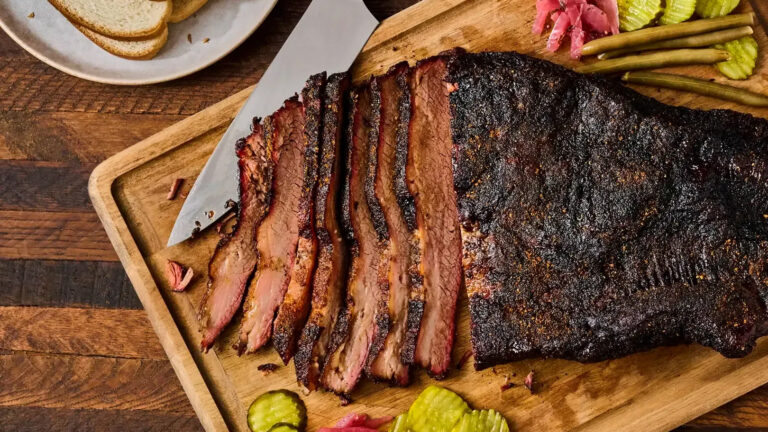
A great Memorial Day brisket isn't a single 14-hour cook — it's 30 days of preparation that starts today. Order your brisket, book your fuel, run two practice cooks. The day-by-day calendar pitmasters use to deliver flawless brisket on the holiday.
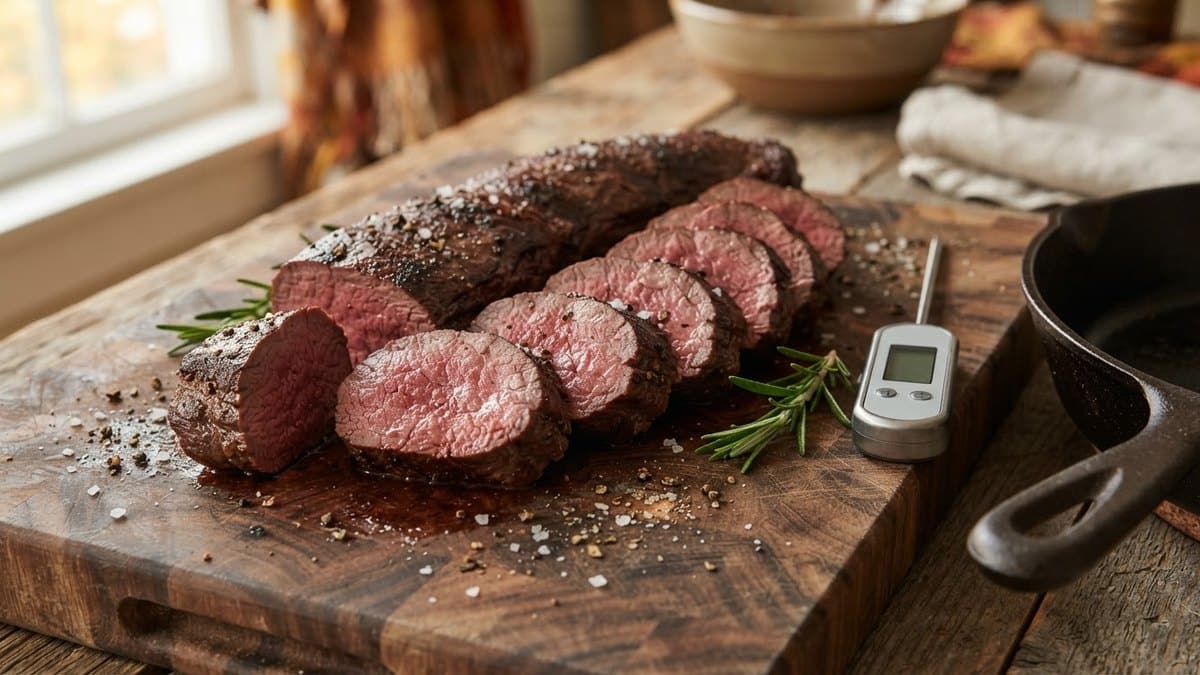
Pull it at about 128°F for medium-rare and let it rest to 130°F to 135°F, or take it to USDA's 160°F for venison. One doneness table, a five-step reverse sear, a...
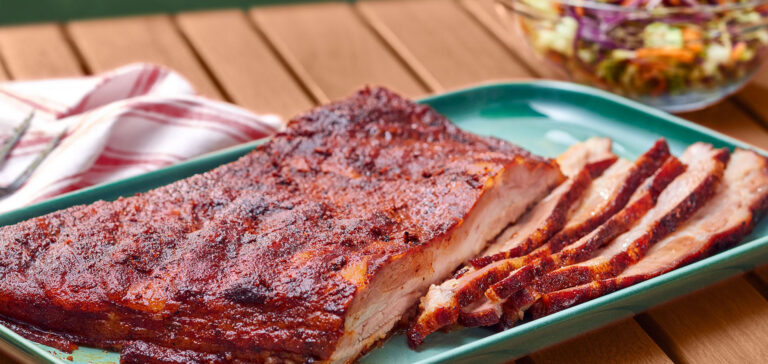
A practical guide to using pork belly trimmings — render to lard, fry cracklins, blend into burger fat, build sausage, smoke mini burnt ends, and 4 more ways to use every last scrap of fat and trim.
Cubed, sauced and re-smoked chuck roast. Plus the meat-science case that chuck is not a downgrade from brisket: by measured shear force the main chuck muscles are more tender than either brisket muscle, and the eight-muscle structure of a chuck roll explains uneven cubes.
A deep dive into the most popular pork belly lollipops techniques — classic smoke-and-sauce, the candied “candy apple” method, two-wood smoke profiles, 24-hour salt cure, and hot-honey glaze variations.
Smoked tri-tip delivers brisket-level flavor in two hours, not twelve. Here’s the reverse-sear method, USDA cost data, and the doneness chart that never lies.
Smoked party ribs cook in 2 hours, not 6 — pitmasters cut each rib off the rack before smoking. Here’s the smoked party ribs method, the timing, and the rub-and-glaze plan.
Match the wood to the cut, not the brand. The pitmaster’s wood-meat pairing matrix — hickory, post oak, apple, cherry, pecan, mesquite, maple, alder — by cut.
Pit Boss wins on cubic inches, hopper, and searing. Traeger wins on app, support, and ecosystem. The 2026 head-to-head pitmasters actually use to decide.
Reverse sear works on thin steaks (1–1.5 inches) — just smoke cooler, sear hotter, and pull earlier. The full step-by-step that gives wall-to-wall pink without the overcook.
Bark and crust on brisket are different things. Bark is dark, flavorful, pliable. Crust is hard and dehydrated. The difference comes from fat cap, smoker temp, and surface moisture.