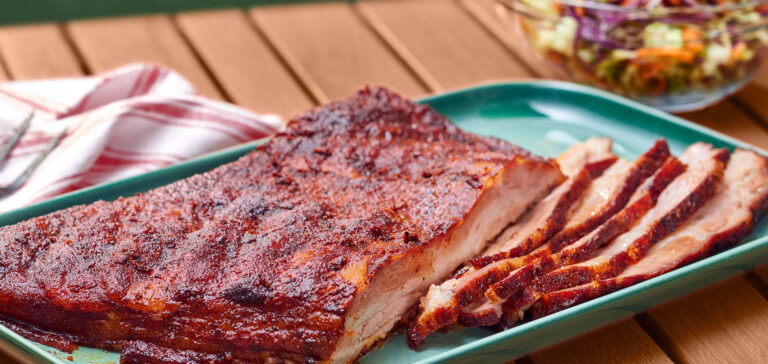

Smoked Pork Chops: Thick-Cut, Juicy, and Ready in Two Hours (2026)
Smoked pork chops prove that great barbecue does not require a whole weekend. A thick-cut chop takes on an hour of smoke, finishes with a quick sear, and lands on the plate juicy, rosy, and full of wood-fired flavor — all inside two hours. The keys are chop selection, a short brine, and pulling at the right temperature instead of the old-fashioned overcooked one.
Last updated: October 6, 2026 · Originally published July 4, 2026
This guide covers which chops to buy, the brine that guarantees juiciness, the smoke-then-sear schedule, and the temperatures that separate tender smoked pork chops from dry ones.
Choosing the Right Chops for Smoking
Thickness matters more than anything else. Buy bone-in rib chops or center-cut loin chops at least 1½ inches thick. Thin chops race past their target temperature before smoke flavor develops; thick chops give you a wide window and a better crust-to-center ratio. The bone slows cooking near the edge and adds flavor insurance.
Look for chops with visible marbling and a solid fat cap along the edge. Heritage breeds like Duroc and Berkshire carry more intramuscular fat and reward the smoker handsomely.


Brine First: The Juiciness Guarantee
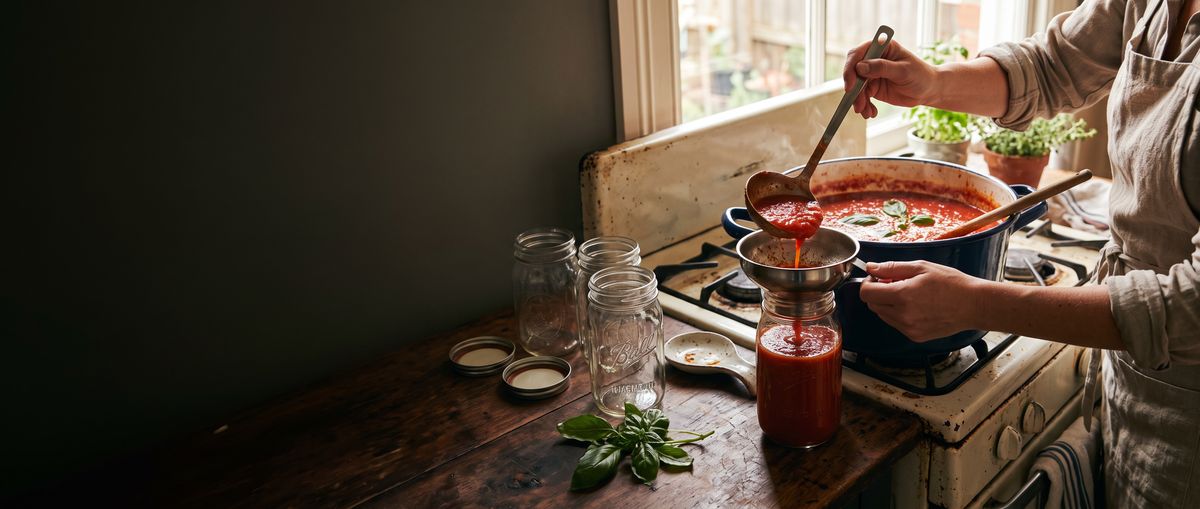
Pork loin is lean, and lean cuts dry out fast. A simple brine — ½ cup kosher salt and ¼ cup sugar per gallon of water, 2 to 4 hours — seasons the chops throughout and helps them hold moisture through the cook. Rinse, pat dry, and season with a pork rub light on salt. For the full science of when to brine versus marinate, see our brine vs. marinade breakdown.
How to Smoke Pork Chops: Step by Step
- Brine 2–4 hours. Then rinse, dry, and season all sides.
- Smoke at 225°F. Place chops on the grate over apple, cherry, or hickory. Smoke 45–75 minutes until the internal temperature reads 130–135°F.
- Sear. Move the chops to high heat — grill grates, cast iron, or a cranked smoker — for 1–2 minutes per side.
- Pull at 140–145°F. Carryover heat finishes the job during the rest.
- Rest 5–10 minutes. Juices redistribute; the chop stays rosy and moist.
Smoked Pork Chops Temperature Guide
| Stage | Temp | Time | Target Internal |
|---|---|---|---|
| Smoke | 225°F | 45–75 min | 130–135°F |
| Sear | 450°F+ | 1–2 min/side | 140–145°F |
| Rest | — | 5–10 min | 145°F finished |
The USDA confirmed years ago that whole-muscle pork is safe at 145°F with a three-minute rest. A blush of pink in the center of smoked pork chops is exactly right. The gray, squeaky chops many of us grew up with were cooked 15 degrees past their best.
Flavor Directions for Smoked Pork Chops
Pork pairs with sweet and smoky equally well. A brown sugar and paprika rub caramelizes beautifully during the sear. Apple wood plus an apple cider spritz doubles the orchard notes. For a glaze, brush on bourbon-brown sugar sauce during the final sear — Oklahoma Joe’s bourbon brown sugar pork chops show how far that combination can go. Their classic smoked pork chops recipe is the reference for the traditional profile.
Building the Plate
Smoked pork chops anchor a plate that comes together fast. Add smoked corn on the cob from the same grate, smoked mac and cheese, or smoked baked beans. Scaling up for a crowd? Run pork belly burnt ends as the appetizer while the chops brine.
Smoked Pork Chops FAQ
How long does it take to smoke pork chops?
Thick 1½-inch chops need 45–75 minutes at 225°F plus a quick sear — under two hours including the brine-to-grate transition and rest.
What temperature do you pull smoked pork chops?
Pull at 140–145°F after the sear; carryover brings the chops to a perfect 145°F. That is the USDA-approved doneness for whole-muscle pork, and the center should show a light blush of pink.
Why did my smoked pork chops turn out dry?
Almost always one of three misses: chops too thin, no brine, or an overshot pull temperature. Thick chops, a 2–4 hour brine, and a 145°F finish solve it.
Bone-in or boneless pork chops for smoking?
Bone-in. The bone buffers heat, protects the surrounding meat, and looks better on the plate. Boneless chops work but demand closer temperature attention.
More Pork Smoking Guides from PopularBBQ
- Pork Belly Burnt Ends
- Smoked Baby Back Ribs: The 3-2-1 Guide
- Big Green Egg Pork Butt
- Smoked Sausage at Home
- Smoking Woods by Cut: Pairing Guide

Reader Favorites
- Creative BBQ Recipes: Fire Up A Unique BBQ Menu Now
- Easy BBQ Foods: Grill Like a Pro with These 10 Recipes
- Smoking Pork Butts: Master Competition-Level BBQ Now
- Different Cuts of Pork: Elevate BBQ Mastery Now
- Easy Pulled Pork Recipe: Simple, Tasty, and Perfect for Gatherings
- Baby Back Ribs of Pork: Smoke Up Your Epic BBQ Now
BBQ Temperature Charts & Guides
Four quick-reference tools every cook bookmarks — target temps, pull temps, and how long leftovers keep, plus the full BBQ glossary.
| Cut | Pull | Time |
|---|---|---|
| Brisket | 203°F | 12–16h |
| Spare ribs | 195–203°F | ~6h |
| Pork butt | 203°F | 12–14h |
Target temps & times for 17 cuts, sortable by meat, weight and doneness.
View full chart →| Doneness | Target |
|---|---|
| Rare | 125–130°F |
| Medium-rare | 130–135°F |
| Well-done | 160°F+ |
Rare to well-done, burger safety (160°F) and resting times.
View full chart →| Food | Fridge | Freezer |
|---|---|---|
| Brisket, ribs | 3–4 days | 2–3 mo |
| Smoked sausage | 1 week | 1–2 mo |
| Potato salad | 3–4 days | no freeze |
How long smoked meats & sides keep — fridge and freezer, USDA-based.
View full chart →Every pit term decoded — cooking methods, gear, cuts, wood, and technique, A to Z.
Open the glossary →