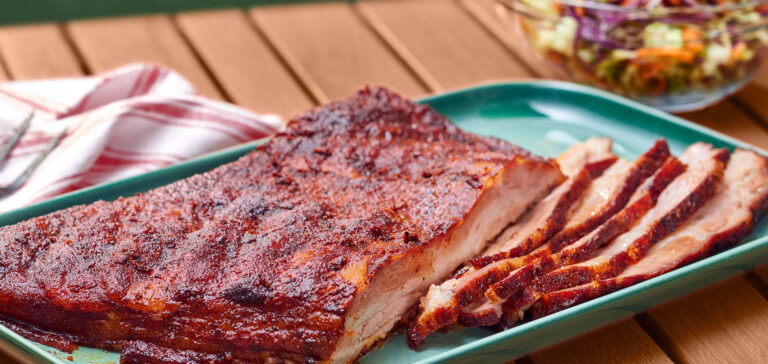
Big Green Egg Pork Butt: How to Prep, Smoke, and Pull It
A Big Green Egg pork butt turns into pulled pork when you cook it indirect at 250°F until the inside reaches about 203°F — figure 1.5 to 2 hours per pound, then a long rest. The ceramic does the hard part. A Large Egg packed with lump charcoal holds a steady temperature for 12 to 18 hours — exactly what a stubborn shoulder needs.
Last updated: July 9, 2026 · Originally published May 23, 2026
Prep, fuel, and patience are the whole job. This guide takes the cut from butcher counter to cutting board: trimming, Egg setup, the stall, the wrap, the finish. Updated May 23, 2026.
What a Pork Butt Actually Is — and Why It Suits the Egg
A pork butt is the upper section of the hog’s front shoulder — not the rear, despite the name. Butchers also call it a Boston butt. It sits above the picnic on the shoulder primal and carries a blade bone, ribbons of intramuscular fat, and a dense fat cap on one side.
That fat is the point. Slow heat melts the fat and connective tissue into the meat. Lean cuts dry out over a long cook; a pork butt only gets better. Most run 6 to 10 pounds bone-in, and pound for pound it is one of the cheapest ways to feed a crowd off a smoker — easier on the wallet than a packer brisket.
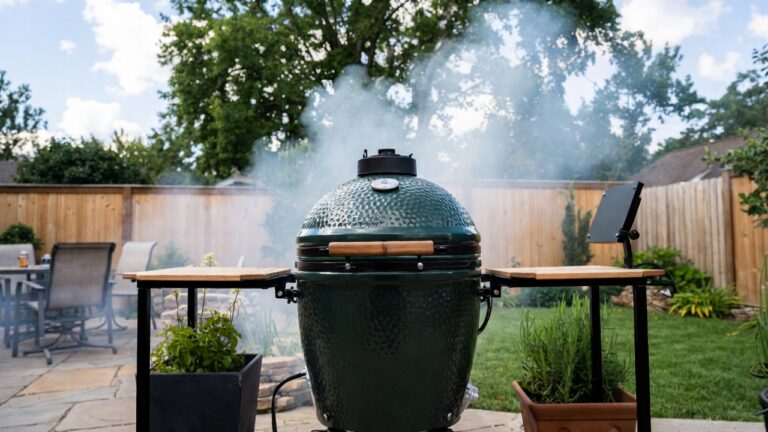
The Big Green Egg suits the cut because a kamado holds low heat for a long time. Thick ceramic walls trap heat and choke airflow, so once the Egg settles at 250°F it stays there. A backyard Big Green Egg pork butt can run 10 to 14 hours on a single load of charcoal.


How to Prep a Pork Butt for the Big Green Egg
Good pulled pork starts a day early. Prep is three moves: trim, season, and let the rub set.
Trim the fat cap down to about a quarter inch. A thick cap never fully renders, and it blocks smoke and seasoning from the meat. Leave a thin protective layer and pull off any loose, papery fat and silverskin. Do not toss the trimmings — rendered pork fat is useful, and sister site Current Homesteading has a walk-through on turning it into lard.
Season heavy. A pork butt has a lot of surface area and mass, so a light dusting disappears. Coat every side with a thin film of yellow mustard or oil so the rub grips, then apply a barbecue rub built on coarse salt, black pepper, and paprika — brown sugar too, for a darker bark. Big Green Egg’s own pork shoulder recipe keeps it to oil and a single seasoning, proof that a 14-ingredient blend is not required.
Wrap the seasoned butt and refrigerate it overnight, or at least a few hours. The salt works inward while the surface dries, which helps smoke stick. Pull it from the fridge while the Egg heats; a cold start is fine and buys more smoke time.
Setting Up the Big Green Egg for a Long, Steady Smoke
A pork butt cooks indirect, with no flame under the meat. On a Big Green Egg, that means the convEGGtor — the ceramic heat deflector that turns the Egg from a grill into an oven. Legs down, cooking grid on top.
Fill the firebox to the top with natural lump charcoal. Lump is the fuel a kamado wants: it lights fast, burns clean, and leaves little ash to choke airflow. A full load is not overkill — a pork butt cook is long, and relighting halfway through is miserable. Light one spot, not the whole bed, so the fire creeps instead of races. Lump runs hot, so keep the Egg on a non-combustible surface and follow basic grill-fire safety.
Set the Egg for 250°F. Big Green Egg’s published recipe runs hotter at 275°F, which also works — higher heat firms the bark and shortens the cook, lower heat runs juicier and more forgiving. Anywhere from 225°F to 275°F is proven ground. Control it with the bottom draft door and top vent in small moves, waiting several minutes between adjustments. Chasing the dial is the most common rookie mistake.
For smoke, add three or four fist-sized wood chunks once the Egg is stable. Hickory is the Southern standard for pork; apple and cherry run sweeter and milder; pecan and oak land in between. Chunks, not chips — chips burn off in minutes.
Smoking the Pork Butt: Temperature, Timing, and the Stall
Set the pork butt on the grid fat side down and close the lid. Then leave it alone — every time the dome opens, the Egg sheds heat and the cook stretches longer.
Run a leave-in probe thermometer to track the internal temperature without lifting the lid. Plan on 1.5 to 2 hours per pound at 250°F, so an 8-pound butt lands around 12 to 16 hours. Treat the clock as a guide and the thermometer as the truth — two butts of the same weight can finish an hour apart.
Somewhere around 150°F to 170°F internal, the temperature stops climbing, sometimes for several hours. This is the stall, and it catches every first-timer off guard — but it is not a broken fire. As surface moisture evaporates, it cools the meat almost as fast as the Egg heats it, the same physics that makes sweat work. The stall breaks on its own once the surface dries.
How to Wrap a Pork Butt to Beat the Stall
The fix has a name: the Texas crutch. At the stall you pull the butt, seal it in a wrap, and put it back on. The wrap traps moisture against the meat, stops the evaporative cooling, and the temperature climbs again.
Wrap once the internal temperature hits roughly 165°F to 170°F, or once the bark has set to a deep mahogany and will not smudge under a finger. Two materials work:
- Aluminum foil — Big Green Egg’s recipe pours in half a cup of apple juice and seals the butt in a double layer of heavy-duty foil. Foil is the fastest route through the stall and the most forgiving; it softens the bark a little.
- Butcher paper — unwaxed peach or pink paper breathes slightly, so it guards the bark better than foil while still cutting the stall short.
Either way, wrap fat side up and return the butt to the Egg. Wrapping is optional — plenty of competition cooks run a butt bare the whole way — but on a long backyard cook it saves an hour and lowers the odds of a dry result.
How to Tell When a Pork Butt Is Done
A pork butt is done by feel, not by the clock. The target internal temperature is 200°F to 205°F, with 203°F the number most pitmasters name; Big Green Egg’s recipe calls it at 200°F. That range sits well above the safe pork temperature of 145°F — the extra heat is about texture, not safety. Collagen and connective tissue only melt into soft gelatin above about 195°F, and that is what lets the meat shred.
Confirm with a probe. Slide a thermometer or wooden skewer into the thickest section: when it is ready, it pushes in with almost no resistance, like room-temperature butter. If it drags or feels firm, give it another 30 to 45 minutes. A butt that hit 203°F but still probes tight is not done.
One more tell is the blade bone. On a finished bone-in pork butt, that bone wiggles loose and pulls clean out of the meat.
Resting and Pulling the Pork Butt
The rest is not optional — it is where impatient cooks give back a good cook. Pull the butt off and let it sit, still wrapped, for at least 45 minutes; an hour or two is better. Resting lets the juices settle back into the meat instead of running out the moment it is opened.
For a longer hold, use a faux cambro: set the wrapped butt in an empty cooler, pack towels around it, and shut the lid. It holds above serving temperature for four hours or more, which makes timing dinner easy.

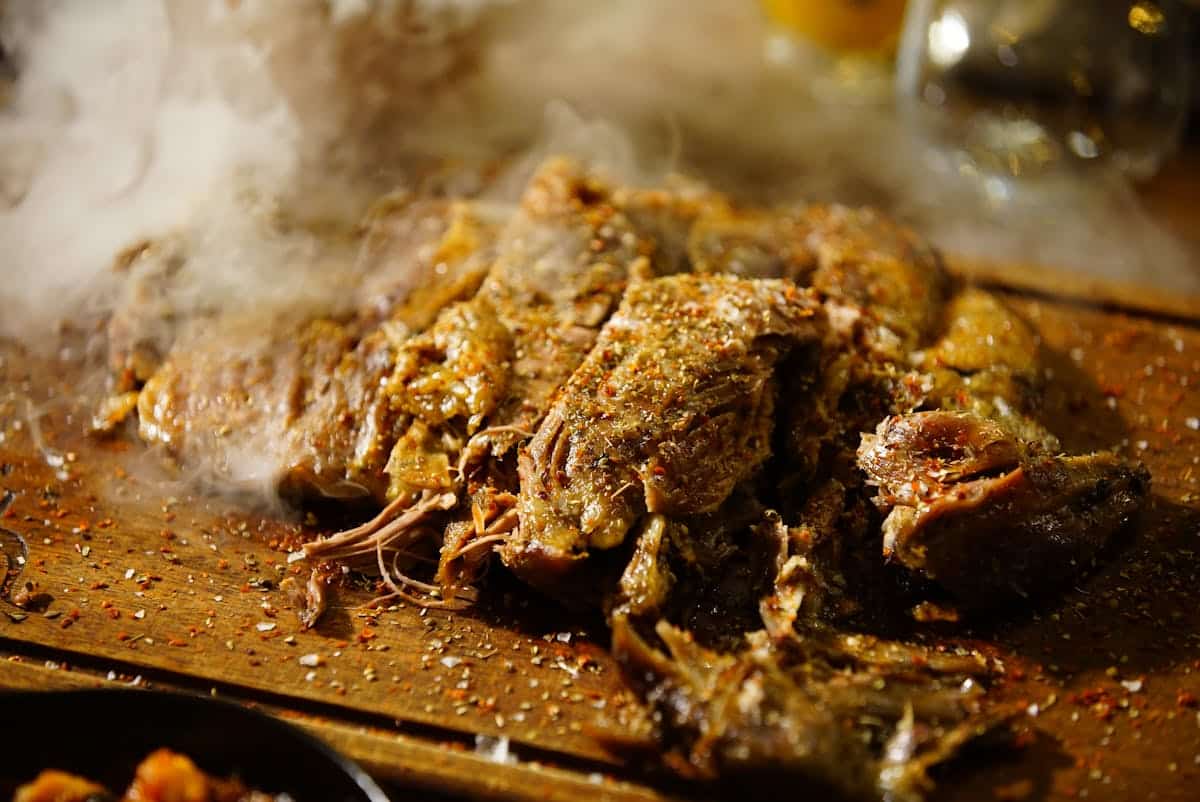
Once rested, unwrap the butt over a pan to catch the juice. Pull the bone, then shred the meat with two forks, meat claws, or gloved hands, working out any leftover fat and gristle. Pour the saved juice back over the pulled pork — that step alone separates moist barbecue from dry.
Serve it on soft buns with slaw and a thin vinegar sauce, or plate it with beans and pickles. Leftovers freeze well for months. When sourcing the next one, a butcher near you often sells a better-trimmed, bone-in shoulder than the shrink-wrapped case — and if you are still shopping for a cooker, our guide to reading a grill sale breaks down what is actually a discount.
Big Green Egg Pork Butt FAQ
How long does it take to smoke a pork butt on a Big Green Egg?
Plan on 1.5 to 2 hours per pound at 250°F, so an 8-pound butt runs roughly 12 to 16 hours. Higher heat shortens that, and wrapping at the stall shaves off an hour or more. Always cook to internal temperature rather than the clock, because weight is only an estimate.
What temperature should the Big Green Egg be for a pork butt?
Set it between 225°F and 275°F. The 250°F mark is a reliable middle; Big Green Egg’s own recipe runs 275°F for a firmer bark and a shorter cook, while lower temperatures give a juicier, more forgiving result. Pick a number and hold it steady — drifting is worse than the exact setting.
Should you wrap a pork butt on the Big Green Egg?
Wrapping is optional but worth it for most backyard cooks. Sealing the butt in foil or butcher paper at the stall, around 165°F internal, pushes the meat past the plateau, holds in moisture, and cuts an hour or more off the cook. Skip the wrap only if you want the darkest, firmest bark and have time to spare.
Do you smoke a pork butt fat side up or down?
Fat side down is the common choice on a Big Green Egg, because the convEGGtor radiates heat from below and the fat layer shields the meat. Big Green Egg’s recipe starts fat side down, then flips fat side up after wrapping. Either way, holding a steady temperature matters more than the fat cap.
How much lump charcoal do you need for a pork butt?
Fill the firebox completely. A long pork butt cook can run well past 12 hours, and a full load of natural lump charcoal in a Large Big Green Egg will outlast it. Running low mid-cook forces a messy refuel, so start full — leftover lump simply relights for the next cook.
Why did my pulled pork come out dry?
The usual causes are pulling it too early, skipping the rest, or cooking too lean. A pork butt needs to reach 200°F to 205°F so the collagen melts; under that, it shreds tough and dry. Resting wrapped for an hour and mixing the saved juices back into the pulled pork fixes most dryness.
Prep, fuel, patience — the Egg quietly covers the fourth thing, the long steady heat. Handle your three, trust the probe over the clock, and a Big Green Egg pork butt comes off the grid worth every hour it asked for.
Photography: Mohamed Olwy and Vékony Richard via Pexels (Pexels License, free for commercial use). Video: Big Green Egg.

Reader Favorites
- Easy BBQ Foods: Grill Like a Pro with These 10 Recipes
- Smoking Pork Butts: Master Competition-Level BBQ Now
- Different Cuts of Pork: Elevate BBQ Mastery Now
- Easy Pulled Pork Recipe: Simple, Tasty, and Perfect for Gatherings
- Baby Back Ribs of Pork: Smoke Up Your Epic BBQ Now
- Pork Belly Burnt Ends: Grill the Ultimate BBQ Treat Now
BBQ Temperature Charts & Guides
Four quick-reference tools every cook bookmarks — target temps, pull temps, and how long leftovers keep, plus the full BBQ glossary.
| Cut | Pull | Time |
|---|---|---|
| Brisket | 203°F | 12–16h |
| Spare ribs | 195–203°F | ~6h |
| Pork butt | 203°F | 12–14h |
Target temps & times for 17 cuts, sortable by meat, weight and doneness.
View full chart →| Doneness | Target |
|---|---|
| Rare | 125–130°F |
| Medium-rare | 130–135°F |
| Well-done | 160°F+ |
Rare to well-done, burger safety (160°F) and resting times.
View full chart →| Food | Fridge | Freezer |
|---|---|---|
| Brisket, ribs | 3–4 days | 2–3 mo |
| Smoked sausage | 1 week | 1–2 mo |
| Potato salad | 3–4 days | no freeze |
How long smoked meats & sides keep — fridge and freezer, USDA-based.
View full chart →Every pit term decoded — cooking methods, gear, cuts, wood, and technique, A to Z.
Open the glossary →