Brisket Dry Rub: Science-Backed Recipe for Smoky Perfection
Brisket Dry Rub: The Science Behind That Snap-Worthy Bark

A brisket dry rub is half salt, half coarse pepper, then paprika, garlic, onion and a little sugar. Apply it 12 to 24 hours ahead.
Last updated: September 15, 2026 · Originally published October 16, 2025
That is the whole thing. What follows is why each part is there, because once you know that you can change the ratios without guessing. Everything about a brisket dry rub comes back to salt drawing moisture to the surface and pepper giving the bark its texture. A brisket dry rub that crumbles is almost always short on salt or heavy on sugar. Ratios and troubleshooting below. Link back to our Ultimate BBQ Guide for the full feast.
Why a Rub Works
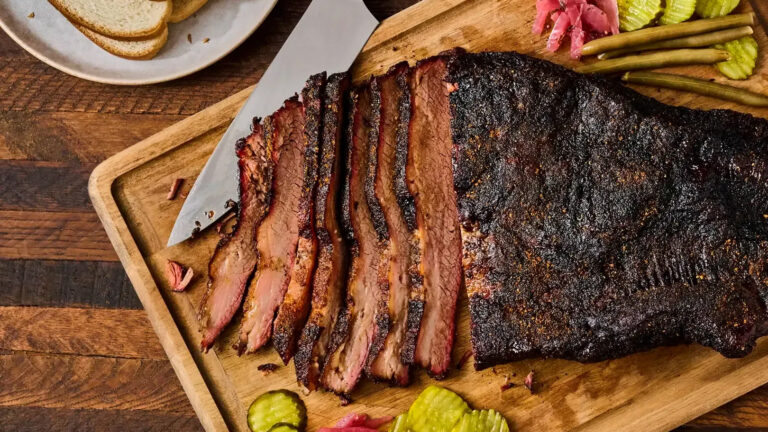
A good brisket dry rub does two jobs. Salt pulls moisture to the surface, which then dries into the tacky layer that bark forms out of. Sugars caramelize above about 300°F and add color, which is why too much of them scorches. The pink smoke ring is unrelated to the rub: it is nitrogen dioxide from the burning wood binding to myoglobin near the surface, and it stops developing once the meat passes roughly 140 to 160°F. Apply the rub 12 to 24 hours ahead and leave it uncovered in the fridge.

Brisket Dry Rub Recipe (enough for a 12 to 15 lb brisket)
Scale it up or down as needed. Coarse grinds give texture, fine grinds give even coverage, and you want both.
- 1/2 cup kosher salt (draws moisture to the surface and seasons through)
- 1/2 cup coarse black pepper (16-18 mesh; the texture of the bark comes from this)
- 1/4 cup smoked paprika (color and a little smoke)
- 2 tbsp garlic powder (savor)
- 2 tbsp onion powder (depth behind the garlic)
- 1 tbsp brown sugar (color; do not overdo it or it burns)
- 1 tsp cayenne (heat to cut fat)
Mix it dry and store it airtight for up to six months. For a Texas lean, push the pepper up. For a Southern lean, push the paprika up.
How to Apply It

Trim the silver skin, then a thin mustard binder to help the rub adhere. It cooks off entirely, so it adds nothing to the taste. Pat the brisket dry rub on evenly, about a quarter cup per 5 lbs. Press it in rather than rubbing it around. Wrap and refrigerate overnight. Smoke at 225 to 250°F over hickory, wrap at the 165°F stall, and probe for tenderness around 203°F. Rest two hours, then slice against the grain.
Troubleshooting
Soft bark usually means not enough salt, or too much moisture early on; add salt to the next batch and run hotter for the first couple of hours. No smoke ring means the fire is not burning clean or the meat came up to temperature too fast, so check the wood and hold 225°F. Dry meat means wrap earlier next time.

Variations
Coffee and chili: add 2 tbsp ground coffee and 1 tsp chipotle for something closer to a mole. The coffee is there for bitterness and color, not tenderizing. Or try cracked coriander seed, which turns citrusy under heat. Change one thing at a time and keep notes.
That is the rub. Got a brisket dry rub you swear by? Tell me in the comments.
Two thirds of you put beans in your chili every time.
Reader Favorites
- Easy BBQ Foods: Grill Like a Pro with These 10 Recipes
- Best Beef Breeds: Pick The Best For Smoking Now
- Trimming Beef Brisket: Learn What the Pros Know Now
- Grill Steaks Like a Pro: Master the Perfect Sear Now!
- How To Master a Homemade Barbecue Sauce Recipe Best
- Ben Forte’s Smashburgers: Grill the Ultimate Burger Now
BBQ Temperature Charts & Guides
Four quick-reference tools every cook bookmarks — target temps, pull temps, and how long leftovers keep, plus the full BBQ glossary.
| Cut | Pull | Time |
|---|---|---|
| Brisket | 203°F | 12–16h |
| Spare ribs | 195–203°F | ~6h |
| Pork butt | 203°F | 12–14h |
Target temps & times for 17 cuts, sortable by meat, weight and doneness.
View full chart →| Doneness | Target |
|---|---|
| Rare | 125–130°F |
| Medium-rare | 130–135°F |
| Well-done | 160°F+ |
Rare to well-done, burger safety (160°F) and resting times.
View full chart →| Food | Fridge | Freezer |
|---|---|---|
| Brisket, ribs | 3–4 days | 2–3 mo |
| Smoked sausage | 1 week | 1–2 mo |
| Potato salad | 3–4 days | no freeze |
How long smoked meats & sides keep — fridge and freezer, USDA-based.
View full chart →Every pit term decoded — cooking methods, gear, cuts, wood, and technique, A to Z.
Open the glossary →