The Ultimate BBQ Guide: Best BBQ Tips for Ribs & More
Last updated: November 23, 2025 · Originally published: October 16, 2025
The Ultimate BBQ Guide: Best BBQ Tips for Ribs & More
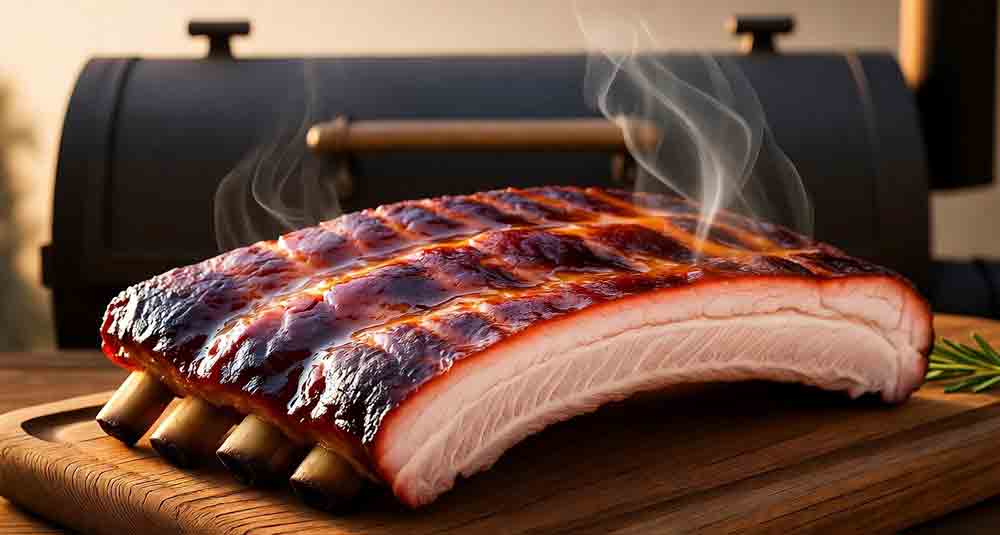
Hey there, friend. If you’re chasing the best bbq that turns heads and warms hearts, pull up a chair. I’m Earl “The Rib Whisperer” Tatum, straight out of Kansas City, where the smoke’s been kissin’ ribs since before I could reach the pit. This ain’t just a guide—it’s a story, like the ones I’d spin over a firehouse feast after a long shift. We’ll cover the essentials, from fire to finish, so whether you’re a greenhorn or a seasoned hand, you’ll walk away with the know-how for the best bbq that feels like family. And in a world full of flashy gadgets and quick fixes, remember: the best bbq starts with respect for the process—low heat, good wood, and time to let flavors build. Whether you’re firing up for a backyard gathering or hunting the top bbq spots near you, these tips will help you rank high in taste and tradition.
Why BBQ Ain’t Just Cookin’—It’s a Tradition Worth Mastering
Back in my day, the best bbq wasn’t about gadgets or trends. It was applewood wisps curlin’ up from Grandpa’s drum smoker, ribs slow-dancin’ till the bones wiggled just right. Today, with all the shiny grills and apps, it’s easy to forget: BBQ’s about patience, respect for the meat, and sharin’ plates that bring folks together. But to truly elevate your game, you need to understand the layers. Start with the basics: Choose cuts that match your crowd—spare ribs for big groups, baby backs for quicker cooks—and always factor in the weather. A humid summer day means more spritzing to keep that bark from softening, while crisp fall air lets smoke cling deeper.
Understanding Meat Cuts: The Foundation of the Best BBQ
To nail the best bbq, know your proteins inside out. Pork ribs come in spares (meatier, cheaper, 4-5 hours at 225°F) or baby backs (leaner, premium, 3-4 hours). Brisket? That’s the king—12-18 pounds of flat and point, needing 10-14 hours to break down collagen into gelatin for that pull-apart magic. Don’t overlook chicken: Thighs hold smoke better than breasts, hitting 165°F internal without drying. Pro tip: Always pat dry before rubbing; excess moisture dilutes flavors and slows bark formation. By focusing on these details, you’re not just cooking—you’re optimizing.
- Ribs: Trim membrane for even cook; aim for 195-203°F where bones slip free.
- Brisket: Trim fat to 1/4 inch; wrap at the “stall” (160°F) to push through.
- Chicken: Spatchcock for uniform heat; indirect grill at 350°F for crispy skin.
Gear Up: The Essentials for Killer BBQ
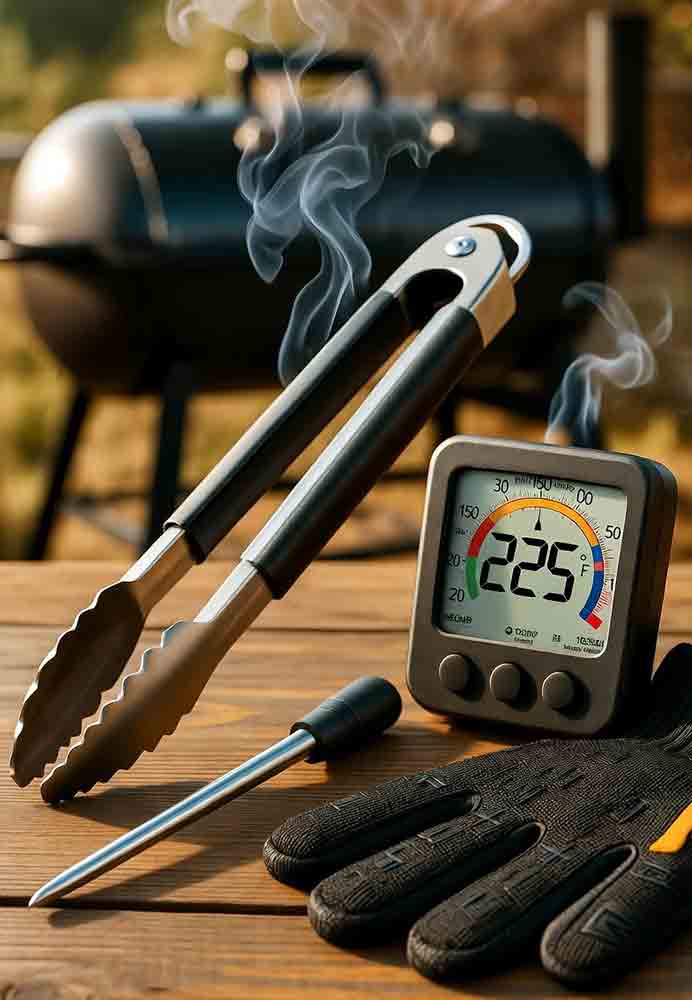
First things first: stock your pit like you’d pack for a road trip. A good offset smoker or kettle grill is your ride—somethin’ sturdy that holds steady at 225°F. Grab long-handled tongs for flippin’ without burnin’ your knuckles, heat-resistant gloves that let you dance with the flames, and a digital meat thermometer. I swear by the ThermoWorks model; it probes deep without guesswork. Don’t sleep on a chimney starter for even coals or a spray bottle for keepin’ things moist. For sides, a cast-iron skillet handles beans or cornbread like a champ. And consider how the right gear not only improves your cooks but also inspires experimentation.
- Beginner Pick: Weber Kettle Grill—versatile for direct sear or indirect smoke, perfect for those starting with “grill bbq” basics.
- Pro Upgrade: Offset smoker for that true low-and-slow best bbq, ideal for brisket marathons.
- Must-Have: Instant-read thermometer to hit that perfect pull-apart temp, avoiding the common pitfall of overcooking.
- Bonus for Sides: Lodge Cast-Iron Dutch Oven—seals in moisture for baked beans that complement any “southern bbq” spread.
Investing in these isn’t just about equipment; it’s about building confidence. Many folks search “bbq for beginners” and get overwhelmed— try a simple rib cook while slowly introducing advanced techniques, like temperature zoning.
Master the Heat: Low-and-Slow for the Best BBQ Bark
Heat’s the heartbeat of the best bbq. We’re talkin’ indirect, low temps—225-250°F where collagen melts into silk without dryin’ out. Light your coals or wood (apple for ribs, hickory for beef) and set up zones: hot side for searin’, cool for slow cookin’. Probe your pit early; aim steady, adjust vents like breathin’ slow after a scare. For my famous KC ribs, it’s the 3-2-1 method: 3 hours unwrapped for bark, 2 wrapped in foil with apple juice for tenderness, 1 saucin’ up golden. But let’s dive deeper: Understanding airflow is key to avoiding “hot spots” that char one end while the other stalls. Use a fan on windy days to mimic that consistent draft, and always monitor with a pit probe—fluctuations over 25°F can ruin a brisket. This technique not only yields pro-level results but positions your smoked bbq for reliable results.
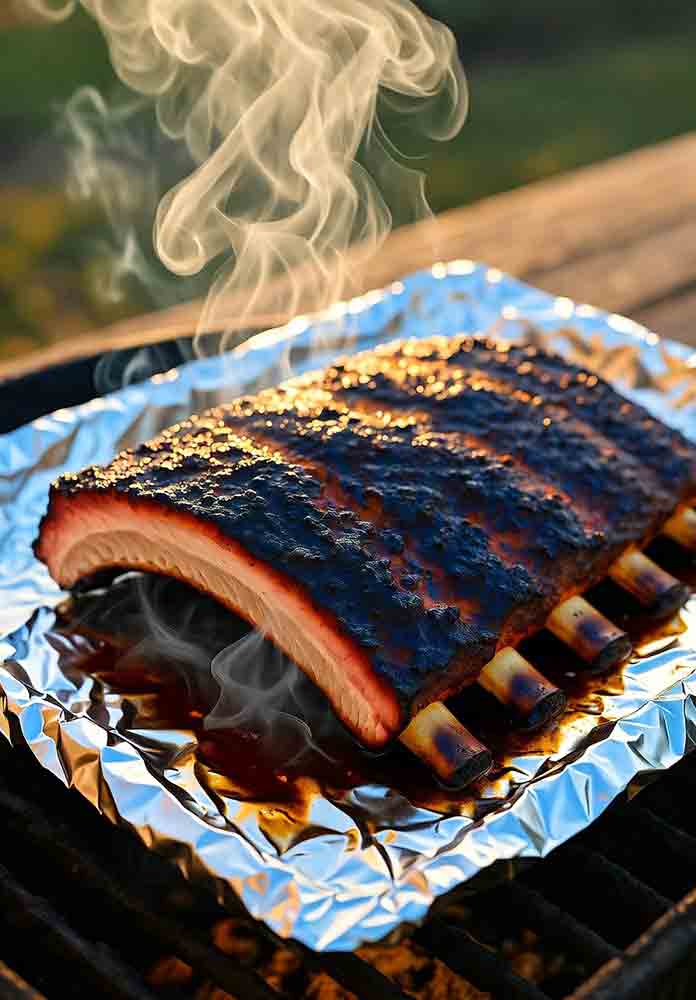
Pro tip: Don’t peek too much—every lid lift steals 10 minutes of heat. And sauce? Save it for the end; early slather turns your best bbq to burnt candy. Rest your meat 30-60 minutes tented in foil; juices settle like old friends catchin’ up. For brisket lovers, extend this to a faux cambro (cooler rest) for 2-4 hours—it’s the secret to that “pitmaster bbq” juiciness that keeps friends coming back for more, boosting your legendary status.
Troubleshooting Heat: Common Pitfalls and Fixes
Even the best bbq pros hit snags. Bark too soft? Crank to 275°F initial for crust, then drop low. No smoke ring? Use post oak or hickory for clean combustion—nitric oxide needs oxygen. Over-smoked? Switch to fruitwoods like cherry for subtle notes without bitterness. These fixes aren’t guesswork; they’re science-backed ways to refine your technique, for your own bbq troubleshooting. By addressing them head-on, you won’t have to worry about questions like “why my bbq bark won’t set.”
Ribs Recipe: Earl’s Whispered KC Spare Ribs
Let’s get hands-on. For 2 racks (feeds 6-8), this recipe embodies the best bbq balance of sweet, tangy, and smoky—perfect for those “top bbq ribs” that make people willing to drive for hours to experience.
- Mix rub: 1/4 cup brown sugar, 2 tbsp paprika, 1 tbsp each salt, pepper, garlic powder, onion powder. This base draws from classic KC style, with sugar for caramelization and paprika for color—apply generously after a mustard binder for adhesion.
- Pat ribs dry, slather yellow mustard binder, coat heavy with rub. Let sit overnight in fridge—the rest allows salt to penetrate, tenderizing without brining.
- Fire up to 225°F with applewood chunks. Smoke 3 hours, spritz with apple cider vinegar hourly. This keeps the surface moist while building that pellicle for smoke adhesion.
- Wrap in foil with 1/4 cup juice per rack; back on for 2 hours. The “Texas crutch” steams gently, breaking down connective tissue for fall-off-the-bone texture.
- Unwrap, sauce lightly (molasses-tangy KC style), 1 more hour till bark sets. Use a thick, tomato-based sauce—thin ones burn at this stage.
- Rest, slice between bones. Serve with firehouse beans: bacon, onion, canned beans baked low at 300°F for 1 hour. This side adds creamy contrast, rounding out a plate that screams “best bbq sides.”
This’ll give you the best bbq ribs that pull clean and taste like home. Scale for brisket or chicken—same heart. For variations, try a Memphis dry rub (no sauce, extra paprika) to appeal to regional bbq fans.
Scaling Recipes: From Backyard to Block Party
One rack for date night? Halve it. Feeding 20? Double smokers and stagger cooks. The key is math: Add 1 hour per 5 lbs, but always probe—don’t trust time alone. This scalability makes your best bbq versatile for bbq for 10, just halve that one. Simple.
Brisket Breakdown: From Rub to Rest for the Top BBQ Status
No best bbq guide skips brisket—it’s the endurance test. Select a full packer (12-15 lbs) with good marbling; trim to 1/4-inch fat cap. Rub heavy with an all-purpose rub– salt, pepper, garlic, rest 12-24 hours. Smoke at 225°F over post oak for that Texas ring, spritz hourly after bark sets (3-4 hours). Stall hits at 150-170°F—wrap in butcher paper with beef broth to steam through to 203°F internal, where it probes like butter. Rest 2 hours minimum; slice against the grain for tenderness. Troubleshooting: Dry flat? Inject broth pre-rub. This method not only delivers “brisket bbq” perfection but educates on science (Maillard for crust, myoglobin for color), positioning you as an expert for “best brisket rub” pit master.
- Wood Choice: Post oak for neutral smoke; mix pecan for nutty depth.
- Common Error: Slicing with grain—always check flat vs. point angles.
- Pro Move: Faux cambro rest preserves juices, elevating from good to “top bbq brisket.”
Sides and Sauces: Rounding Out the Best BBQ Plate
Best bbq shines with balance—meats steal show, but sides steal hearts. Start with coleslaw: Shred cabbage, carrots; dress with mayo, vinegar, sugar (1:1:1/4 ratio) for creamy tang—chills the smoke. Baked beans? Sauté bacon/onion, add canned navy beans, molasses, mustard; simmer 1 hour at 300°F. For sauces, KC thick (tomato, molasses, vinegar—simmer 30 min) or Carolina thin (vinegar, pepper flakes—mix cold). These aren’t afterthoughts; they’re gold for “bbq sides”.
- Coleslaw Base: Rest 1 hour for flavors to meld—avoids watery crunch.
- Beans Simmer: Lid off last 15 min for sauce reduction.
- Sauce Storage: Fridge 2 weeks; freeze portions for “bbq to go” prep.
Safety First: Keep Your BBQ Gathering Smoke-Free (in a Good Way)

I’ve seen too many close calls in 30 years fightin’ fires. Keep an extinguisher handy, never leave the pit unattended, and clear dry grass. Cook away from overhangs, and if wind kicks up, douse coals proper. For kids and pets, set boundaries—BBQ’s joy, not hazard. Beyond basics, consider cross-contamination: Separate boards for raw/safe meats, and use a food thermometer (165°F poultry, 145°F beef) to dodge foodborne woes. Educating on “safe bbq tips” is important to me.
- Wind Fix: Use a grill windbreak or move indoors to oven-finish.
- Kid Zone: 3-foot rule from heat; fun tasks like sauce stirring.
- Coals Cool: Water + ash bury—takes 48 hours full extinguish.
Allergen Awareness: Inclusive Best BBQ
The best bbq means all are welcome, swap nuts in rubs (use seeds), gluten-free sauces, and label dishes. This small step broadens appeal, tying into “bbq for everyone” and keeps everyone safe.
From Backyard to Block Party: Building Community with the Best BBQ
The real best bbq? It’s the laughter ’round the table. Host a cookout: invite neighbors, play some gospel, let the kids chase fireflies. I’ve fed stations full and families fractured—food mends. Try a pulled pork twist next: shoulder rubbed simple, smoked 10 hours to 205°F internal. Scale with multiples: Two shoulders for 20, staggered starts. To amplify community, end with a “potluck twist”—guests bring sides, fostering sharing that creates new “bbq lovers”.

Link up with our Brisket Dry Rub Guide for beefy deep dives or Best BBQ Rubs for flavor amps. What’s your go-to best bbq story? Drop it below—your tales help us all rank up in the “bbq community”.
Hosting Hacks: Scale for Success
Prep timeline: Rub day-before, smoke early. Buffer: Extra 20% meat for hangries. Have any “ultimate bbq party ideas”, please share them in the comments,
FAQs: Quick Hits for Your Best BBQ
Q: What’s the ideal temp for best bbq ribs? A: 225°F low-and-slow; probe to 195-203°F internal for that wiggle test.
Q: Beginner mistake to avoid? A: Saucin’ too soon—let bark form first, or you’ll get chew instead of crisp.
Q: Wood for best bbq flavor? A: Apple for sweet pork, hickory for bold beef—mix for balance.
Q: How to adapt for brisket in this guide? A: Use the rib rub base, scale time to 1 hour per lb, wrap at stall—Check out our brisket recipes for details.
Q: Sides pairing for top bbq? A: Coleslaw cuts richness; beans add heartiness—recipes above and you can search our site.
That’s the whisper, folks. Fire it up, share the plate, and make memories. Until next smoke—Earl out. And if you’re loving these tips, explore our full lineup for “best bbq rubs” and “southern bbq” to keep the smoke rolling all season.
Check us out on X and let us know what you’re cookin’ up!
By Earl “The Rib Whisperer” Tatum, Kansas City rib sage and retired firefighter. Photos by Popular BBQ team.
Reader Favorites
- Smoke on a Gas Grill: BBQ Made Simple
- Trimming Beef Brisket: Learn What the Pros Know Now
- Beef Cuts: Master BBQ Perfection with These Essential Tips Now
- BBQ Wings Beer Pairings Guide | Ultimate Matches
- Brine vs Marinade: When to Use Each for Perfect BBQ
- Grilled Buffalo Wings for Super Bowl Sunday (Crispy & Smoky)
Our pitmaster temperature charts
Three quick-reference tools every cook bookmarks — target temps, pull temps, and how long leftovers keep.
| Cut | Pull | Time |
|---|---|---|
| Brisket | 203°F | 12–16h |
| Spare ribs | 195–203°F | ~6h |
| Pork butt | 203°F | 12–14h |
Target temps & times for 17 cuts, sortable by meat, weight and doneness.
View full chart →| Doneness | Target |
|---|---|
| Rare | 125–130°F |
| Medium-rare | 130–135°F |
| Well-done | 160°F+ |
Rare to well-done, burger safety (160°F) and resting times.
View full chart →| Food | Fridge | Freezer |
|---|---|---|
| Brisket, ribs | 3–4 days | 2–3 mo |
| Smoked sausage | 1 week | 1–2 mo |
| Potato salad | 3–4 days | no freeze |
How long smoked meats & sides keep — fridge and freezer, USDA-based.
View full chart →