-
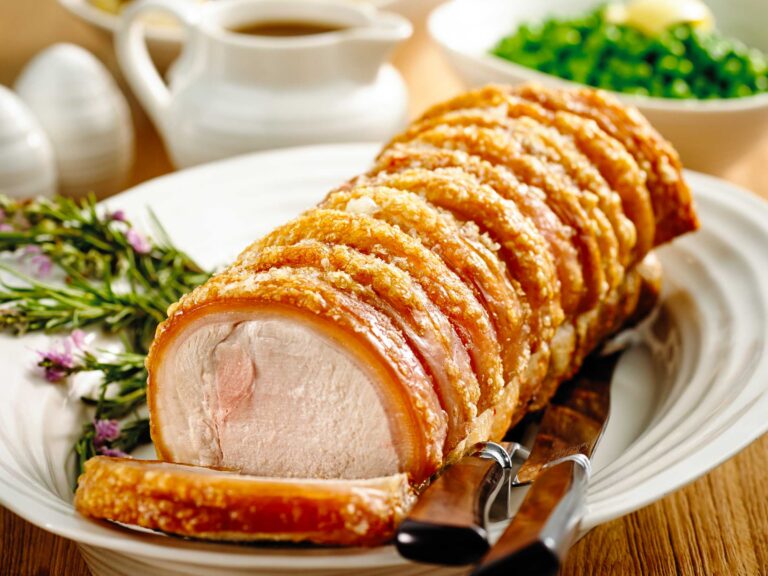
Pork loin and pork tenderloin both cook to 145°F with a three-minute rest. What differs is the oven: 350°F for a loin, 425–450°F for a tenderloin. Every temperature here is cited to USDA, FSIS, the CFR or a land-grant Extension service, with dates.
-
Where to put the probe on every cut, the USDA safe-temperature chart, and the altitude-corrected boiling-point table FSIS tells you to go find somewhere else. In Denver, calibrating to 212F builds in a permanent 9.6-degree undercook.
-
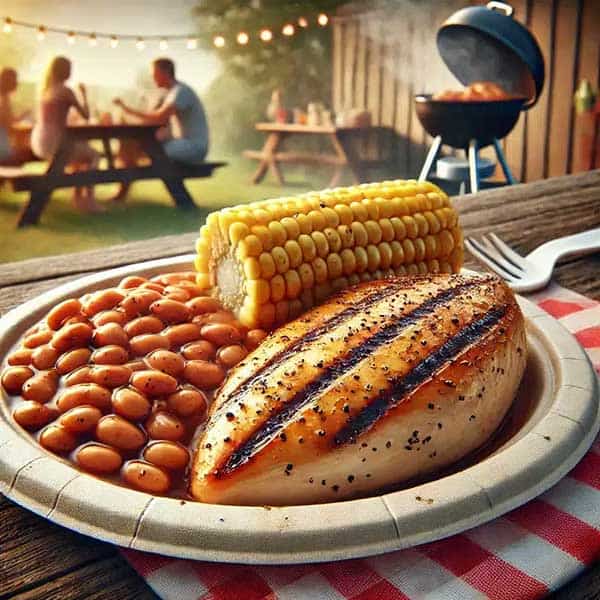
Plan a stress-free 4th of July cookout: menu ideas, how much food to buy per person, a 3-day make-ahead timeline, and summer food-safety rules.
-
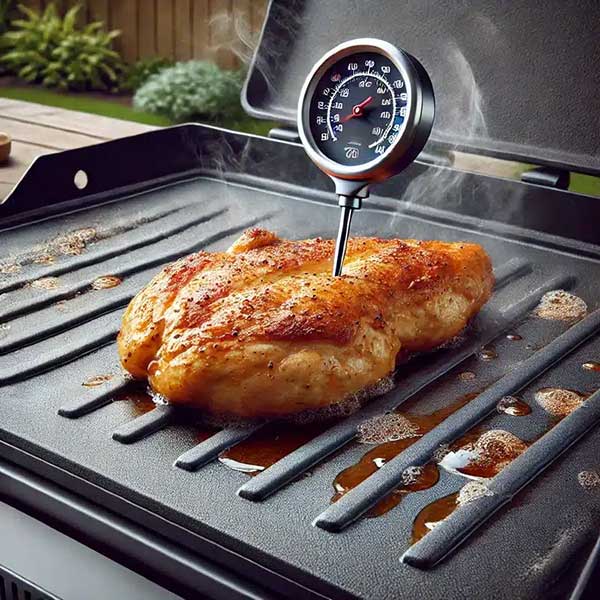
Chicken on a flattop cooks more evenly than on grates, because the whole surface is in contact with the heat rather than just the bars. That is the case for the flattop in one sentence: crisp outside, juicy inside, and no hot spots. Below are the temperatures and times, and the handful of things that…
-
🔥 Why Grilling Chicken at the Right Temperature Matters Grilling chicken is a fast, high-heat cooking method that gives you a hard sear and a little smoke. It is also the quickest way to end up with a burnt outside and a raw middle. Getting the temperature wrong gets you dry, overcooked meat or—worse—undercooked, unsafe…
-
Why Smoking Chicken is Worth the Effort Smoke chicken at 225 to 250°F and pull it at 165°F in the breast, 175°F in the thigh. Everything else is wood choice and skin management. smoking chicken takes longer than grilling and is more forgiving for it. A grill gives you very little margin on a breast;…
-
🔥 Why Chicken Cooking Temps Matter for Safety Chicken is safe at 165°F in the breast, but thighs and wings eat far better at 175 to 180°F, where the connective tissue has broken down. chicken cooking temps ain’t just some fancy numbers to toss around. They’re the key to that juicy, flavorful meat everyone wants,…
More from the Brand Avalanche Network