Smoking Times and Temperatures Chart: Every Cut in One Table (2026)
Most barbecue cuts smoke at 225 to 250F: roughly an hour to an hour and a half per pound for brisket, about an hour and a half for pork butt.
Quick answer: Most barbecue cuts smoke at 225–250°F. Plan on roughly 1–1.5 hours per pound for brisket, about 1.5 hours per pound for pork butt, 5–7 hours for a rack of spare ribs, and 25–30 minutes per pound for turkey. Always cook to internal temperature, not the clock: USDA minimums are 145°F for whole beef and pork cuts, 160°F for ground meat, and 165°F for all poultry — while pitmasters take collagen-heavy cuts like brisket all the way to about 203°F for tenderness.
Every smoking chart on the internet gives you two of the four numbers you actually need. One has smoker temps but no per-pound math. Another has times but never mentions the USDA. This one puts all of it in a single table: smoker temperature, estimated time (per pound where it applies), the USDA safe minimum, and the separate pitmaster pull temperature that makes tough cuts tender — plus a downloadable CSV so you can keep it on your phone, print it, or feed it to your own spreadsheet.
One thing USDA has not settled
USDA publishes more than one smoker temperature, and the pages disagree with each other. Smoking Meat and Poultry (updated August 13, 2024) says to keep the chamber between 225 and 300°F. Grilling Food Safely (updated June 19, 2022) says 250 to 300°F and adds the words “for safety.” A third page, on roasting, tells consumers never to cook meat below 325°F because of Danger Zone dwell time — which would rule out smoking altogether. We follow the most recently updated figure, 225°F, and we are telling you the others exist so you are not blindsided when you find one. Retrieved August 21, 2026.
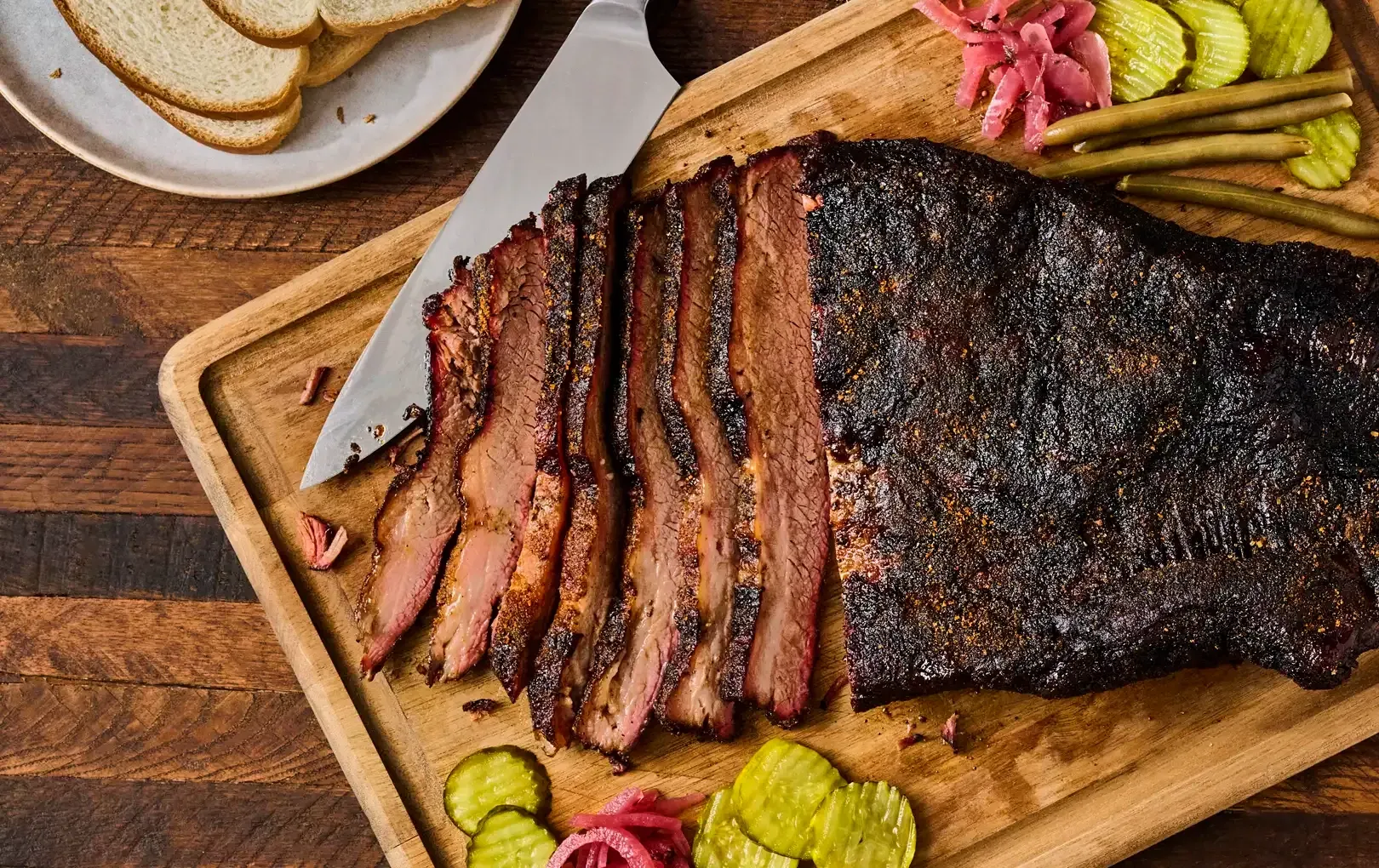
The master smoking times & temperatures chart
Smoker temps and times below are compiled and cross-checked from Smoking-Meat.com, Smoked BBQ Source, ThermoWorks, and Hey Grill Hey (all verified August 18, 2026). Safety temperatures come from USDA guidance via FoodSafety.gov. Time is always an estimate — temperature decides when meat is done.
| Cut | Smoker temp | Estimated time | USDA safe minimum | Pitmaster pull temp | Notes |
|---|---|---|---|---|---|
| Brisket (whole packer) | 225–250°F | 1–1.5 hr/lb · 12–20 hr typical | 145°F + 3 min rest | 200–205°F (203°F widely cited, not an academic or government number) | Wrap at ~150°F internal to push through the stall; rest long and wrapped |
| Chuck roast (pulled beef) | 225–250°F | 8–10 hr | 145°F + 3 min rest | 195–205°F | Shreds like pork butt at the top of the range |
| Beef short ribs | 225–250°F | 6–8 hr | 145°F + 3 min rest | 190–200°F | Probe-tender between the bones |
| Prime rib | 225–250°F | ~15 min/lb · 4–5 hr | 145°F + 3 min rest | 130–135°F | Medium-rare to medium; optional sear at the end |
| Tri-tip | 225–250°F | 2–3 hr | 145°F + 3 min rest | 130–140°F | Slice against the grain — it changes direction mid-roast |
| Meatloaf | 225–250°F | ~3 hr | 160°F (ground meat) | 160°F | Ground beef must hit 160°F — no exceptions |
| Pork butt / shoulder | 225–250°F | ~1.5 hr/lb · 12–14 hr typical | 145°F + 3 min rest | 195–205°F | Done when the bone wiggles free |
| Spare ribs | 225–250°F | 5–7 hr | 145°F + 3 min rest | 180–195°F | Bend test: bark cracks when lifted with tongs |
| Baby back ribs | 225–250°F | ~5 hr | 145°F + 3 min rest | 180–195°F | Faster than spares — start checking early |
| Pork loin | 225–250°F | ~4 hr | 145°F + 3 min rest | 145–150°F | Lean roast — do not treat it like pork butt |
| Pork tenderloin | 225–250°F | 2–3 hr | 145°F + 3 min rest | 145–150°F | Fastest pork cut on this chart |
| Whole chicken | 250–325°F | 2–4 hr | 165°F | 165°F breast · 170–175°F thigh | Hotter pit = crispier skin |
| Chicken thighs / legs | 250–275°F | 1.5–2 hr | 165°F | 170–175°F | Dark meat keeps improving past 165°F |
| Whole turkey | 225–275°F | 25–30 min/lb · 4–7 hr | 165°F | 165°F breast · 170–175°F thigh | Verify both breasts and both thighs at 165°F+ |
| Turkey breast | 240–250°F | ~4 hr | 165°F | 165°F | Brine first — it is lean |
| Lamb shoulder | 225–250°F | 5–5.5 hr | 145°F + 3 min rest | ~170°F | Higher pull for shreddable texture |
| Leg of lamb | 225–250°F | 4–8 hr | 145°F + 3 min rest | 140–150°F | Treat it like a beef roast, not a shoulder |
| Salmon fillet | 200–220°F | ~1 hr | 145°F | 135–145°F | USDA says 145°F; many pitmasters pull at 135°F — that is a personal-risk call |
Download: Get this chart as a CSV file — open it in Google Sheets or Excel, sort it, or print it for the smoker shelf.
How long does it take to smoke meat per pound?
Per-pound math only works for big, dense cuts — and even there it is a planning tool, not a finish line. The three per-pound numbers worth memorizing, per the sources below: brisket runs about 1.5 hours per pound at 225°F (Smoking-Meat.com pegs an 8–10 lb brisket at 13.5–15 hours in good conditions — and reports one 9-pounder that took 20 hours on a cold, windy night), pork butt runs about 1.5 hours per pound, and turkey runs about 30 minutes per pound at 225°F, or 25 at 250°F (Hey Grill Hey). Ribs, poultry pieces, and small roasts do not scale by weight in any useful way — use the time windows in the chart and start probing early.
What temperature should your smoker run?
The default answer for red meat and pork is 225–250°F — low enough to render fat and break down collagen before the outside dries out. Poultry is the exception: run 250–325°F, because chicken and turkey have no collagen problem to solve and rubbery skin is the price of smoking them too cool. Fish sits at the other extreme: salmon smokes gently at 200–220°F.
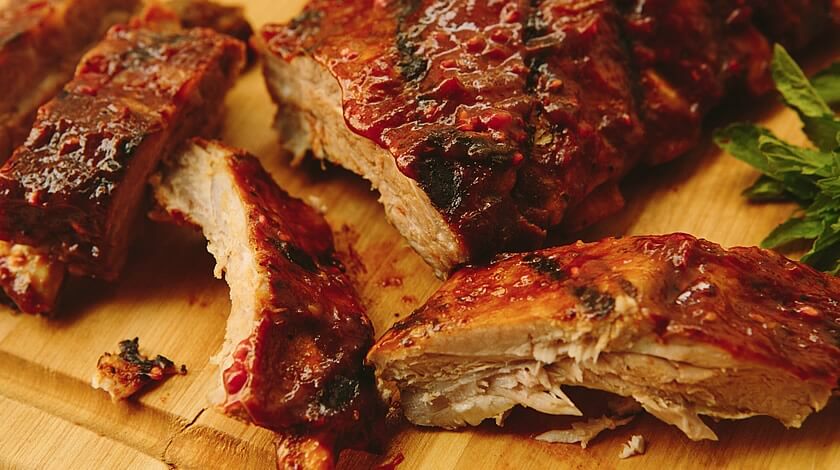
USDA safe temperature vs. pull temperature: what’s the difference?
The two temperature columns in our chart answer two different questions. The USDA safe minimum answers “when is this safe to eat?” — 145°F with a 3-minute rest for whole cuts of beef, pork, and lamb; 160°F for ground meat; 165°F for all poultry (per USDA guidance at FoodSafety.gov). The pull temperature answers “when does this taste right?” A brisket is legally safe at 145°F and practically inedible — the collagen that makes it tender has not begun converting to gelatin. That conversion is why pitmasters carry brisket, pork butt, and chuck roast to 195–205°F: ThermoWorks notes brisket finishes anywhere in the 200–210°F range and calls 203°F a safe bet, with the meat probe-tender and jiggly. Worth being clear about the number itself: it is a widely repeated industry convention, not a figure from an academic or government source (our thermometer guide digs into that). Going past the safety floor is fine. Stopping short of it is not.
How long to smoke a brisket?
Budget 1–1.5 hours per pound at 225–250°F, which lands a typical 12–14 lb packer in the 12–20 hour range. Two checkpoints matter more than the clock: wrap in butcher paper or foil when the internal temperature stalls around 150–165°F, and start probing for tenderness at 200°F. When the probe slides in like warm butter — usually right around 203°F — it is done, regardless of what the schedule said. Rest it wrapped, at least an hour, before slicing. See our steak & doneness temperature chart for where the rest of beef’s temperature ladder sits.
How long to smoke a pork butt?
Plan about 1.5 hours per pound at 225–250°F — roughly 12–14 hours for a standard 8–9 lb bone-in butt. It is done for pulling at 195–205°F, when the blade bone wiggles free with a twist. Pork butt is the most forgiving cut on this chart, which is why it is the right first long cook for a new smoker owner.
How long to smoke a turkey or chicken?
Turkey: 25–30 minutes per pound depending on pit temperature, with every part of the bird verified at 165°F or higher — check both breasts and both thighs. Whole chickens run 2–4 hours depending on size and pit temp; thighs and legs take 1.5–2 hours and actually get better carried to 170–175°F, where the connective tissue softens. Full walkthrough in our year-round smoked turkey guide and our crispy-skin smoked wings method.
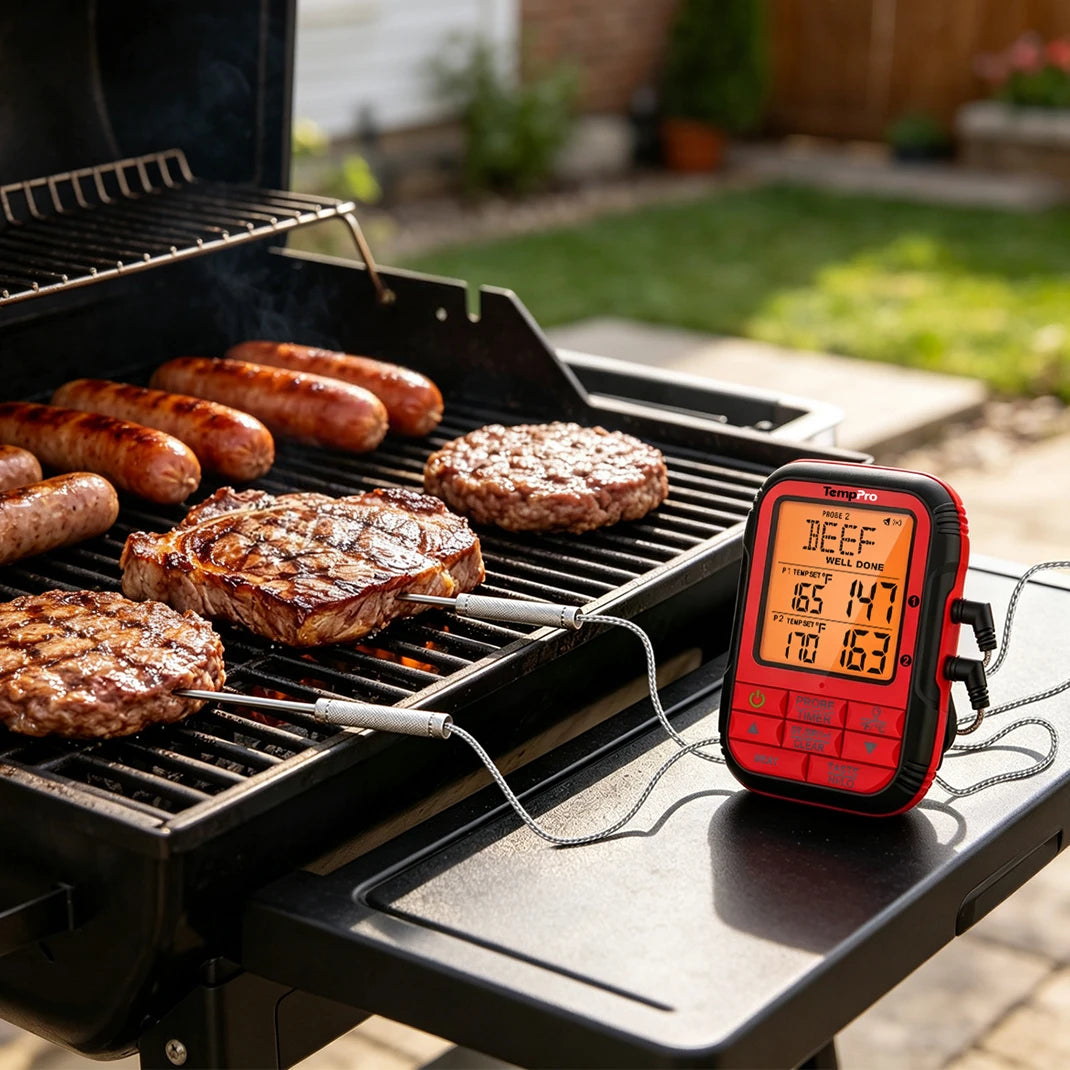
Why you should always cook to temperature, not time
Every serious source agrees on this, and the chart above is built on it: time predicts, temperature decides. Wind, cold weather, meat thickness, how often the lid opens, and plain cut-to-cut variation swing cook times by hours — that 9 lb brisket that took 20 hours instead of 14 is the canonical example. An affordable instant-read thermometer is the single highest-value tool in barbecue. Plan with the time column; pull with the temperature column. If dinner is at 6, work backward with our BBQ meat calculator — and if you end up with leftovers, here is how long smoked meat actually keeps.
Food-safety notes worth pinning
Ground meat has no rare setting: 160°F, always, because grinding distributes surface bacteria throughout. Poultry is 165°F everywhere — there is no whole-cut exception. And the 145°F whole-cut rule for beef, pork, and lamb includes a 3-minute rest before carving. Preserving your finished barbecue is its own discipline — our sister site Current Homesteading keeps the USDA/NCHFP-cited home canning times & pressures chart if you process stock or sauces.
How this guide was made: research-based, not guesswork — times and temperatures compiled and cross-checked across the published charts and guides linked below, safety numbers taken from USDA guidance, all verified August 18, 2026, and human-edited before publication. No invented numbers, no sponsored placements.
Sources
USDA safe minimum internal temperatures (FoodSafety.gov) · Smoking-Meat.com smoking times & temperatures chart · Smoked BBQ Source smoking times & temperatures · ThermoWorks: Thermal tips for smoked brisket · Smoking-Meat.com: How long to smoke a brisket · Hey Grill Hey: Smoked turkey
Reader Favorites
- Budget-Friendly BBQ Tips: Master Savings Now!
- Cleaning Your Gas Grill Cooking Grate: Make it Great Again
- Stainless Steel BBQ Grill Cleaning: Master Maintenance Now
- Lid Open or Closed: Master Your Grill Heat Now
- BBQ Beer Pairings: Best Tips to Match Now
- How to Grill Chicken Like a Backyard Boss: Tips & Tricks
BBQ Temperature Charts & Guides
Four quick-reference tools every cook bookmarks — target temps, pull temps, and how long leftovers keep, plus the full BBQ glossary.
| Cut | Pull | Time |
|---|---|---|
| Brisket | 203°F | 12–16h |
| Spare ribs | 195–203°F | ~6h |
| Pork butt | 203°F | 12–14h |
Target temps & times for 17 cuts, sortable by meat, weight and doneness.
View full chart →| Doneness | Target |
|---|---|
| Rare | 125–130°F |
| Medium-rare | 130–135°F |
| Well-done | 160°F+ |
Rare to well-done, burger safety (160°F) and resting times.
View full chart →| Food | Fridge | Freezer |
|---|---|---|
| Brisket, ribs | 3–4 days | 2–3 mo |
| Smoked sausage | 1 week | 1–2 mo |
| Potato salad | 3–4 days | no freeze |
How long smoked meats & sides keep — fridge and freezer, USDA-based.
View full chart →Every pit term decoded — cooking methods, gear, cuts, wood, and technique, A to Z.
Open the glossary →