Ultimate Guide to Brisket: Cuts, Recipes & Smoking Tips
Last updated: September 2, 2026 · Originally published November 17, 2025
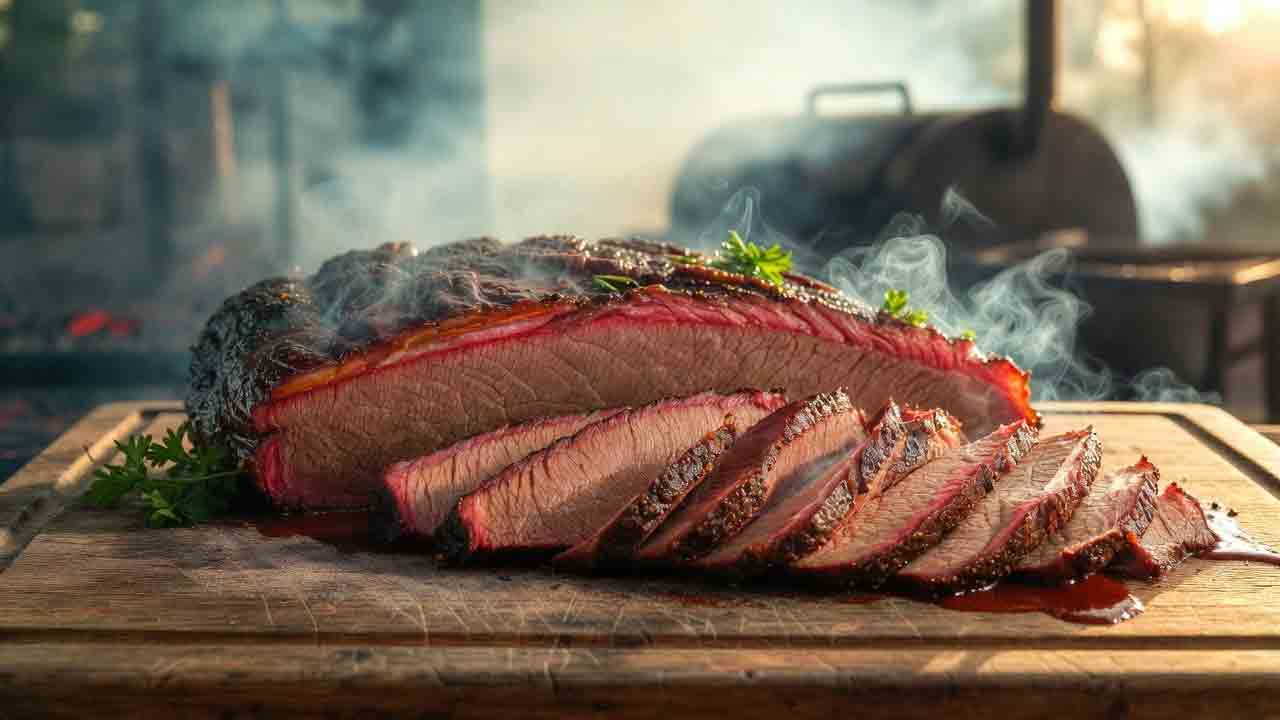
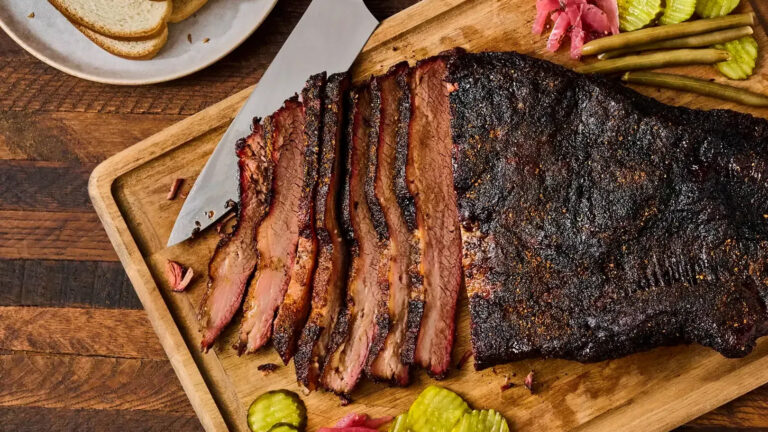
Freshly sliced Texas-style smoked brisket, showcasing the perfect bark and juicy interior—ideal for your next low-and-slow BBQ cookout.
Ultimate Brisket Guide: Cuts, Cooking Methods, and Recipes
Brisket is done when it probes tender between 195 and 205°F, not at a set time. Cut, wood and wrap all matter less than that one thing.
That is the part most people get wrong on their first packer. They cook to the clock, pull at a number they read somewhere, and end up with a flat that slices like a shoe. Below is the rest of it: what the point and the flat actually are and how to pick a good one, the four ways to cook it and what each one costs you, the stall and when to wrap, how long to rest, how to slice, and what to do with what is left. Brisket started as a cheap working cut and only became the centerpiece it is now because somebody worked out how to break the collagen down slowly. Read the section you need and skip the rest.
Understanding Brisket: Anatomy and Cuts
The brisket is a primal cut from the lower chest or pectoral muscles of the cow, an area that gets a serious workout supporting the animal’s massive weight—up to 60% of its body mass daily. This constant use results in dense, connective tissue and collagen, making raw brisket tough and chewy. However, with proper cooking, that collagen breaks down into gelatin, transforming the meat into something succulent and flavorful. A full “packer” brisket, weighing 12–20 pounds, is the whole muscle and includes two main sections:
- Point (Deckle): The thicker, fattier end with more marbling and intermuscular fat. It’s irregularly shaped and perfect for turning into addictive burnt ends—those caramelized, bite-sized nuggets—or for shredding in sandwiches and tacos. The point’s higher fat content helps it stay moist during long smokes.
- Flat (First Cut): The leaner, more uniform rectangular portion that’s easier to slice evenly for platters. It’s less forgiving if overcooked but rewards with a beautiful presentation when done right.
Other options include flat-only cuts (5–8 pounds) for smaller gatherings or point-only for specialty dishes. When shopping, inspect for a flexible fat cap (the protective layer on top) of ¼–½ inch—too thin and the meat dries out; too thick requires trimming. Good marbling (white flecks throughout) ensures juiciness, as fat renders and bastes the meat internally. Pro tip: Prime grade briskets have the most marbling, but Choice is more budget-friendly and still delivers excellent results.
How to Choose the Right Brisket
Selecting a brisket is like picking a canvas for your masterpiece—quality and preparation set the stage for success. Here’s how to make the best choice:
- Size: For smoking, opt for a full packer (12–18 pounds) to balance the point and flat’s cooking times. Flats (5–8 pounds) suit home ovens or smaller groups (4–6 people), while points work for experimental dishes. Rule of thumb: Plan ½–¾ pound per person pre-cook, accounting for 40–50% shrinkage from fat and moisture loss.
- Quality: Stick to USDA Choice or Prime for consistent marbling—Select is leaner and riskier for dryness. Grass-fed briskets offer a gamier flavor but may need extra fat additions. Avoid cryovac-packed briskets with “purge” (leaked juices) as it indicates poor handling.
- Shape & Fat Cap: A uniform, rectangular shape promotes even cooking; avoid overly tapered ends. The fat cap should be pliable and bright white, not yellowed (a sign of age). If buying whole, ask your butcher to trim excess silver skin (the thin membrane) for better seasoning penetration.
Where to buy? Local butchers or meat markets offer fresher cuts with custom trimming, while big-box stores provide affordability. In season (fall/winter for holidays), prices drop—expect $4–8 per pound for Choice. Always thaw frozen briskets slowly in the fridge to prevent bacterial growth.
Top Cooking Methods
Brisket’s toughness demands low-and-slow heat to melt collagen without squeezing out juices. Below is a comparison of popular methods, followed by detailed pros, cons, and setup tips.
| Method | Temperature | Time (per lb) | Tools | Benefits | Challenges |
|---|---|---|---|---|---|
| Smoker | 225–250°F | 1–1½ hours | Offset/pellet smoker, wood chunks, probe thermometer | Deep smoke flavor, authentic bark (crust), customizable wood profiles | Weather-dependent, fuel management, steep learning curve |
| Oven Roast | 250–325°F | 45–60 min | Cast-iron Dutch oven, roasting pan, heavy-duty foil | Controlled environment, easy cleanup, great for beginners | Lacks smoke, potential for steaming if over-wrapped |
| Slow Cooker | 190–200°F | 1–1½ hours | 6–8 qt crockpot, liner bags optional | Ultra-hands-off, infuses flavors evenly, ideal for shredded applications | Soft texture, no bark formation, limited browning |
| Braise | 300–325°F (covered) | 30–45 min | Dutch oven or braising pot, stock/broth | Moist and saucy, vegetable integration, fork-tender results | Less BBQ vibe, requires slicing post-cook |
| Sous-Vide + Finish | 135–155°F | 24–48 hours total | Sous-vide circulator, vacuum sealer, torch/sear pan | Edge-to-edge perfection, no overcooking risk, precise temp control | Equipment cost, long prep, needs final sear for crust |
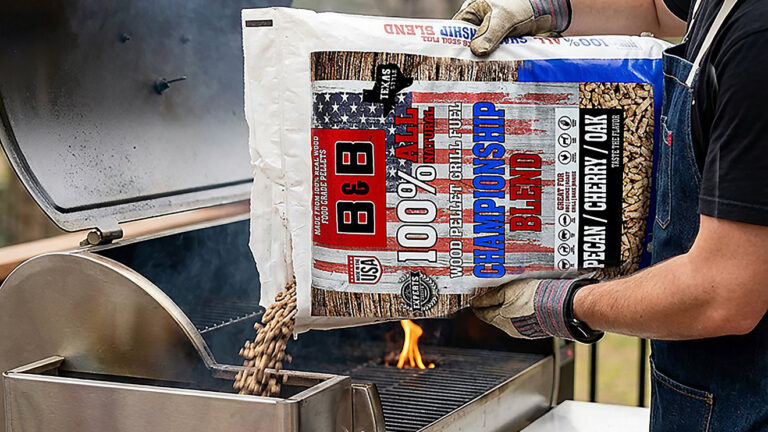
Smoker Setup: Use post-oak or hickory for Texas-style smoke; maintain thin blue smoke to avoid bitterness. Place brisket fat-side up for self-basting.
Oven Roast: Elevate on a rack to circulate air; add a water pan for humidity.
Slow Cooker: Layer onions and garlic beneath for a flavor base.
Braise: Deglaze the pan with wine or beer for depth.
Sous-Vide: Season pre-vacuum; finish with a quick smoke or grill for Maillard reaction.
Essential Cooking Tips
Master these fundamentals to elevate your brisket from good to legendary:
- Trimming: Use a sharp boning knife to leave a ¼–½ inch fat cap; remove hard fat nuggets and silver skin to prevent chewy spots. Aim for an even “boat” shape.
- Seasoning: A simple 1:1 kosher salt and coarse black pepper rub (Dalmatian style) is unbeatable—apply ½ tsp per pound, 12–24 hours ahead in the fridge (dry brine) for deeper flavor penetration. For extras, add garlic powder, onion powder, or paprika.
- The Stall: Around 150–170°F internal, evaporation cools the meat—power through by wrapping (Texas crutch) to retain heat and moisture.
- Resting: Tent loosely with foil for 30–120 minutes (or overnight in a faux Cambro: cooler with hot towels) to redistribute juices.
- Temperature Monitoring: Probe at the thickest point (avoid fat); target 195–205°F for probe-tender (slides like butter). Use a dual-probe thermometer for meat and pit temps.
- Wood and Fuel: Fruitwoods like apple add sweetness; mesquite for bold Southwestern flair. Avoid green wood to prevent creosote bitterness.
- Injection (Optional): For extra moisture, inject with beef broth or a mix of broth, Worcestershire, and pickle juice 4–6 hours pre-cook.
- Common Mistakes to Avoid: Don’t rush the cook—high heat toughens it. Over-trimming fat leads to dryness; under-seasoning mutes flavor. Always slice against the grain for tenderness.
Delicious Recipes
These recipes build on the basics with precise measurements, timings, and pro tips. Each serves as a standalone meal or canvas for creativity.
Classic Smoked Brisket (Texas Style)
Yield: 10–12 servings | Prep Time: 30 min + overnight seasoning | Cook Time: 10–16 hours | Total Time: 12–18 hours
A pillar of Central Texas BBQ, this delivers peppery bark and oak-kissed smoke. Pair with coleslaw and beans.
Ingredients:
- 1 whole packer brisket (12–15 lbs), trimmed
- ½ cup kosher salt
- ½ cup coarse black pepper
- Optional: ¼ cup beef rub (paprika, garlic powder, onion powder)
- Butcher paper or foil for wrapping
- Post-oak wood chunks
Instructions:
- Prep: Pat brisket dry. Mix salt and pepper; rub generously on all sides. Wrap in plastic and refrigerate 12–24 hours.
- Smoke Setup: Preheat smoker to 225–250°F with post-oak. Place brisket fat-side up on grates, insert probe.
- Initial Smoke: Smoke unwrapped 6–8 hours until bark sets and internal hits 165°F (spritz with water/apple cider vinegar every hour after 3 hours to keep moist).
- Wrap: Wrap tightly in butcher paper (retains bark better than foil). Return to smoker; continue until 195–203°F internal, about 4–6 more hours.
- Rest: Remove, vent paper slightly, rest 1–2 hours. Separate point and flat; slice flat against grain into ¼-inch pieces, cube point for burnt ends.
- Serve: With pickles, onions, and white bread. Drizzle reserved juices.
Tips: If bark softens, unwrap last 30 min. Store leftovers vacuum-sealed up to 4 days; reheat sous-vide at 140°F.
Oven-Baked Brisket
Yield: 6–8 servings | Prep Time: 20 min | Cook Time: 4–6 hours | Total Time: 5–7 hours
Indoor alternative with braising elements for juicy, sliceable results. Great for apartments.
Ingredients:
- 5–7 lb brisket flat, trimmed
- 2 tbsp olive oil
- 4 tsp kosher salt
- 2 tsp black pepper
- 1 large onion, sliced
- 4 garlic cloves, smashed
- 2 cups beef stock
- ¼ cup Worcestershire sauce
- 2 carrots, chopped (optional)
Instructions:
- Season: Rub brisket with salt, pepper, and oil. Let sit 1 hour at room temp.
- Brown: Preheat oven to 300°F. In Dutch oven over medium-high, sear brisket 4 min per side. Remove; sauté onions/garlic 5 min.
- Braise: Return brisket fat-side up. Add stock, Worcestershire, carrots. Cover tightly with lid/foil.
- Cook: Roast 4–5 hours until 195–200°F and fork-tender. Check liquid; add water if low.
- Rest & Serve: Rest 30 min tented. Slice against grain; strain juices for au jus. Serve with mashed potatoes.
Tips: For crispier edges, broil uncovered 5 min post-cook. Freezes well in slices with sauce.
Slow Cooker Brisket
Yield: 6–10 servings | Prep Time: 15 min | Cook Time: 8–10 hours | Total Time: 8.5–10.5 hours
Set-it-and-forget-it shredded brisket for tacos or chili. Infuse with bold flavors.
Ingredients:
- 4–6 lb brisket point or flat, cut into 3-inch chunks
- 2 tbsp vegetable oil
- 1 tbsp chili powder
- 1 tbsp cumin
- 2 tsp salt
- 1 onion, sliced
- 4 garlic cloves, minced
- 1 cup beef broth
- ½ cup BBQ sauce
- 2 chipotles in adobo, chopped (optional)
Instructions:
- Season & Sear: Rub meat with spices and salt. Heat oil in skillet; brown chunks 2–3 min per side (optional for flavor).
- Layer: Place onions/garlic in slow cooker. Add meat, top with broth, sauce, chipotles.
- Cook: Cover; low 8–10 hours until shreddable (probe at 205°F).
- Shred: Remove meat; shred with forks. Return to cooker to soak up sauce 10 min.
- Serve: On buns with slaw or in tacos with cilantro/lime.
Tips: For less spice, omit chipotles. Crisp shreds under broiler for texture.
Jewish-Style Braised Brisket
Yield: 8–12 servings | Prep Time: 25 min | Cook Time: 3–4 hours | Total Time: 4–5 hours
A holiday staple, tender and saucy with sweet-savory depth. Rosh Hashanah favorite.
Ingredients:
- 5–7 lb brisket flat
- 3 tbsp olive oil
- 2 tsp salt
- 1 tsp pepper
- 3 onions, sliced
- 6 carrots, peeled/chopped
- 4 celery stalks, chopped
- 6 garlic cloves, sliced
- 1 (28-oz) can crushed tomatoes
- 2 cups red wine or beef stock
- ¼ cup brown sugar
- 2 tbsp tomato paste
Instructions:
- Prep: Season brisket. Heat oil in Dutch oven; sear 5 min per side over medium-high.
- Veggies: Remove meat; sauté onions/celery 8 min until golden. Add garlic, tomato paste; cook 2 min.
- Braise: Add tomatoes, wine, sugar, carrots. Nestle brisket in; bring to simmer. Cover; oven at 325°F 3–4 hours until tender.
- Rest: Cool in pot 30 min. Slice against grain; return to sauce to reheat.
- Serve: With kugel or latkes, garnished with parsley.
Tips: Make ahead—flavors deepen overnight. Skim fat after chilling.
Korean-Inspired Brisket
Yield: 6–10 servings | Prep Time: 20 min + 4-hour marinate | Cook Time: 6–12 hours | Total Time: 10–16 hours
Fusion twist with umami heat; smoke or oven for galbi-like tenderness.
Ingredients:
- 5 lb brisket flat, thinly sliced against grain (or whole for smoking)
- ½ cup gochujang
- ¼ cup soy sauce
- ¼ cup brown sugar
- ¼ cup sesame oil
- 6 garlic cloves, grated
- 2-inch ginger, grated
- 3 green onions, chopped
- Sesame seeds and lime for garnish
Instructions:
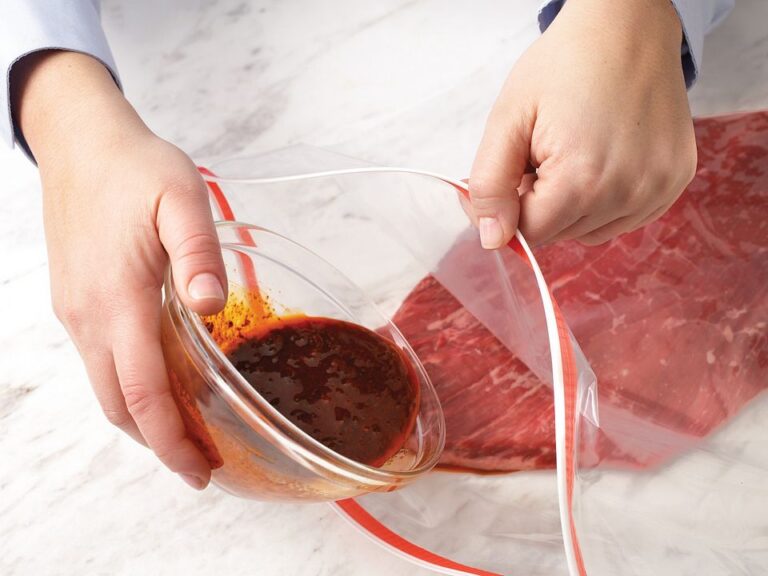
- Marinate: Whisk gochujang, soy, sugar, oil, garlic, ginger. Coat brisket; marinate fridge 4–8 hours.
- Cook (Smoke/Oven): For smoke: 250°F 6–8 hours to 195°F, wrapped after 160°F. For oven: 275°F covered 4–5 hours.
- Finish: Uncover; broil 3–5 min for char. If sliced pre-cook, grill 2 min per side.
- Rest & Serve: 20 min rest. Slice if whole; top with onions, seeds, lime drizzle. With rice and kimchi.
Tips: Adjust gochujang for heat. Thin slices cook faster for bulgogi-style.
Troubleshooting Common Brisket Issues
Even pros hit snags—here’s how to fix them:
- Dry Meat: Under-trimmed fat or rushed cook; next time, inject and wrap earlier.
- Tough Texture: Not probed tender—extend cook time; always against-grain slice.
- Mushy Bark: Over-wrapped in foil; switch to paper and vent steam.
- Bittersweet Smoke: Dirty fire—clean grates, use dry wood.
Global Brisket Variations
- Jewish Braised Brisket: Slow-simmered with root veggies and sweet-tart sauce for holidays; echoes Ashkenazi traditions.
- Texas Smoked Brisket: Oak-smoked minimalism from Lockhart pits; “simple is supreme.”
- Asian-Inspired Brisket: Gochujang marinades or pho broth soaks for Vietnamese twists.
- Mexican Barbacoa: Pit-roasted with agave leaves, wrapped in maguey for earthy notes; shred for tacos al pastor.
- Irish Corned Brisket: Brined with spices, boiled with cabbage—St. Paddy’s essential.
Pairing Suggestions and Sides
Complement brisket’s richness with:
- Sides: Vinegar-based coleslaw cuts fat; potato salad or baked beans add creaminess. Grilled corn or elote for char.
- Sauces: Tangy mustard (Carolina), sweet Kansas City, or none—let the meat shine.
- Drinks: Bold reds like Zinfandel or IPAs; iced tea for balance.
Frequently Asked Questions
What internal temperature should I target?
Minimum 145°F (USDA safety), but for pull-apart tenderness, 195–205°F. Probe in the thickest part, not touching bone.
How long does it take to cook?
Depends on method and size: Smoking ~1¼–1½ hrs per pound, oven 4–8 hrs, slow cooker 8–10 hrs. Factor in rests.
Should I wrap during cooking?
Yes, at the stall (~160°F)—butcher paper for bark retention, foil for faster finish but softer crust.
How can I reheat without drying?
Gently in 250°F oven with stock-sprayed foil, or sous-vide at 140°F for 1 hour. Microwave as last resort, covered with damp paper towel.
Can I cook brisket from frozen?
Yes, but add 50% time; season post-thaw for better adhesion. Not ideal for smoking.
What’s the best wood for smoking?
Post-oak for neutral smoke; hickory for bacon notes; pecan for nutty sweetness. Mix for complexity.
Related Reading
- Smoked Chicken Guide
- Pulled Pork Tips & Tricks
- Perfect Ribs: Step-by-Step
- Homemade BBQ Sauce Recipes
External Resources
- USDA Safe Minimum Internal Temperature Chart
- Serious Eats: How to Smoke Brisket
- AmazingRibs.com: Science of Brisket
Reader Favorites
- Budget-Friendly BBQ Tips: Master Savings Now!
- Easy BBQ Foods: Grill Like a Pro with These 10 Recipes
- Cleaning Your Gas Grill Cooking Grate: Make it Great Again
- Stainless Steel BBQ Grill Cleaning: Master Maintenance Now
- Best Beef Breeds: Pick The Best For Smoking Now
- Lid Open or Closed: Master Your Grill Heat Now
BBQ Temperature Charts & Guides
Four quick-reference tools every cook bookmarks — target temps, pull temps, and how long leftovers keep, plus the full BBQ glossary.
| Cut | Pull | Time |
|---|---|---|
| Brisket | 203°F | 12–16h |
| Spare ribs | 195–203°F | ~6h |
| Pork butt | 203°F | 12–14h |
Target temps & times for 17 cuts, sortable by meat, weight and doneness.
View full chart →| Doneness | Target |
|---|---|
| Rare | 125–130°F |
| Medium-rare | 130–135°F |
| Well-done | 160°F+ |
Rare to well-done, burger safety (160°F) and resting times.
View full chart →| Food | Fridge | Freezer |
|---|---|---|
| Brisket, ribs | 3–4 days | 2–3 mo |
| Smoked sausage | 1 week | 1–2 mo |
| Potato salad | 3–4 days | no freeze |
How long smoked meats & sides keep — fridge and freezer, USDA-based.
View full chart →Every pit term decoded — cooking methods, gear, cuts, wood, and technique, A to Z.
Open the glossary →