Essential BBQ Glossary: Master Smoke & Fire
Last updated: September 15, 2026 · Originally published October 20, 2025
Essential BBQ Glossary: Mastering the Smoke, Fire, and Science of Backyard Barbecue
The Complete BBQ Glossary
Every pit term you need — methods, gear, cuts, wood, sauces, and the science behind a perfect cook.
The Essential BBQ Glossary: methods, equipment, cuts, wood, sauces and regional styles, with the temperatures that matter.
Introduction: Why Every Pitmaster Needs This BBQ Glossary in Their Back Pocket
This glossary covers the terms that change what you do at the pit: the stall, indirect heat, the smoke ring, bark, wrapping and wood choice.
Barbecue vocabulary is not decoration. Most of these words exist because somebody needed to describe a specific failure and its fix. Knowing what the stall is, for instance, is the difference between waiting it out and panicking at hour six and cranking the heat.
It is organized by section rather than alphabetically, so related terms sit together: methods, then equipment, ingredients, techniques, wood, cuts, competition slang, sauces and regional styles. Each entry carries the temperatures where they matter.
Use it as a reference. Nobody reads a glossary front to back, and there is no reason to start now.
One note on regional terms. Carolina, Memphis, Kansas City and Central Texas each use some of these words differently, and where that happens it is flagged. None of them is the correct one.
Essential Cooking Methods for Low-and-Slow Mastery
Essential Cooking Methods
Direct heat, indirect heat, smoking, and smoke-roasting — the core techniques behind every great cook, and when to reach for each.
The classic beginner mistake is a brisket cooked over direct heat: charred outside, raw in the middle. These methods are not interchangeable. Each one controls a different variable, and picking the wrong one is what causes most flare-ups and dry meat.
Unlocking BBQ perfection means grasping direct, indirect, and smoking. Each one’s got its physics, its pitfalls, and its payoff. Each is covered below with working temperatures logs. These methods rely on heat transfer—conduction for direct, convection for indirect—to achieve tender results.
Direct Heat – The Sear That Seals the Deal
Direct Heat is your brute force play—food parked right over the flames or coals, cranking 400-600°F for that instant Maillard magic. Think burgers hitting 155°F internal in 5-7 minutes, or a ribeye steak pulling 130°F medium-rare with those crosshatch marks that scream “pro.” This method excels for thin cuts where quick cooking preserves juiciness.
- Pros: Lightning-fast cooks and visual flair that’ll make your crew ooh and aah. It creates intense browning for flavor.
- Cons: It’s unforgiving. One extra flip too many, and you’re scraping carbon off your grates. Not suitable for thick or tough meats.
Hack: Zone your grill—hot side for sear, cooler edge for finish. Use lump charcoal for cleaner burns; briquettes hold steady but ash up quick. And flip every 90 seconds, tongs only—no forks piercing those juices. For safety, keep a lid handy to smother flares.
Pro tip from the pit: For veggies like zucchini spears, direct at 450°F for 3 minutes per side. Brush with olive oil spiked with garlic powder. Keeps ’em crisp, not mush. Research shows direct heat boosts flavor compounds through rapid Maillard.
Fire Management – Taming the Beast Below
Fire Management is the unsung hero—arranging coals or logs to sustain even burn without flare-ups, tweaking dampers for oxygen flow at 225-275°F. It’s less about watching flames dance and more about orchestrating a steady symphony of heat and smoke. Poor management leads to temperature swings that can ruin a cook.
- Pros: Predictable cooks, no hot spots scorching your bark. Consistent heat ensures even tenderness.
- Cons: Constant vigilance—drift a degree too high, and you’re chasing temps like a cat after a laser. Weather can affect it.
Offset ritual: Quarter-log feeds every 45 minutes, ash clear-out at hour 4 to keep draft clean. Start with a minion method for charcoal: lit coals on unlit for gradual burn. Monitor with dual probes—one for pit temp, one for meat.
Airflow is what you are actually controlling. Too little air and the fire smolders and turns the smoke acrid; too much and the temperature runs away from you. Wind is the usual culprit outdoors, so bank the coals deep and shield the pit if it is blowing.
Flare-Ups – The Fiery Foe
Flare-Ups erupt when fat drips hit hot coals or burners, igniting sudden flames that char your food at 600°F+ bursts. They’re common with fatty meats like burgers or chicken thighs and can impart bitter flavors if uncontrolled.
- Pros: Adds char flavor if controlled briefly for that smoky edge.
- Cons: Burns edges black—ruins even cooks and increases harmful PAHs (polycyclic aromatic hydrocarbons).
Hack: Trim excess fat pre-grill, use drip pan indirect. Steak save: Spritz water mid-flare or move to cooler zone. For prevention, pat meat dry and avoid overcrowding. If using gas, lower burners temporarily.
Flare-ups happen when rendered fat hits the coals and ignites. Leaner cuts flare less for obvious reasons. The fix is a two-zone setup so you always have somewhere cool to move food to, plus clean grates so there is less old fat to catch.
Indirect Heat – Patience, the Tenderizer
Shift to Indirect Heat means 225 to 275°F ambient, food off the heat source, lid down like a sauna. This is where collagen melts into gelatin at 160-180°F internal, turning tough pork shoulder into pull-apart poetry. It’s essential for larger cuts to avoid burning while cooking through.
Indirect heat behaves much like an oven, with smoke added. Chicken quarters at 250°F are a good way to get a feel for it.
- Pros: Even cook-through, no char-before-done drama. Great for infusing smoke.
- Cons: Time suck—plan for 1-1.5 hours per pound. Requires good lid seal.
Science angle: Convection currents circulate heat, minimizing gradients. Use a two-zone setup on gas: burners on one side, drip pan on the other for au jus bonus. Add wood chips for hybrid smoking.
Airflow rules an offset. A damper cracked wrong will take you to 300°F before you notice. A probe thermometer with multiple channels is the single most useful thing you can buy. Pull poultry at 165°F, then raise the heat at the end if the skin needs crisping.
Smoking – The Flavor Alchemy
Smoking is the soul of Southern BBQ—180-250°F for 4-18 hours, wood smoke weaving nitrogen oxides into myoglobin for that pink ring at 140-160°F internal. Hickory is the usual choice for brisket depth; cherry suits pork. It’s hot smoking, distinct from cold for curing.
- Pros: Layers of umami no oven mimics. Builds complex flavors over time.
- Cons: Weather whims—humidity spikes stall stalls. Requires clean wood to avoid creosote.
Chips burn fast and chunks burn slow; pellets burn steadiest of all, which is why pellet grills are forgiving for beginners. Never use softwoods like pine. The resin makes food taste of turpentine.
A typical long brisket runs on an oak base with a spritz every hour once the bark has set at around the three-hour mark. The rule that matters more than any of it: smoke should be thin and blue, wispy rather than billowing. White billowing smoke is incomplete combustion, and it deposits creosote. Smoke also adheres best while the surface is still below 140°F, which is why the first hours count most.
Smoke Roasting – Hybrid Heat Harmony
Smoke Roasting blends indirect roasting at 250-300°F with wood smoke infusion—think pork loin hitting 145°F in 3 hours, bark subtle, ring faint. It’s faster than pure smoking but still flavorful.
- Pros: Faster than pure smoke, flavor balanced for weeknight meals.
- Cons: Less depth than low-slow; may not tenderize tough cuts fully.
Hybrid: Cherry chunks on gas rig for spatchcock. Science: Convection roasts even, volatiles at 225°F bind myoglobin lightly. Ideal for lean meats like turkey.
Cold Smoking – Flavor Without the Cook
Cold smoking holds the chamber below 90°F so food takes on smoke without cooking — think cheese, bacon, and salmon over 6–12 hours. A smoke source sits away from the food; it’s a curing-adjacent flavoring technique, not a safe way to cook raw meat on its own.
Snake Method – The Charcoal Fuse for Long Cooks
Briquettes lined in a C-shaped snake around a kettle’s edge and lit at one end, so coals ignite one by one. The slow burn holds 225–250°F for 8+ hours unattended — the go-to for ribs and pork butt on a Weber.
Minion Method – Long, Steady Heat
A small batch of lit coals buried in a bed of unlit charcoal so the fire spreads gradually. Common in bullet and drum smokers, it holds 225–275°F for hours without constant tending.
Equipment and Tools for the Franklin Pit Boss
Equipment & Tools
Smokers, grills, probes, and the gear that turns guesswork into repeatable results.
Equipment matters less than people selling equipment would like, but it does matter. A cheap offset that leaks at every seam will fight you for years, and a well-sealed ceramic will hold temperature almost by itself. Below: grills, smokers, starters and rotisseries, with what each is for and when an upgrade is actually worth it.
Grills vs. Smokers – Versatile Workhorses or Smoke Specialists?
Grills multitask: Direct sear at 500°F, indirect roast at 300°F. My Weber kettle’s seen everything from flank steaks to beer-can birds. Smokers? Dedicated low-and-slow machines—offsets for stick-burners, electrics for set-it-forget-it. Choose based on your style: grills for versatility, smokers for flavor purity.
A well-built offset such as a Lang will hold 225°F on quarter-log feeds. Clean the grates after each use or food sticks.
- Grills: Flexible for weeknights; add wood chunks for hybrid smoke. Pros: Quick heat-up; Cons: Less smoke control.
- Smokers: Flavor purity; water pans buffer swings. Pros: Consistent temps; Cons: Slower startup.
Choice boils to style: Hybrid if you’re versatile, pure smoke if you’re chasing rings. For beginners, start with a grill to learn zones.
Pellet Smoker – Set-It-and-Forget-It Fuel
Pellet Smokers feed compressed sawdust auger-style into a firepot, electric ignition for steady 180-500°F runs—ideal for hands-off overnight vigils. They use flavored pellets like cherry or hickory for consistent smoke.
- Pros: Automated temp control, even smoke distribution. Great for beginners.
- Cons: Pellet quality varies; cheap ones bind and stall. Electricity-dependent.
Traeger: Cherry pellets for ribs, 225°F locked in for 10 hours. Science: Electric resistance hits 450°F fast, convection fan circulates volatiles evenly. Clean hopper regularly to prevent jams.
Drip Pan – Juice Guardian Below
Aluminum or cast iron tray under the grate catches renderings at indirect setups, preventing flare-ups and yielding au jus gold—fill with broth for steam boost at 250°F. It’s essential for clean cooks.
- Pros: Clean cooks, bonus gravy from drippings.
- Cons: Overflow spills—empty mid-long hauls to avoid mess.
Hack: Beer in pan for malty depth on pork. Science: Captures 80% fat drips, reduces PAHs from flare smoke. Line with foil for easy cleanup.
Water Pan – Humidity Hero
Cast iron or foil pan half-full of water in the cook chamber buffers temp swings, adding moisture at 225°F to combat dry-out in offsets or bullets. It creates a humid environment for juicier meat.
- Pros: Stabilizes 10°F variance, enhances bark gloss with steam.
- Cons: Refill chore—probe depth for auto-evap; can dilute smoke if overused.
Bullet smoker: Apple juice pan for fruit tang infusion. Science: Evaporative cooling holds humidity at 60%, slowing surface dehydration. Refill with hot water to maintain temps.
Ash Tool – Cleanup Crucial
Ash Tool is your grate scraper—post-cook rake clears buildup at 200°F cool-down, preventing bitter next burns. It’s a simple hook or rake for safe ash removal.
- Pros: Hygienic, even flow by preventing blockages.
- Cons: Dull blades snag—hone weekly for efficiency.
Ritual: Brass brush for porcelain grates. Science: Ash insulates, drops efficiency 15% if piled. Use after full cool-down for safety.
Basting Brush – Liquid Layer Master
Basting Brush spreads mop or oil at 250°F flips—silicone for heat-proof, natural bristles for flavor hold. Choose heat-resistant models rated to 500°F.
- Pros: Even coat, no shred on meat.
- Cons: Synthetic melts—go high-temp to avoid contamination.
Use a long handle on an offset unless you enjoy singed forearms. Choose an oil with a smoke point above your cooking temperature, or the baste itself turns bitter. Dishwasher-safe brushes are worth having, since a basting brush gets genuinely unpleasant otherwise.
Chimney Starter – Ditch the Fluid, Embrace the Flame
Fill it with around 50 briquettes, wad newspaper underneath, light it. Fifteen minutes later you have ashed-over coals with no petroleum taste. The chimney shape drafts air upward, which is what makes the burn even. There is no reason to use lighter fluid.
It is the most reliable way to start a fire that exists. Dropping a few already-lit coals on top speeds it up further.
Rotisserie – Even Cooking, No Hotspot Hassles
A motorised spit turns the food through the heat so the juices baste it on every rotation and the bark forms evenly. A five-pound pork loin at 325°F indirect is a fair benchmark. Best for whole birds and roasts.
- Pros: Physics of rotation evens exposure, self-bastes for moisture.
- Cons: Setup fiddle; balance that bird or it wobbles, causing uneven cook.
Travis tweak: Truss tight, probe at thickest for accuracy. Pulled a 4-hour spatchcock chicken last July—golden, 165°F even. Worth the counter space for special occasions; clean rods after use.
Kamado Grill – The Ceramic Heat Vault
A thick ceramic cooker (Big Green Egg, Kamado Joe) that holds heat and moisture like a brick oven. The insulation makes it fuel-efficient and rock-steady from 225°F low-and-slow up to 700°F+ searing and pizza.
Reverse Flow Smoker – Even Heat, No Hot Spots
An offset design that routes smoke under a steel baffle to the far end and back, evening out temperature across the chamber. The plate doubles as a heat sink for steady 250°F cooks.
Pink Butcher Paper – The Breathable Wrap
Unwaxed, food-grade kraft paper for wrapping brisket and ribs through the stall. Unlike foil, it keeps bark firm while still powering past the stall — the backbone of the Texas Crutch.
Key Ingredients – The Flavor Architects
Key Ingredients
Rubs, brines, marinades, and the flavor building blocks behind great bark and balance.
Ingredients are where most cooks over-reach. Rubs, binders, sauces and fuels, with working ratios. Every one of these can bury the meat if you use too much of it.
SPG Rub – The Simple Powerhouse Trio
Equal parts kosher salt, coarse black pepper and granulated garlic. The standard brisket base, applied heavily 12 hours ahead so the surface has time to form a tacky pellicle. Works on beef or pork.
- Pros: Clean canvas, amplifies meat’s natural pop without complexity.
- Cons: Bland solo—layer with chili for heat if needed.
Hack: 2:1:1 ratio for pork tenderness. Science: Salt brines osmotically, pepper volatiles bloom at 300°F Maillard. Use coarse grind for better adhesion.
Wet Rub – Paste Power
Wet Rub mixes spices with oil or mustard for slather stick—1/4 cup oil per 2T spices, fridge 1 hour pre-225°F smoke. It’s like a thick marinade for better adherence on slick meats.
- Pros: Deep adhesion, even bark formation; oil carries flavors deeper.
- Cons: Washes if over-spritz; can make skin less crisp on poultry.
Chicken: Dijon wet, 165°F crisp. Science: Emulsion penetrates 1/16-inch, caramelizes at 320°F. Try olive oil for neutral, or mustard for tang.
Example recipe: 2T paprika, 1T garlic, 1T brown sugar, 1/4 cup mustard—mix and apply. Let sit 30-60 minutes for flavors to meld before smoking.
Marinade vs. Dry Rub – Liquid Penetration or Surface Siege?
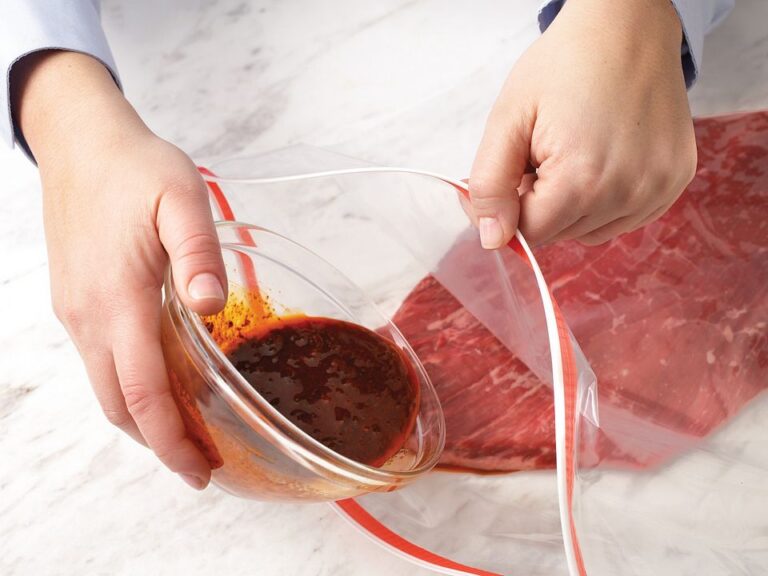
Marinades tenderize via acids—lemon juice denatures proteins at pH 3-4, oils carry spices. Pork chop soak: 1 cup apple cider vinegar, 1/2 cup oil, garlic, overnight fridge. Yields 1/8-inch penetration, ideal for lean cuts like chicken breast.
Dry rubs? Salt draws moisture for brine-effect, sugars caramelize at 320°F. Coffee-chili blend for brisket: 2T coarse salt, 1T black pepper, 1T chili powder, 1t espresso—apply 12 hours pre-smoke. Builds pellicle for smoke adhesion. Dry is better for bark, wet for tenderness.
Dynamic duo: Rub post-marinade for hybrid punch. Caution: Acids can ‘cook’ meat if left too long; limit to 24 hours. Science: Marinades reduce toughness, rubs enhance surface by Maillard.
Capsaicin – Heat’s Chemical Kick
Capsaicin is the chili compound firing Scoville heat—concentrated in ribs/seeds, amps rubs at 1t powder per pound for 5,000 SHU sting. It adds kick without calories.
- Pros: Endorphin rush, antimicrobial properties for longer shelf life.
- Cons: Overdose burns bark; sensitive eaters may find it overwhelming.
ABT: Jalapeño capsaicin mellowed by smoke. Science: Binds TRPV1 receptors, peaks flavor at 200°F volatilization. Use gloves when handling fresh chilis.
Wood Chips and Pellets – Smoke’s Signature
Chips for bursts—hickory chunks in foil pouch, 30 minutes at 250°F. Pellets for pellet grills: Cherry for subtle fruit notes on ribs, 5 pounds per 8-hour cook. Match meat: Mesquite bold for beef, avoid on poultry—bitter overload.
Science: Volatile compounds like guaiacol from lignin breakdown. Soak chips for gas grills, dry for electrics.
Fuel Types – Charcoal’s Soul vs. Gas’s Precision
Charcoal—lump for purity (Kingsford lump hits 800°F peak), briquettes for longevity. Yields that creosote edge at 225°F steady. Gas? Propane dials 50°F increments; no ash, but supplement with wood for soul.
Charcoal for most cooks, gas when the weather rules it out. Bank the coals to one side to create zones. Lump burns hotter but less predictably; briquettes burn evenly but contain binders.
Lump Charcoal – Pure Burn Power
Lump Charcoal is irregular chunks from charred hardwood—no binders, lights fast at 700°F, ashes light for clean pits.
- Pros: Natural flavor, high heat with minimal ash.
- Cons: Burns quick—refuel often; variable sizes.
Kettle: Oak lump for steaks. Science: 90% carbon, minimal volatiles vs. briquettes’ 20% ash. Store dry to prevent mold.
Beef Tallow – Rendered Brisket Gold
Rendered beef fat prized for wrapping and resting brisket to boost moisture and bark. Pitmasters save trimmings, render them low, and brush or pool the tallow in the butcher paper for a richer, glossier finish. Explore beef recipes →
Dry Brine – Salt Ahead of Time
Salting meat hours (or overnight) ahead so it dissolves, penetrates, and seasons from within while drying the surface for better browning. Simpler than a wet brine and the standard for crisp poultry skin and steaks.
Injection – Flavor and Moisture, Deep
A liquid marinade (broth, phosphate, butter) pumped into big cuts like pork shoulder and turkey breast with a needle, seasoning and moistening from the inside out — a competition staple.
Understanding Techniques – The Science of Sizzle and Rest
Understanding Techniques
The Maillard reaction, the stall, and resting — the science that turns tough cuts tender.
Techniques refine the raw; ignore ’em, and science sabotages. Let’s geek out on sear, rest, and that golden reaction. These build on chemistry like protein denaturing for tenderness.
Probe Thermometer – The Internal Truth Teller
Instant-read or leave-in probe pierces to core, reading 32-212°F in seconds—essential for hitting 203°F pull on butts without guesswork. Digital models offer alarms.
- Pros: Precision pulls, no overcook oops. Multi-probe for pit and meat.
- Cons: Cheap ones lag—invest in wired multi-probe like ThermoWorks.
ThermoWorks: Dual-zone for pit and meat, alarms at stall. Science: Thermistor accuracy ±1°F, maps gradients for even doneness. Calibrate in ice water regularly.
Caramelization – Sugar’s Sweet Sear
Caramelization browns sugars at 320°F+ for table, 230°F fruit—adds butterscotch depth to sauces or onions. It’s distinct from Maillard, focusing on sugars alone.
- Pros: Complex sweet notes that balance smoky flavors.
- Cons: Burns bitter over 350°F; watch heat closely.
Rub: Brown sugar caramel at bark set for gloss. Science: Oxidation breaks sucrose to hydroxymethylfurfural, volatiles amp umami 25%. Use in sauces for thickness, but stir to prevent scorching.
Example: For onions, slice and cook indirect at 300°F with butter for 30 minutes, stirring for even color. Enhances sides like baked beans.
Searing and Sizzle – Crust Creation 101
High-heat blitz—500°F+ for 2-3 minutes per side—triggers Maillard at 280-330°F, volatiles like pyrazines for nutty depth. Lock juices via contraction; pat dry pre-sear to avoid steaming.
Steak ritual: Reverse sear—indirect to 115°F, then direct finish for edge-to-edge pink. Use cast iron for even heat. Pat the surface dry first or you steam instead of sear. Use an oil with a high smoke point, such as avocado.
Resting Meat – Juice Redistribution Ritual
Post-cook, foil tent 10-20 minutes—carryover hits 5-10°F, fibers relax, juices flow even. Skip it on ribs and they come out dry. Target: 5 minutes per inch thickness. For brisket, rest in cooler for hours.
Science: Temperature equalization prevents juice loss when sliced; can retain more moisture. Tent loosely rather than wrapping tightly, or the trapped steam softens the bark you just spent hours building.
The Maillard Reaction – Flavor’s Chemical Symphony
Amino acids + sugars = melanoidins, browning at 310°F+. pH matters—alkaline boosts. Enhance with baking soda pinch in rubs. That’s your bark’s snap; occurs best on dry surfaces.
Science: Creates hundreds of flavor compounds; key to BBQ’s appeal. Control moisture for optimal reaction without burning.
Collagen Breakdown – Tough to Tender Transformation
Connective tissue in cuts like brisket hydrolyzes above 160°F into gelatin over 8+ hours at 225°F—key to shreddable texture without mush. Slow heat is essential.
- Pros: Yields juicy, gelatin-rich mouthfeel.
- Cons: Rush it, and it’s boot leather; patience required.
Reckon on about 1.5 hours per pound low and slow for a shoulder. Rushing it at high heat is the classic way to end up with something chewy, because collagen needs time as well as temperature; it starts converting in earnest past about 140°F and keeps going through the 180s. Wet cooking speeds it up but dilutes flavor.
Smoke Point – When Oil Turns to Smoke
The temperature at which a fat or oil breaks down and smokes, throwing off acrid flavors. It matters for searing and basting — high-smoke-point fats such as avocado oil and tallow hold up to grill heat, while butter and olive oil scorch fast.
Advanced Terms for the Serious Pitmaster
Advanced Terms
Smoke rings, bark, burnt ends, and the vocabulary of serious pit work.
The basics are covered. What follows is the vocabulary you only need once you are doing overnight cooks: the terms for things that go wrong at hour nine, and the fixes that have names.
We’ll break down 15 advanced entries, each with temps, wood recs, and why they matter. If you’re pulling all-nighters on a stick burner, this is your field manual. Let’s layer on the complexity, acknowledging that techniques like wrapping spark debates—some purists swear by unwrapped for bark, others embrace it for consistency.
Bark – The Crunchy Crown Jewel
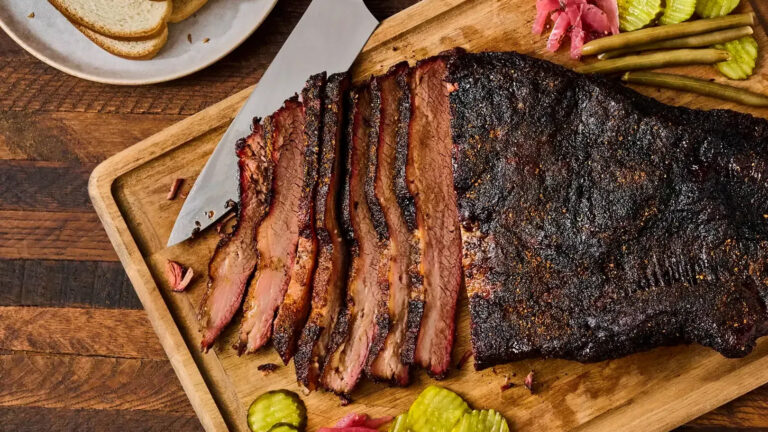
Bark is that mahogany crust, the armored exterior born from rub, smoke, and dehydration—think 1/8-inch thick armor plating your brisket at 225°F for the first 4-6 hours. It’s Maillard on steroids: proteins and sugars caramelizing above 300°F surface temp, locking in pellicle for smoke adhesion. Without bark, your meat’s naked; with it, it’s got snap that shatters like autumn leaves.
- Pros: Flavor fortress, visual brag rights with concentrated umami.
- Cons: Too thick, and it’s bitter leather—dial back spritzes if humidity’s high to avoid softening.
Ritual: SPG rub (equal parts salt, pepper, garlic) on trimmed fat cap, hickory chunks for depth. Hit 160°F internal before wrapping if needed. Soft bark is almost always an airflow problem. Crack the damper for drier heat.
Science bite: Dehydration pulls moisture to, concentrating umami. Aim for 1/4-inch max; grate it fine for pulled pork confetti. Sources like Destination-BBQ note bark as “Mr. Brown” for its dark appeal.
Smoke Ring – The Pink Proof of Purity
That telltale 1/4-inch pink halo under the bark? It’s nitric oxide from clean smoke bonding with myoglobin at 140-160°F, turning meat rosy like a summer blush. Not doneness indicator—it’s flavor flag. Gas or electric? Forget it; no combustion gases, no ring.
- Pros: Aesthetic ace, subtle nitrite boost for cure-like tang and preservation.
- Cons: Over-smoke, and it’s gray regret; thickness varies with meat type.
Hack: Post-oak or hickory at 225°F startup, thin blue smoke only—white’s dirty, bitter creosote city. 14-hour brisket ritual: Unwrap at 165°F to set the ring; probe shows purple before pink.
War story: Judged a fest where a rookie chased ring with liquid smoke—disqualified. Real deal’s earned, not cheated. Target: Even 3/16-inch; slice reveals the glory. Per ThermoWorks, keep internal below 140°F for max penetration.
The Stall – Evaporation’s Evil Plateau
Around 150-170°F internal, your big cut flatlines for 2-6 hours—evaporative cooling sucks heat like a Tennessee thunderstorm, stalling progress as surface moisture flashes off. It’s physics: Latent heat of vaporization at 97 BTU per gram of water evaporated. High humidity can extend it.
- Pros: Builds bark depth if you ride it out unwrapped.
- Cons: Tests sanity; overnight vigils mandatory without intervention.
Counter: Texas Crutch at 160°F—foil wrap pushes through. My shoulder stall last summer? Four hours at 165°F; wrapped with apple juice, finished at 203°F in two more. Patience pays, but smart wrapping wins. Monitor humidity—70%+ delays onset by 30-60 minutes.
Pro tip: Use probes to track; some pitmasters prefer riding it for thicker bark, though it risks dryness. Sources confirm it’s normal for large cuts like brisket or butt.
Texas Crutch – Foil’s Tender Mercy
Named for Central Texas pitmen, Texas Crutch is wrapping mid-cook in heavy-duty foil with a splash of liquid (beef broth for brisket, 1/4 cup per pound) to steam through the stall, braising at 185-200°F internal without drying. Speeds cook, tenderizes via gelatinization. Butcher paper alternative breathes better for bark.
- Pros: Breaks stall, retains moisture—pull-apart at 203°F; great for time constraints.
- Cons: Softens bark if overdone; unwrap last hour to recrisp. Purists argue it ‘steams’ flavor away.
A common approach for ribs is to wrap at 165°F with butter and a drizzle of honey for Kansas City-style sweetness, unwrap at 190°F, sauce, and finish over the grill.
Science: Foil traps steam, raising humidity to 90%, accelerating collagen breakdown above 160°F. Debate: Foil vs. paper—paper allows some smoke, foil locks more juice.
Reverse Sear – Inside-Out Perfection
Flip the script: Low-and-slow indirect to 10-15°F shy of doneness (115°F for rare ribeye), rest, then blast direct at 500°F+ for 1-2 minutes per side. Even edge-to-edge doneness, no gray band. Perfect for steaks over 1.5 inches thick.
- Pros: Juicy core, pro crust—Maillard without overcooking; controls doneness precisely.
- Cons: Extra step, but worth it for premium cuts.
Wood rec: Cherry chunks for subtle sweet on beef. Steak night: 250°F indirect 45 minutes, then sear—guests thought it was steakhouse.
Why it works: Gradual heat denatures proteins evenly; final sear contracts surface for lock-in. Target carryover: +5°F post-rest. ThermoWorks notes it reduces moisture loss vs. traditional sear.
Low and Slow – The Mantra of Mastery
225-275°F pit temp for 1-1.5 hours per pound—time melts collagen to 160°F+, rendering fat without squeezing juices. It’s not lazy; it’s calculated thermodynamics. Ideal for tough cuts, but hot-and-fast alternatives exist for quicker results.
- Pros: Fall-off-bone tender, max flavor infusion from smoke.
- Cons: 12-18 hour vigils—sleep’s optional; not for lean meats.
Pork butt: Hickory at 250°F, 14 hours to 203°F. Spritz apple cider hourly post-bark set.
Science: Below 140°F, actin-myosin tightens; above 160°F, it relaxes. Patience = gelatin gold. Acknowledge: Some prefer 300°F+ for time savings, though it risks dryness.
Blue Smoke – The Holy Grail Haze
Thin, wispy blue wisps from clean combustion—post-oak or hickory at 225°F, no white billows. It’s guaiacol and syringol volatiles, not acrid PAHs from dirty burns.
- Pros: Pure flavor, no bitterness—fuels that pink ring.
- Cons: Chase it wrong, get creosote tar; requires good airflow.
Hack: Firebox at 300°F+, good draft. Traeger tweak: Prime pellets, startup clean.
Dirty smoke is the fastest way to lose a scoring round, and the fix is always the vents. Thin and blue is what you want.
Burnt Ends – Crispy Nugget Nirvana
Kansas City born: 1-inch cubes from brisket point, rubbed, smoked 225°F hickory 6 hours to 190°F, sauced, then crisped direct 10 minutes. Fatty, caramelized bites.
- Pros: Snackable umami bombs—molasses glaze at 300°F.
- Cons: Waste if point’s small; high fat can be heavy.
Batch: Post-trim, toss in foil pan with KC sauce, 1 hour indirect finish.
Science: High surface-to-volume renders fat, Maillard doubles down. Serve with picks; gone in minutes. WebstaurantStore notes it’s KC’s signature.
Offset Smoker – The Stick Burner Classic
Horizontal firebox feeds horizontal cook chamber—logs burn hot, smoke drifts lazy at 225°F. Lang: Quarter-splits oak, damper tweaks for even flow.
- Pros: Authentic flavor, large capacity for comps.
- Cons: Temp swings—vigilant fire management required.
Upgrade: Baffle plates for diffusion. Wood: Post-oak king for Texas bark.
War story: All-nighter on offset—dawn brisket was poetry. Science: Radiant heat from coals, convection smoke carry. Tune vents for consistency.
Stick Burner – Log-Loving Legend
Stick Burner is offset or vertical fed by split logs—quarter-oak every 45 minutes at 225°F for pure combustion.
- Pros: Deep flavor, capacity king for large cooks.
- Cons: Fire-tending all-nighter; labor-intensive.
Lang: Post-oak sticks for brisket ring. Science: Log pyrolysis at 500°F yields more guaiacols than chips.
Fat Cap – The Moisture Shield
That 1/4-inch pork belly or brisket layer—face up on grate, renders down basting meat at 200°F+. Trim to 1/8-inch pre-cook; too thick, greasy pool.
- Pros: Self-baste, flavor depth from rendering fat.
- Cons: Over-render, dry bottom if not rotated.
Shoulder: Score crosshatch, rub penetrates. Hickory smoke melts it golden.
Tip: Brisket point’s cap shines; flat’s leaner, needs wrap. Science: Fat melts at 104°F, bastes internally.
Money Muscle – Rib Rack Royalty
Last two bones on spare rib rack—tenderloin-like pork loin strip, meaty and forgiving. Smoke 225°F cherry 5 hours to 195°F; slice separate for VIP treatment.
- Pros: Juicy payoff, comp stunner with even texture.
- Cons: Overlook it, lost treasure in the rack.
KC ribs: 3-2-1, money muscle pulls clean.
Protect it with a wrap if it starts drying out.
Spritzing – The Mid-Cook Mist
Every 45-60 minutes post-3 hours, spray apple cider vinegar-water (1:1) from spray bottle—cools surface 10°F, slows evaporation, builds bark gloss at 250°F.
- Pros: Moisture lock, flavor layering with tang.
- Cons: Opens lid, temp dip—quick in/out to minimize loss.
Brisket: Cider spritz for tang; beer for malty depth.
Science: Raises humidity, delays stall by 30 minutes. Avoid over-spritzing to keep bark crisp.
Binder – The Rub Glue
Mustard or oil slather pre-rub—thin yellow layer, no flavor transfer, just adhesion for even spice coat. Apply 30 minutes pre-smoke; burns off clean.
- Pros: Uniform bark, no patchiness on slick surfaces.
- Cons: Skip on fatty cuts—natural oils suffice.
Protocol: Yellow mustard on chicken, 1T per side.
Why? Emulsifies rub particles, prevents wash-off in early sweat. Neutral flavor evaporates.
3-2-1 Method – Ribs’ Rhythm
For St. Louis spares: 3 hours smoke at 225°F hickory, 2 hours foiled with butter/honey (Texas Crutch), 1 hour unwrapped sauced. Hits 195°F tender.
- Pros: Predictable pull, infused sweet glaze.
- Cons: Mush if foiled too long—check at 1.5 hours; not for baby backs (use 2-2-1).
Tweak: Cherry wood, brown sugar wrap for extra caramel.
Adjust the timings for rack size.
Pitmaster – The Smoke Whisperer
Fire tender, temperature keeper, and the person who decides when to wrap. It is 4 a.m. checks and damper adjustments. No qualification exists; it is learned by doing it badly first.
Traits: Patience at 225°F holds, nose for blue smoke. Path: Dad’s offset to comp blues. Join the club—next fire’s yours. Empathetic note: All levels welcome; share knowledge.
Sop – The Thin Baste Brother
Sop is vinegar-thin mop kin—brushed hourly at 250°F for gloss, not crust soften.
- Pros: Tang layer light, adds moisture without sweetness.
- Cons: Over-sop dilutes rub; use sparingly.
Carolina: Pepper-vinegar sop on shoulder. Science: pH 3 acids tenderize surface 5%, evaporate quick no sog.
Poor Man’s Burnt Ends – Chuck Roast Candy
Burnt ends made from budget chuck roast instead of pricey brisket point. Cube, smoke to about 200°F, then braise in sauce until candied — the same sticky payoff for a fraction of the cost.
Wood Selection and Smoke Profiles
Wood & Smoke Profiles
Hickory, oak, and fruitwoods — matching smoke to the meat for clean, blue-smoke flavor.
Wood is not just fuel; it is most of what people mean when they say something tastes smoked. The rule is to match the wood to the meat. Strong woods like mesquite will bury anything delicate unless you blend them down, while mild fruitwoods forgive a heavy hand.
This section covers hardwoods, fruitwoods and the less common options, with burn rates, flavor notes and sensible pairings. The flavor itself comes from lignin in the wood breaking down above roughly 400°F and releasing phenolic compounds. If you are unsure, start mild; you can always add wood, but you cannot take smoke back out.
| Wood Type | Flavor Profile | Burn Time (at 225°F) | Best For | Blending Tip |
|---|---|---|---|---|
| Hickory | Bacon-like, robust, savory | 4-6 hours per split | Pork shoulder, ribs | 50/50 with cherry to soften boldness |
| Mesquite | Earthy, Southwestern punch | Fast, 2-4 hours (300°F+) | Beef, short cooks | Mix with oak to prevent bitterness |
| Oak | Medium, nutty, neutral | 5-7 hours | Brisket, all-purpose | Pure for neutrality or add pecan for sweet |
| Cherry | Fruity, mild almond | 3-5 hours | Pork loin, turkey | With hickory for balanced depth |
| Pecan | Sweet, nutty | 4 hours | Poultry, white fish | Blend with oak for versatility |
| Apple | Light, sweet fruit | 2-4 hours | Salmon, chops | Solo for mild or with alder for fish |
| Alder | Ultra-mild, clean | 2-3 hours | Fish, veggies | Pure for delicate; avoid strong meats |
Pairing hack for hickory: 70/30 hickory-cherry on chicken quarters—crisps skin at 165°F pull. Science: High lignin yields more phenols than oak; target 2-3 chunks per hour to avoid over-smoking.
Tweak for mesquite: Soak 30 minutes, foil-pouch for controlled bursts on 500°F steak reverse-sear. War story: Austin fest, mesquite-spiked burnt ends—sold out in 20 minutes. Science: High sap volatiles flare at 450°F; limit to 20% blend for clean blue smoke. Great for beef but controversial for pork due to intensity.
Pro move for oak: Quarter-splits for firebox feed, spritz hourly post-160°F. Science: Low resin, high BTU at 8,500 per pound—minimal PAHs for ring perfection. Post-oak preferred in Texas for neutrality.
Ritual for cherry: Cherry pellets in Traeger for 195°F ribs—3-2-1 magic. Science: Furfural compounds at 200°F for that tart lift; 1-2 pounds per 10-hour smoke. Forgiving for beginners.
Hack for pecan: Blend 50/50 with oak for brisket depth. Science: Moderate phenols, clean burn yields less ash than mesquite. Nutty for poultry without overpowering.
Take on apple: Apple spritz on pork—tang du jour. War story: Rookie comp team, apple-only ribs? Surpassed vets. Science: Mild volatiles, low BTU at 7,000 per pound—ideal humidity buffer. Subtle for fish or veggies.
Pro tip for alder: Alder chunks for cold-smoke cheese at 100°F. Science: Alder’s low lignin, mesquite’s high—volatiles differ intensity. Best for Pacific Northwest styles.
Meat Cuts and Prep Essentials
Meat Cuts & Prep
Briskets, butts, and ribs — how to trim, season, and set each cut up to win.
The cut dictates the method. A lean flat wants wrapping; a fatty point can take the extra hours it needs to build bark. Every muscle behaves differently under heat, and marbling is the single best predictor of how forgiving one will be.
This section covers the major cuts, marbling grades and prep, with temperatures. From rib racks to mutton. Knowing which muscle you are holding is most of the battle.
| Cut | Description | Smoke Time/Temp | Best Wood | Prep Tip |
|---|---|---|---|---|
| Pork Butts | Boston butt upper shoulder, bone-in or boneless, marbled | 12 hours at 225°F to 203°F | Hickory | Dry brine 24 hours; bone-in for flavor |
| St. Louis Style Ribs | Trimmed spares to rectangle, even cook | 5 hours at 225°F to 195°F | Hickory | Remove membrane; bend test |
| Brisket Flat and Point | Whole packer split: lean flat, fatty point | 1-1.5 hours/lb at 225°F to 203°F | Oak | Trim fat 1/4″; separate post |
| Spare Ribs vs. Baby Backs | Spares: meaty, rich; Backs: leaner, quicker | 5 hours at 225°F to 195°F | Hickory/Cherry | Spares for flavor; backs for speed |
| Beef Ribs | Meaty slabs, high connective tissue | 6-8 hours at 225°F to 205°F | Oak | Wrap at 170°F; high collagen |
Comp butt: Bone-in for flavor depth, spritz post-4 hours. Science: Intramuscular fat higher than loin, gelatinizes richly at 180°F. Choose marbled for juiciness.
3-2-1 for St. Louis: Shine on. Science: Uniform thickness cuts variance 15%, tender even. St. Louis is squared for comp appeal.
For brisket: Trim 1/4-inch fat cap, SPG both, separate post-cook. Science: Flat’s less intramuscular fat, stalls harder; point gelatinizes richer. Prime grade for best marbling.
The 3-2-1 method suits spare ribs and tends to overcook baby backs. Spares carry more connective tissue and need the longer, wetter middle stage to break it down. Baby backs are leaner and finish in 3 to 4 hours.
Hack for beef ribs: Wrap at 170°F for stall smash. Science: High connective tissue 30%, renders to gelatin silk above 190°F. Trim silver skin for tenderness.
Brisket Point – The Fatty Half
The thick, marbled upper muscle of a whole packer brisket. Richer and more forgiving than the flat, it’s where burnt ends come from.
Brisket Flat – The Lean Slicer
The long, lean lower muscle of the brisket, prized for clean uniform slices. It dries out faster than the point, so it’s wrapped and rested with care.
Deckle – Where the Fat Lives
The hard fat and connective tissue between a brisket’s point and flat. Rendered, it bastes the meat; trimmed wrong, it blocks smoke and seasoning.
Spatchcock – Butterflied for Even Cooking
Removing a bird’s backbone and pressing it flat so it cooks faster and more evenly with crispier skin — the move for whole chicken and turkey. See poultry recipes →
Competition Lingo and Pitmaster Slang
Competition Lingo
Turn-in boxes, the money muscle, and the slang of the competition circuit.
Competition barbecue has its own vocabulary, most of it opaque from outside. From podium calls to midnight shiggens, this section decodes it. Two notes on etiquette: “DAL” is not a compliment, and if you are going to shiggen, do it discreetly.
Turn-In Time – The Deadline Dash
Comp clock strikes—9 a.m. box submission for chicken, 10 for ribs—prepped, sauced, garnished in styrofoam for blind judging.
- Pros: Adrenaline rush, strategy peak.
- Cons: Rush ruins—prep night before.
Ritual: 30-minute buffer, fresh slice. Science: Stress spikes cortisol, but practice hones faster plating. Focus on presentation: 6 identical pieces.
Call – The Podium Prize
Top-three shout from judges’ stage—Grand Champ’s the holy grail, Reserve’s silver solace.
- Pros: Ribbons, respect from peers.
- Cons: Heartbreak if mid-pack; subjective judging.
First: Chicken call, hickory hero.
Hack: Nail box—consistent 9s across. Science: Blind taste masks bias; bark’s your billboard. Celebrate all calls empathetically.
DAL (Dead Ass Last) – Rock Bottom Blues
Bottom rung in a category—brutal comp baptism, 30th out of 30.
- Pros: Teaches humility and improvement.
- Cons: Ego evisceration; learn from it.
Rookie DAL: Over-spritz mush—rebound with wrap tweak.
Lesson: Log everything; stalls don’t lie. Science: Feedback loop sharpens variables faster. View as growth, not failure.
Shiggen – The Secret Scout
Spying rivals’ pits at dawn—peek rubs, sniff woods, note temps.
- Pros: Hack harvest for inspiration.
- Cons: Ethics edge—don’t get caught or copy outright.
Franklin fest shig: Pecan blend steal.
Rule: Observe, don’t poach. Science: Mimicry accelerates evolution; 10% tweak yields. Do respectfully to maintain community.
Fall Off the Bone – The Overcook Myth
Ribs tumbling loose—boil/steam sin, mushy flavor thief.
- Pros: Novice wow for tenderness.
- Cons: Dry, sauceless sadness; comp judges prefer tug.
Aim tug-off at 195°F. Critique: Comp judges dock it now.
Hack: 3-2-1 foil tight, no flood. Science: Over 200°F, proteins shred, juices flee 25%.
Carryover Cooking – Post-Pit Rise
Residual heat bumps internal 5-10°F post-removal—pull brisket at 195°F for 205°F rest.
- Pros: Even doneness without overcooking.
- Cons: Overpull, dry dart if miscalculated.
Rest: Faux cambro tent, 1 hour. Science: Thermal diffusion at 1°F/min coreward.
Hot and Fast – Speed Demon Dare
300-400°F sprint, 3-5 hours per cut—Maillard blitz, less smoke depth.
- Pros: Weeknight win for busy cooks.
- Cons: Tender trade-off; higher dry risk.
Rare: 350°F butt, cherry boost.
Vs. low-slow: Faster, but ring rarer. Science: Above 300°F, collagen races but juices race out quicker. Good alternative, but low-slow preferred for flavor.
ABT (Atomic Buffalo Turds) – Appetizer Anarchy
Jalapeños stuffed cheese, bacon-wrapped, 225°F smoke 1-2 hours to 165°F—fiery poppers.
- Pros: Crowd igniter with heat-cheese balance.
- Cons: Heat handle; deseed for milder.
Twist: Chorizo fill for spice.
Science: Capsaicin amps endorphins; smoke tempers 20%.
Faux Cambro – DIY Resting Rig
Styrofoam cooler lined with towels, foil-wrapped meat tucked in for 1-4 hour holds at 140°F safe—mimics pro Cambro for juice lock post-pull.
- Pros: No temp drop, even rest on budget.
- Cons: Size limit—big brisket needs XXL.
Post-203°F butt: 2 hours faux, slices hot. Science: Insulation holds thermal mass, carryover evens 5°F without escape.
Shiner – Bone-Exposed Blunder
Shiner is over-trim rack with bone peeking through meat—exposes at 225°F smoke, dries fast.
- Pros: None—avoid at all costs.
- Cons: Weak structure, comp DQ risk; uneven cook.
Buy: Thick cover check pre-trim. Science: Exposed bone conducts heat faster, overcooks adjacent. Trim conservatively.
Sauces, Sides, and the Full Spread
Sauces & Sides
Mops, glazes, and the sides that round out a proper barbecue plate.
Sauces and sides are not an afterthought. Vinegar exists on a Carolina table for a reason: it cuts the fat and the hickory in a way that nothing else on the plate does. Balance rich meat with something tangy or something creamy, but pick one.
This BBQ glossary rounds out the feast with mop magic, slaw science, and bean lore. From thin East Carolina tang to thick KC glaze, it’s the finish that feeds souls. Science? Emulsifiers bind, acids balance pH for shelf life. But taste it first—your tongue’s the judge. Include simple recipes for home tries.
Mop Sauce – The Mid-Cook Moisture Kiss
Thin vinegar-water brew (4:1 ratio, pepper flakes, salt) basted hourly post-bark—keeps shoulder glossy at 250°F, tenderizes without sog. Similar to sop but thinner.
- Pros: Flavor infusion, stall buffer with acidity.
- Cons: Over-mop, wash rub—light touch only.
Eastern Carolina: Cider vinegar base, 1 cup per batch for 10-pound butt.
Science: Acids denature 5% surface proteins, boosting absorption 15%. Recipe: 2 cups vinegar, 1/4 cup water, 1T pepper—shake and mop.
Vinegar Sauce – Carolina’s Tangy Truth
Eastern elixir: Apple cider vinegar, crushed red pepper, black pepper— no tomato, all zip. Splash on pulled pork post-pull; cuts fat like a razor. Western adds ketchup for sweetness.
- Pros: Bright lift, low cal; enhances pork without masking.
- Cons: Too sharp solo—balance with slaw cream.
Ratio: 2 cups vinegar, 2T pepper, 1T salt—simmer 10 minutes for melding.
War story: Western ketchup twist for crowds; pure vinegar for purists. Science: pH 3.2 acidity preserves, enhances umami via glutamate release. Debate: Eastern purists vs. Western—both valid, empathetic to tastes.
Tomato-Based Sauce – KC’s Sticky Symphony
Molasses-thick hug: Ketchup, brown sugar, Worcestershire—reduced to coat ribs at 190°F.
- Pros: Caramel cling, sweet-smoke marriage.
- Cons: Burns easy—apply last 30 minutes due to sugar.
House: 1 cup ketchup, 1/2 cup molasses, 1/4 cup vinegar, simmer low 20 minutes.
Science: Sugars Maillard at 320°F, thickening via pectin gel. Recipe variation: Add chipotle for smoke heat.
Coleslaw – The Creamy Crunch Counter
Cabbage shreds in mayo-vinegar dress (1:1), carrots, celery seed—chills to meld, tops pulled pork bun for contrast.
- Pros: Tang-texture foil to rich meat; cools heat.
- Cons: Soggy if early mix—dress last hour.
Southern: Duke’s mayo base, 1T vinegar per head cabbage, add mustard for zip.
Science: Acidity wilts 10% volume, enzymes tenderize crunch. Recipe: 1 head cabbage, 1 cup mayo, 1/4 cup vinegar—mix and chill 2 hours.
Baked Beans – Slow-Simmered Sweet
Navy beans, molasses, bacon bits—baked 300°F indirect 2 hours, or pit-smoked for hickory kiss.
- Pros: Smoky-sweet sidekick; absorbs pit flavors.
- Cons: Gas bomb if rushed—overnight soak beans.
Pot: 1 lb beans, 1 cup molasses, 1/2 lb bacon, onion dice; add mustard for tang.
Hack: Pit at 225°F with brisket for dual duty. Science: Legumes’ oligosaccharides ferment; slow cook breaks down. Recipe: Soak beans, simmer with ingredients 2 hours.
Hushpuppies – Fried Corn Companions
Cornmeal fritters, onion flecks, deep-fried 350°F 3 minutes—crispy orbs with slaw dip.
- Pros: Neutral crunch canvas for sauces.
- Cons: Grease trap—drain hot on paper towels.
Batter: 1 cup cornmeal, 1/2 cup flour, buttermilk bind, fry gold.
Science: Starch gelatinizes at 180°F, oil seal locks puff. Add jalapeños for kick.
Potato Salad – Creamy Carb Cooler
Yukon golds boiled, mayo-mustard dress, celery crunch, hard eggs—chills overnight.
- Pros: Bind the plate with creaminess.
- Cons: Mayo spoil—fridge strict, under 40°F.
Twist: Hickory-smoked potatoes pre-boil for subtle smoke.
Pro tip: Mustard ratio 1:3 mayo for zing. Science: Emulsion stable at pH 4.5, eggs emulsify fats. Recipe: 2 lbs potatoes, 1 cup mayo, boil and mix.
Burgoo – Kentucky Stew Symphony
Burgoo is mutton-pork-chicken stew simmered cauldron-style at 250°F indirect 4 hours—game, veggies, bourbon spike.
- Pros: Hearty side, comp tradition with layers.
- Cons: Long stir—patience test; thickens slow.
Twist: Brisket add-in for depth. Science: Collagen from game melts to 180°F silk, binds flavors. Recipe: 1 lb each meat, veggies, simmer with stock.
Mop Sauce – The Basting Splash
A thin, vinegar- or broth-based liquid swabbed onto meat during long cooks to add moisture and layered flavor, applied with a small cotton mop. Cousin to the sop, lighter than a glaze.
Regional Sauces and Specialty Terms
Regional Sauces & Styles
Carolina vinegar, Kansas City sweet, Alabama white — the sauces that define each region.
We’ve covered the cores, but the edges sharpen the blade—regional riffs and pit curiosities that add swagger to your smoke. From Alabama’s mayo miracle to ancient pits reborn, these BBQ glossary gems pull from comp whispers and trail traditions. Respect cultural origins while adapting.
Alabama white sauce on chicken and rendered tallow from brisket trim are the two regional habits most worth stealing. This last group covers the rarities, including the mayonnaise-versus-vinegar argument that has never once been settled.
Alabama White Sauce – The Creamy Curveball
Mayo-vinegar hybrid from North Alabama—horseradish kick, black pepper bite, thinned for drizzling on smoked chicken at 165°F.
- Pros: Cuts grease like butter, tangy without tomato twang.
- Cons: Mayo haters balk—test small batches.
Decatur dip: 1 cup mayo, 1/4 cup vinegar, 2T horseradish, whisk cold; lasts fridge week.
Science: Emulsion stable at pH 4, vinegar denatures on poultry. Great for coleslaw too.
Barbacoa – The Pit’s Ancestor
Taíno roots, Mexican evolution: Meat (cabrito or beef cheek) slow-pit cooked underground with maguey leaves, 250°F earth oven for 8-12 hours till shreddable.
- Pros: Primal tenderness, earthy wrap infusion.
- Cons: Dig required—adapt to foil pan for home.
Backyard barb: Cheeks in banana leaf, oak-wrapped, 203°F probe.
War story: Fusion fest barbacoa brisket—judges’ sleeper hit. Science: Anaerobic steam at 190°F+ gelatinizes collagen faster than open air. Cultural note: Honor Indigenous origins.
Burn Barrel – Ember Engine Extra
55-gallon drum mod for log-to-ember factory—top-fed splits drop ashed coals to grate bottom, feeding offsets clean at 225°F steady.
- Pros: No ash mess, endless fuel for long cooks.
- Cons: Build beast—weld savvy needed; safety first.
Rig: Cut doors, rod grates; post-oak logs yield 4 hours embers per load.
Science: Controlled pyrolysis at 600°F minimizes PAHs, maxes heat transfer.
Maple Wood – Subtle Sweetheart
Hardwood yielder of mild, sweet haze—burns even at 225°F for 4-5 hours, gentle on pork tenderloin or ham glaze.
- Pros: Forgiving finesse, low resin clean.
- Cons: Faint solo—oak blend amps.
Holiday ham: Maple chunks, 250°F indirect, cloves spike.
Pro move: Chips for burst on 165°F pull. Science: Vanillin notes from lignin, less volatile than hickory.
Peach Wood – Orchard’s Quick Kiss
Fruitwood flash: Hot, short burn at 250°F with peachy whisper, 2-3 hours max—pork ribs or fowl friendly.
- Pros: Sweet without cloy, color pop on meat.
- Cons: Scarce—sub apple if unavailable.
Summer spares: Peach post-oak, 3-2-1 finish.
Science: Ester compounds at 200°F for fruity lift, low BTU suits short smokes.
Tallow – Rendered Gold Reserve
Beef suet slow-melted to clarified fat—high smoke point 420°F, neutral basting for brisket or fries.
- Pros: Moisture magnet, shelf-stable jar for months.
- Cons: Render chore—simmer low 4 hours, strain impurities.
Trim pot: 5 lbs suet yields 3 quarts; fridge month, freezer year.
Hack: Tallow spritz post-wrap for shine. Science: Monounsats stable to 400°F, carries smoke deeper.
Pig Pickin’ – The Whole Hog Hoedown
Southern shindig slang: Whole hog spit-roast or pit-smoked over hickory, 225°F 12-18 hours to 195°F, chopped tableside with vinegar mop.
- Pros: Communal feast, skin crackle glory.
- Cons: Beast haul—pig pole needed; large-scale only.
Franklin fair: 80-pounder, community chop; slaw piles high.
Science: Uniform heat via rotation, renders 30% fat even. Carolina tradition, empathetic to scale-down versions.
Churrasco – Brazilian Spit Spectacle
Churrasco is rodizio rotisserie over embers—flank or picanha salted, 300-400°F turn 4 hours to rare.
- Pros: Juicy sear, social slice-at-table.
- Cons: Spit balance key; high heat risk.
Fusion: Oak-churrasco tri-tip. Science: Rotation evens Maillard, juices baste moister. Global nod to BBQ diversity.
Global Influences and Niche Techniques
Global Influences
From Korean galbi to Argentine asado — world techniques crossing into American BBQ.
Live-fire cooking is not an American invention and American barbecue is not the only serious version of it. Argentine asado, South African braai and several others solve the same problems differently, and some of their answers are better than ours.
This final section covers those imports and the less common domestic terms, with temperatures and origins.
Asado – Pampas Fire Ritual
Argentine open-grill rite: Whole cuts (ribs, flank) over wood coals at 300-400°F, slow-turned on parrilla crossbars, seasoned simple salt—4-6 hours to medium-rare.
- Pros: Primal sear, communal vibe with friends.
- Cons: Wind-whipped—shelter the spit for even heat.
Fusion: Oak-asado brisket flank, 350°F reverse, chimichurri mop.
Science: Radiant coals at 500°F surface hit Maillard without flare-ups, even cook via rotation. Respect South American roots.
Braai – South African Smoke Social
Cape cookout creed: Sosaties skewers or boerewors sausages over hardwood (acacia) at 250°F grid, marinated in curry-spice yogurt—2-3 hours grill-turn.
- Pros: Flavor fusion, beer-fueled bond.
- Cons: Spice overload for mild palates—dial curry down.
Twist: Braai pork belly, hickory-acacia blend, 225°F indirect start.
War story: Durban-inspired comp entry—judges craved more. Science: Yogurt tenderizes via lactic acid pH 4.5, caramelizes at 300°F for sosatie snap. Global empathy: Braai is social, like US tailgates.
Spatchcock – Butterfly’s Even Flight
Poultry flattened: Spine snipped, breast boned, splayed skin-up for 325°F rotisserie or indirect—2 hours to 165°F golden.
- Pros: Crisp skin, quick cook vs. whole.
- Cons: Messy trim—sharp shears key for safety.
Big Green Egg: Cherry wood spatchcock, herb rub under skin.
Science: Increased surface area boosts evaporation 20%, crisps via Maillard at 400°F ambient.
Armadillo Eggs – Spicy Sausage Surprise
Jalapeño halves cheese-stuffed, sausage-wrapped, smoked 225°F pecan 2 hours to 160°F—fiery bites like ABTs on steroids.
- Pros: Heat-meets-cream balance for apps.
- Cons: Capsaicin sweat—gloves on handling.
Batch: Chorizo twist, wrap bacon weave for hold.
Science: Sausage fats render at 140°F, seal cheese melt; smoke tempers jalapeño burn 15%.
Silverskin – The Tough Sheen Strip
Thin silvery membrane on loins or ribs—peel pre-cook or it shrinks tough at 200°F+, blocking rub and bite.
- Pros: Removal yields tender results.
- Cons: Slippery bugger—parchment under for grip.
Protocol: Knife-tip start, pull slow on cold meat.
Hack: Pork tenderloin silverskin-off, dry brine 24 hours. Science: Collagen sheath contracts 30% above 160°F, turns leather.
Slather – The Wet Rub Primer
Mustard or oil coat pre-dry rub—adheres spices, no flavor linger as it burns off by 250°F.
- Pros: Even crust base on dry meat.
- Cons: Skip fatty—oils suffice naturally.
Chicken: Dijon slather, 1T per bird, 30-minute set.
Pro tip: Yellow mustard for neutral. Science: Emulsifies for better adhesion, chars clean.
Smoke Point – Fat’s Flash Limit
Temp where oils smoke and break (beef tallow 420°F, olive 375°F)—stay below or get bitter free radicals.
- Pros: Guides searing oil choice for safety.
- Cons: Exceed, flavor foul with acrid taste.
Cast iron: Lard at 400°F steak sear.
Science: Peroxides form above threshold, PAHs spike 20%.
Snoots – Snout’s Crispy Secret
St. Louis pork snouts—trimmed, rubbed, smoked 225°F hickory 4 hours to 195°F, chopped crisp.
- Pros: Collagen crunch, cheap thrill for unique texture.
- Cons: Prep grind—scald and scrape carefully.
Platter: Vinegar mop finish, slaw side.
War story: Snoot side stole rib show. Science: High gelatin at 160°F+ yields jelly-to-crisp shift.
Yakiniku – Japanese Grill Jive
Yakiniku is table-side beef slices on net grill—300°F quick sear, soy dip.
- Pros: Fresh char, interactive dining.
- Cons: Small bites only; high heat control needed.
Twist: Wagyu yakiniku reverse. Science: Thin cuts Maillard fast at 400°F, juices lock in 2 minutes.
Clam Bake – Coastal Pit Party
Clam Bake buries clams, lobster, corn in seaweed pit over coals—250°F steam 1 hour.
- Pros: Sea infusion, group fun with flavors.
- Cons: Sand setup; beach-only traditionally.
Beach: Oak coals base. Science: Steam at 212°F cooks even, iodine volatiles amp. Adapt to grill for home.
BBQ Styles and Regions – Regional Rhythms from Carolina to Kansas City
BBQ Styles & Regions
Texas, Memphis, the Carolinas, and Kansas City — how America’s barbecue regions differ.
American barbecue is regional before it is anything else. This section covers the major styles and the arguments that come with them, sauce versus no sauce chief among them. Those preferences are cultural rather than technical, which is why nobody ever wins the argument.
| Style/Region | Signature Meat | Sauce/Seasoning | Cook Method | Notes/Controversy |
|---|---|---|---|---|
| Carolina Pulled Pork | Whole shoulder or hog, bone-in | Vinegar-pepper mop (Eastern); Ketchup twist (Western) | 225°F hickory, 12-16 hours to 203°F | Eastern vs. Western debate: Pure vinegar or tomato? Both tangy, empathetic to tastes. |
| Texas Brisket | Point-flat trim | SPG rub, sauce optional | Post-oak at 225°F, 1-1.5 hours/lb | Beef focus; purists skip sauce for meat shine. |
| Kansas City Ribs | Spare ribs | Molasses BBQ glaze | 3-2-1 at 225°F hickory-oak | Sweet sauce dominant; some say too cloying vs. dry. |
| Memphis Dry Rub | Ribs or shoulders | Paprika-pepper-sugar blend, no sauce | 225°F pecan, 5-6 hours | Dry vs. wet ribs debate: Bark over glaze. |
| Lexington Dip | Pork | Tomato-tinged vinegar, thin | Mopped at 250°F | Western NC hybrid; bridges East-West divide. |
| South Carolina Mustard Sauce | Hash or pork | Yellow mustard, vinegar-honey | Slathered at 195°F | Mustard unique; some love tang, others prefer vinegar. |
| Chipped | Mutton or pork bark | Black vinegar splash | Post-smoke | Kentucky mutton influence; rare but flavorful. |
Take on Carolina: Spritz hourly post-3 hours for moisture. Whole hog Eastern vs. shoulder Western—both valid, but hog more traditional.
War story on Texas: 18-hour overnight; dawn slice was transcendent. Simple rub lets beef shine; sauce on side if any.
For Memphis: Wet ribs twist: Light vinegar base under rub. Science: Sugars caramelize surface at 320°F, salt draws brine for juicier bite. Dry preferred for bark focus.
In Lexington style the dip goes on after the pork is pulled, and the red slaw is dressed with the dip rather than mayonnaise. The low sugar content is what keeps it from burning, and the tomato takes the sharpest edge off the vinegar without turning it into a sweet sauce.
South Carolina mustard sauce: 1 cup mustard, 1/2 cup vinegar, 1/4 cup honey, simmered five minutes. It is specific to the state’s midlands and traces to German settlers there. If mustard is not your thing, a vinegar sauce does the same job on the plate.
Mutton chipped: Post-smoke chop. Science: Dehydrated bark concentrates phenols 40%, vinegar rehydrates. Rare, but highlights diversity.
Conclusion: Grill with Grit, Smoke with Soul
That is the vocabulary. None of it makes a brisket for you, but it does mean that the next time something goes wrong at hour nine you will know what it is called and therefore what to do about it.
Bookmark it and come back to it rather than trying to hold it all at once. If a term you needed is missing, say so in the comments and it goes in the next revision.
Frequently Asked Questions on BBQ Terms and Techniques
What is the BBQ stall and how do I beat it?
The BBQ stall is a plateau around 150-170°F where evaporative cooling halts temperature rise due to moisture evaporation. To beat it, use the Texas Crutch: wrap in foil or butcher paper with a splash of liquid like apple juice or broth to retain moisture and accelerate cooking through braising, typically shortening the stall by 2-4 hours.
How do I get a perfect smoke ring?
A perfect smoke ring forms from nitric oxide in smoke binding with myoglobin below 140°F internal temp. Maintain thin blue smoke at 225-250°F using hardwoods like hickory or oak. Keep meat cold before smoking and avoid wrapping too early to allow smoke penetration for a 1/4-inch pink halo.
What’s the best wood for beginners?
For beginners, apple or cherry woods are ideal as they provide mild, forgiving fruit flavors that won’t overpower meats like poultry or pork. They burn cleanly with subtle sweetness, making them easier to control than stronger woods like mesquite.
Direct vs. indirect heat: When to use each?
Use direct heat (400-600°F directly over flames) for quick searing like steaks or burgers to achieve Maillard browning. Indirect heat (225-275°F away from flames) is for low-and-slow cooking tougher cuts like brisket to tenderize collagen without burning, often with a drip pan for moisture.
How long to rest smoked meat?
Rest smoked meat for 5-10 minutes per inch of thickness in a foil tent or faux Cambro (insulated cooler) to allow juices to redistribute. For large cuts like brisket, rest 1-2 hours; this prevents dry meat and enhances tenderness.
What is the Maillard reaction in BBQ?
The Maillard reaction is a chemical process where amino acids and sugars react at temperatures above 310°F to create browning, complex flavor compounds, and the crispy bark on smoked meats. It’s enhanced by dry rubs and high-heat searing, contributing to nutty, savory notes.
What’s the difference between a dry rub and a marinade?
Dry rubs are spice blends (e.g., salt, pepper, paprika) applied to the surface for flavor and bark formation through caramelization. Marinades are acidic liquids (e.g., vinegar, oil, herbs) that penetrate and tenderize meat over hours, often used for lean cuts, but can make skin soggy if not patted dry.
What is low and slow cooking?
Low and slow cooking involves smoking at 225-275°F for 1-1.5 hours per pound, breaking down collagen into gelatin for tender, juicy meat. It’s ideal for tough cuts like pork shoulder, allowing smoke infusion without drying out, though it requires patience for 8-18 hour cooks.
What is the 3-2-1 method for ribs?
The 3-2-1 method for ribs involves smoking unwrapped for 3 hours at 225°F, wrapping in foil with liquid (e.g., apple juice, butter) for 2 hours to tenderize, then unwrapping and saucing for 1 hour to set the glaze and achieve fall-off-the-bone texture with flavorful crust.
What is bark in BBQ?
Bark is the flavorful, crunchy crust on smoked meat formed from rub spices, smoke, dehydration, and Maillard reaction during the first 4-6 hours at 225°F. It’s prized for its concentrated umami but can turn bitter if oversmoked; aim for 1/8-1/4 inch thickness.
How do I trim a brisket for smoking?
Trim brisket by reducing the fat cap to 1/4-inch even layer, squaring edges for uniform cooking, and removing hard fat between flat and point. This improves rub adhesion and prevents greasy pools; use a sharp knife on cold meat for safety.
What are burnt ends?
Burnt ends are caramelized, sauced cubes from the fatty brisket point, smoked low at 225°F then crisped, originating in Kansas City. They’re bite-sized treats with smoky bark; double-smoke for extra tenderness.
What is the best temperature for smoking brisket?
The best temperature for smoking brisket is 225-250°F until internal reaches 203°F, allowing 1-1.5 hours per pound. This low heat melts fat and collagen; monitor with probes to avoid overcooking.
What is the difference between wet and dry ribs?
Wet ribs are brushed with sauce before, during, and after smoking for a sticky glaze, common in Kansas City style. Dry ribs use only a spice rub for bark, as in Memphis style, with sauce on the side; both cook at 225°F but wet may burn easier due to sugar.
How do I choose the right wood for smoking?
Choose wood based on meat: hickory or mesquite for bold beef, apple or cherry for mild pork/poultry. Start with mild woods for beginners; blend for balance, and ensure thin blue smoke to avoid bitterness from over-smoking.
What is reverse sear and when to use it?
Reverse sear cooks meat low and slow (225°F) to 10-15°F below doneness, then sears at 500°F+ for crust. Use for thick steaks or roasts to achieve even doneness without gray bands; ideal for precision control.
How can I prevent flare-ups on the grill?
Prevent flare-ups by trimming excess fat, using indirect heat, keeping a spray bottle of water handy, and cleaning grates. Flare-ups occur from fat drips at 600°F+; a drip pan catches renderings for safer cooking.
What are the main regional BBQ styles in the US?
Main styles include Carolina (vinegar-based pulled pork), Texas (oak-smoked brisket with simple rub), Kansas City (sweet sauced ribs), Memphis (dry-rubbed pork). Each reflects local traditions; e.g., Carolina emphasizes whole hog, while Texas focuses on beef.
Reader Favorites
- Best Beef Breeds: Pick The Best For Smoking Now
- Different Cuts of Pork: Elevate BBQ Mastery Now
- Meat Grading Unveiled: Master Quality for Juicy Cuts Now
- USDA Prime Grade Meats: Everything You Need to Know in 2025
- Barbeque of Barbecue: BBQ Debates Are Catching Fire Now
- The Ultimate BBQ Guide for Beginners: Master Grilling Now
BBQ Temperature Charts & Guides
Four quick-reference tools every cook bookmarks — target temps, pull temps, and how long leftovers keep, plus the full BBQ glossary.
| Cut | Pull | Time |
|---|---|---|
| Brisket | 203°F | 12–16h |
| Spare ribs | 195–203°F | ~6h |
| Pork butt | 203°F | 12–14h |
Target temps & times for 17 cuts, sortable by meat, weight and doneness.
View full chart →| Doneness | Target |
|---|---|
| Rare | 125–130°F |
| Medium-rare | 130–135°F |
| Well-done | 160°F+ |
Rare to well-done, burger safety (160°F) and resting times.
View full chart →| Food | Fridge | Freezer |
|---|---|---|
| Brisket, ribs | 3–4 days | 2–3 mo |
| Smoked sausage | 1 week | 1–2 mo |
| Potato salad | 3–4 days | no freeze |
How long smoked meats & sides keep — fridge and freezer, USDA-based.
View full chart →Every pit term decoded — cooking methods, gear, cuts, wood, and technique, A to Z.
Open the glossary →