Smoking Pellet Brand Showdown: LumberJack vs. Knotty Wood vs. CookinPellets (2026)
Last updated: August 7, 2026 · Originally published: May 9, 2026
The short answer: LumberJack runs the broadest blend lineup at competitive pricing. CookinPellets sells the most-cited “Perfect Mix” used by long-cook competition pitmasters. Knotty Wood is the regional California specialist most pitmasters can’t get anywhere else. The right brand depends on the cut and the cook length, not the bag color.
Why pellet brand matters more than most pitmasters realize
The pellet bag is the most-overlooked variable in pellet-grill cooking. The grill is a constant. The wood profile is a constant if you’ve matched it to the cut. The pellet brand is where consistency lives or dies.
Cheap pellets often blend in lower-cost filler woods like oak, beech, or alder, then flavor with food-grade hardwood oil to mimic premium pellets. The result is white smoke, ash buildup, and a bitter edge on long cooks. Premium pellets are 100% hardwood, no oils, no fillers — they burn cleaner and produce blue smoke at 225°F.
LumberJack, Knotty Wood, and CookinPellets: the 3 brands worth comparing
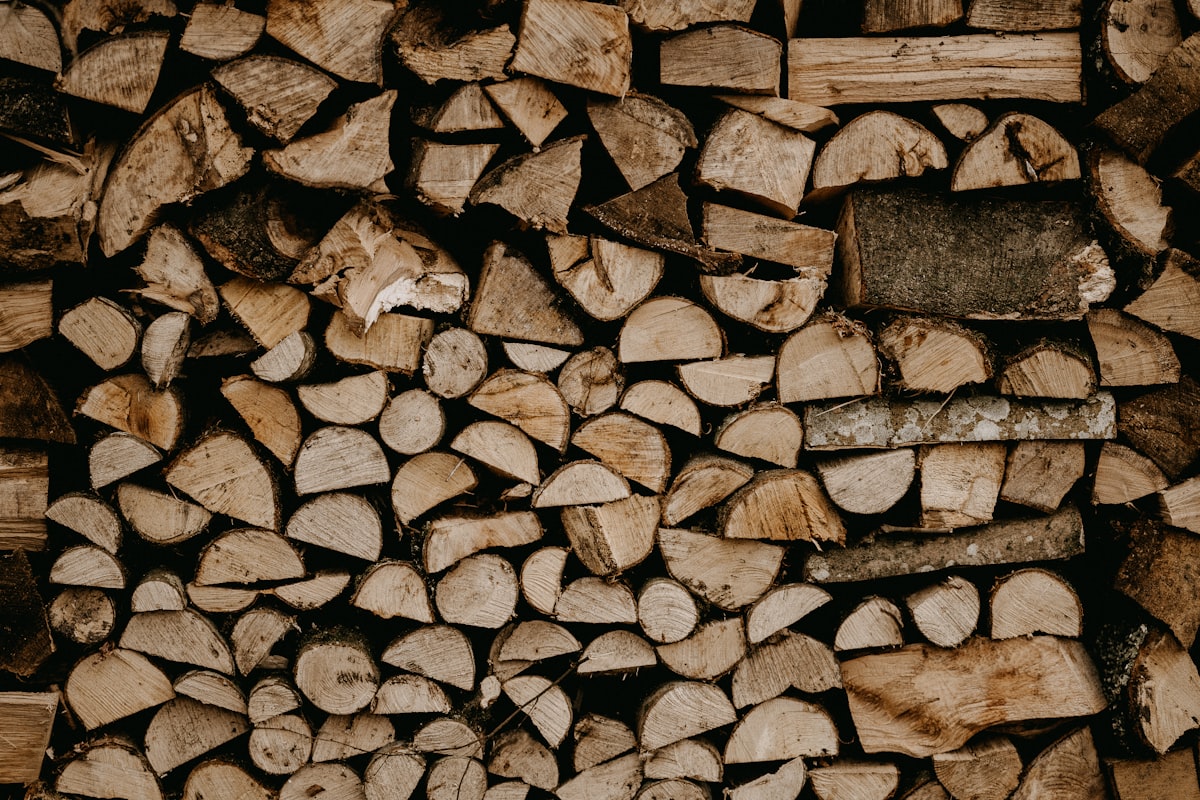
LumberJack — the broadest hardwood lineup
Brand site: bbqlumberjack.com
Hardwood content: 100% hardwood, no fillers per the brand
Lineup: 100% Cherry, 100% Hickory, 100% Oak, plus Apple Blend, Hickory Blend, Mesquite Blend, Pecan Blend, Fruitwood Blend, Char Hickory, Competition Blend (MHC: Maple/Hickory/Cherry), Supreme Blend (OHC: Oak/Hickory/Cherry)
LumberJack is the workhorse pellet for high-volume backyard pitmasters. The Competition Blend is one of the most-recommended pellets on r/smoking and r/BBQ for general all-around use. Distribution is broad through dealers and big-box retailers, and per-bag pricing is competitive at retail. Verify current pricing at the brand’s Find A Store page or your local dealer.
Knotty Wood — the regional California specialist
Brand site: knottywoodbbq.com (note: the site has been intermittently unreachable as of this writing — verify availability before ordering)
Hardwood content: 100% with regional wood blends
Lineup: California-grown almond, plum, walnut, olive, and other regional hardwoods that aren’t easily sourced from Midwestern mills
Knotty Wood is the boutique brand for pitmasters who want regional California woods you can’t get from the standard Midwestern pellet pipeline. Almond and walnut are the signature offerings — almond produces a sweet, nutty smoke that pairs cleanly with poultry and pork. Knotty Wood pellets typically cost more than mainstream brands, and a 20-pound bag of almond is a flavor profile competitors can’t replicate. We were unable to verify current pricing tonight while finalizing this piece — when you see this published, check the brand’s official channels for live MSRP.
CookinPellets — the long-cook competition standard
Brand site: cookinpellets.com
Made in: Racine, Wisconsin, USA
Hardwood content: 100% premium hardwood, no oils, no fillers, no oak, no alder
Flagship blend: Perfect Mix® — Hickory, Cherry, Hard Maple, and real Apple Mash
Lineup: Perfect Mix, 100% Hickory, Apple Mash, Longhorn Blend, Black Cherry, Indoor & Outdoor Smoker Pellets, Bulk Hardwood Pellets
CookinPellets is the brand most often used in competition long cooks. Their Perfect Mix® is a four-wood blend (Hickory, Cherry, Hard Maple, Apple Mash) designed to be richer than apple alone but lighter than straight hickory. The brand is direct about what is NOT in the bag — no oak, no alder, no fillers, no additives — which is why competition pitmasters lean on it for 12-14 hour cooks where ash buildup and inconsistent burn cause real problems. Bulk pricing options are available; check the CookinPellets shop for current bag and pallet pricing.
LumberJack vs. Knotty Wood vs. CookinPellets: side-by-side overview
| Spec | LumberJack | Knotty Wood | CookinPellets |
|---|---|---|---|
| Hardwood content | 100% | 100% | 100% |
| Best for | High-volume backyard cooks; broad blend variety | Regional California flavors (almond, walnut, plum) | Long competition cooks; minimum-fillers purists |
| Standout product | Competition Blend (MHC) | Almond | Perfect Mix® |
| Distribution | Wide dealer network and online | West Coast and online (site availability varies) | Direct online and dealer network |
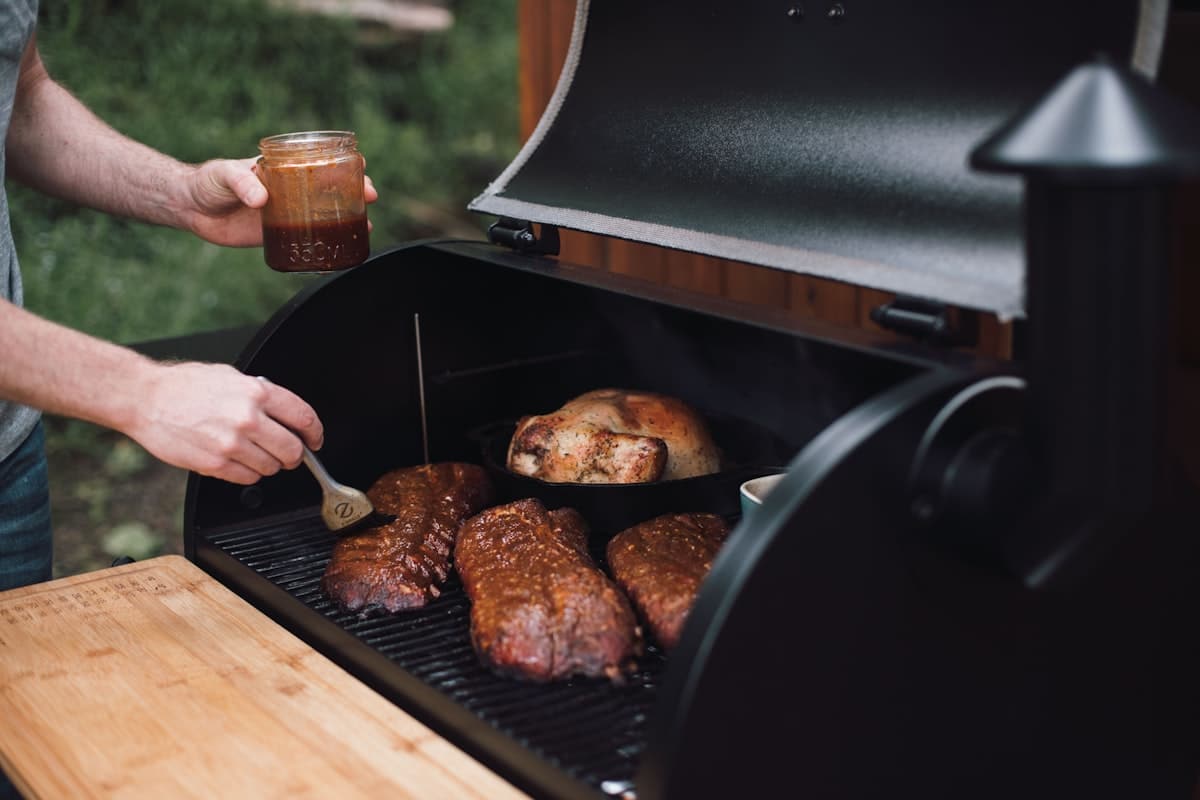
LumberJack vs. the field: how to pick a pellet for your cook
Wood profile drives the answer more than brand:
- Long brisket cook (10–14 hours): CookinPellets Perfect Mix® or LumberJack 100% Hickory. Both burn clean across the long window and the rich flavor profile holds up.
- Pork ribs and pork shoulder: LumberJack Apple Blend, Cherry Blend, or Competition Blend; CookinPellets Perfect Mix®.
- Poultry: LumberJack Apple Blend or Cherry Blend; Knotty Wood Almond if you want something regional and chef-forward.
- Steaks and short cooks: LumberJack 100% Hickory or 100% Oak for hot-fast cooks where the wood signature finishes quickly.
LumberJack lessons: pellet brands and patterns to avoid
“Hickory blend” pellets that don’t disclose the blend. The lower-tier blends are typically a cheaper hardwood base flavored with hickory oil. They burn fine but produce ashier bark and an off flavor on long cooks. Read the back label.
Pellets with visible color variation or charred-looking spots. Premium pellets are uniform light-to-medium brown. Spotting indicates inconsistent compression or bark inclusion — signs of cheap manufacturing.
Bargain-bin store-brand pellets. Some store-brand pellets are excellent (Costco’s Kirkland Signature is widely reported as a re-bag of LumberJack). Others are filler-heavy. Check the back-label hardwood-content disclosure before buying.
Storage and handling
Pellets are hygroscopic — they absorb humidity from the air. Pellets stored in a humid garage for a few weeks degrade visibly: they soften, swell, and crumble in the auger. Store sealed in 5-gallon buckets with airtight lids, ideally indoors. A bucket of pellets dropped on the garage floor and forgotten for a season is the most common reason a pellet grill suddenly performs poorly.
LumberJack vs. Knotty Wood vs. CookinPellets: frequently asked questions
Are all pellet brands compatible with all pellet grills?
Yes. Standard pellet grills accept any 6mm food-grade hardwood pellet. The auger systems on Pit Boss, Traeger, Weber, Yoder, and Camp Chef all feed pellets at comparable rates. You can mix or switch brands without issue.
What does “100% hardwood” mean on a pellet bag?
It means the pellet contains only compressed hardwood with no oils, fillers, or softwood content. Premium pellets disclose their wood mix on the bag. Lower-tier “flavored” pellets often use oak or alder as a base with hardwood oil for flavor.
Do pellets expire?
Pellets don’t expire in the food-safety sense, but they degrade with humidity exposure. A sealed bag stored in dry conditions can last 12+ months. An open bag in a humid garage may be unusable within 6–8 weeks.
How many pellets does a long brisket cook use?
Typical long-cook pellet usage runs around 1 pound per hour at 225°F across most pellet grills. A 12-hour cook lands roughly in the 12–14 pound range. Check your grill’s owner’s manual for manufacturer-published pellet consumption figures.
Is Knotty Wood almond worth the premium?
For poultry and pork, the regional flavor is genuinely different from any Midwestern hardwood. For long beef cooks, the price premium is harder to justify when CookinPellets Perfect Mix® is widely available and produces excellent brisket results.
Can I mix pellet brands in the same hopper?
Yes. Mixing brands is a common pitmaster practice — combining a value brand with a premium for flavor in a 70/30 or 50/50 ratio. The auger feeds them identically.
Related reading on PopularBBQ.com
- Pit Boss vs. Traeger 2026: The Pellet-Grill Comparison
- Weber Searwood XL 600 vs. Traeger Ironwood XL: The 2026 Sear-Off
- Smoking Woods by Cut: The Pitmaster’s Wood-Meat Pairing Guide
- Why Pellet Smokers Stall at 165°F
Across the BAM network
The same household that buys 40-pound pellet bags by the pallet also runs the everyday-carry gear at Popular EDC and the rifles tracked at Guns & Gadgets Daily.
Reader Favorites
- Essential BBQ Tools: Get The Tools Pros Recommend Now
- Cleaning Your Gas Grill Cooking Grate: Make it Great Again
- Stainless Steel BBQ Grill Cleaning: Master Maintenance Now
- Best Beef Breeds: Pick The Best For Smoking Now
- Grill Baskets: Smoky Veggies & Fish Made Easy
- Different Cuts of Pork: Elevate BBQ Mastery Now
BBQ Temperature Charts & Guides
Four quick-reference tools every cook bookmarks — target temps, pull temps, and how long leftovers keep, plus the full BBQ glossary.
| Cut | Pull | Time |
|---|---|---|
| Brisket | 203°F | 12–16h |
| Spare ribs | 195–203°F | ~6h |
| Pork butt | 203°F | 12–14h |
Target temps & times for 17 cuts, sortable by meat, weight and doneness.
View full chart →| Doneness | Target |
|---|---|
| Rare | 125–130°F |
| Medium-rare | 130–135°F |
| Well-done | 160°F+ |
Rare to well-done, burger safety (160°F) and resting times.
View full chart →| Food | Fridge | Freezer |
|---|---|---|
| Brisket, ribs | 3–4 days | 2–3 mo |
| Smoked sausage | 1 week | 1–2 mo |
| Potato salad | 3–4 days | no freeze |
How long smoked meats & sides keep — fridge and freezer, USDA-based.
View full chart →Every pit term decoded — cooking methods, gear, cuts, wood, and technique, A to Z.
Open the glossary →