Pit Boss vs. Traeger 2026: The Pellet-Grill Comparison Pitmasters Actually Use
Quick answer: Pit Boss wins on dollar-per-square-inch, hopper capacity, and high-temp searing reach. Traeger wins on app, cloud-based smart firmware, customer service, and ecosystem accessories. If you cook hot-and-fast and value raw cubic inches, buy Pit Boss. If you cook long-haul and want a polished app that does the math for you, buy Traeger.
Last updated: September 2, 2026 · Originally published May 9, 2026
Pit Boss vs. Traeger 2026 — what actually changed this year
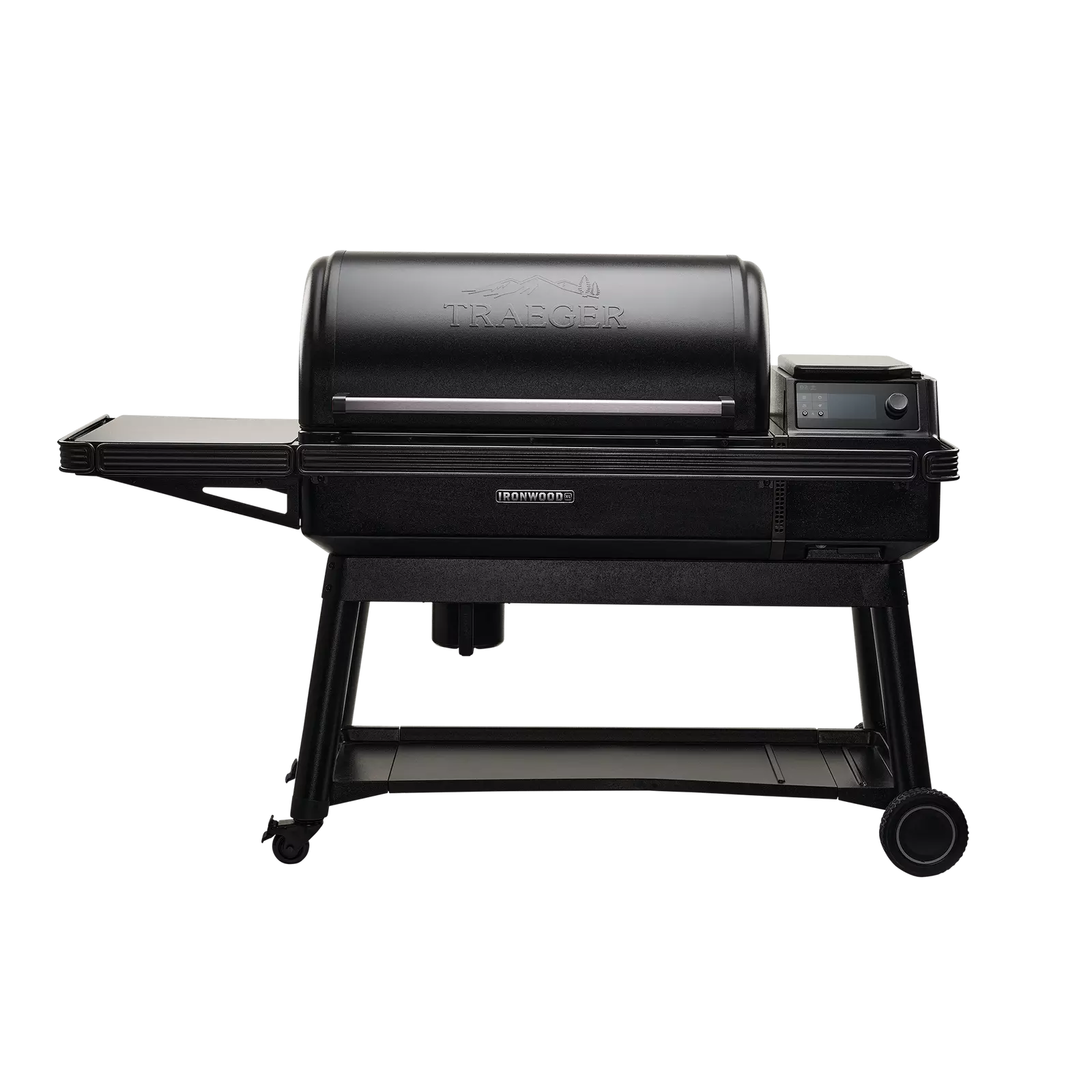
Both brands shipped meaningful updates for 2026. Pit Boss expanded the Pro Series II lineup (sold exclusively at Lowe’s) with sturdier 14-gauge bodies and the new Grill Connect technology with a digital PID controller for steady low-and-slow temperatures. Traeger countered with the Ironwood XL refresh — a redesigned P.A.L. Pop-And-Lock accessory rail and integrated pellet sensor, faster boot times, and a noticeably better WiFire app.
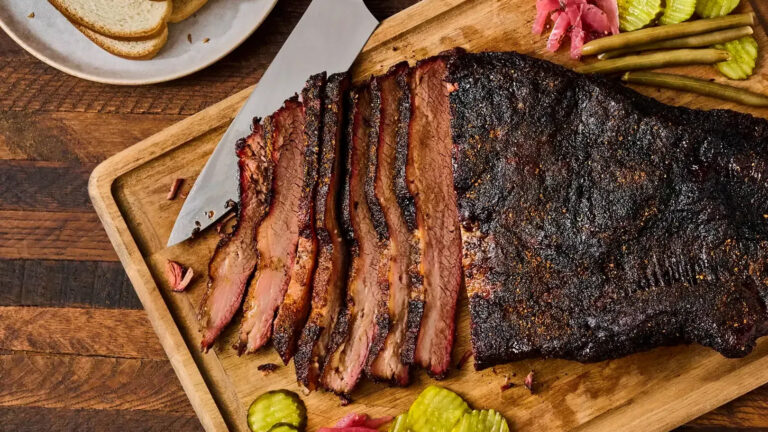
Most reviews focus on specs. The pitmaster question is simpler: which one finishes a 14-pound brisket in your backyard tonight without you babysitting the controller?
Specs at a glance
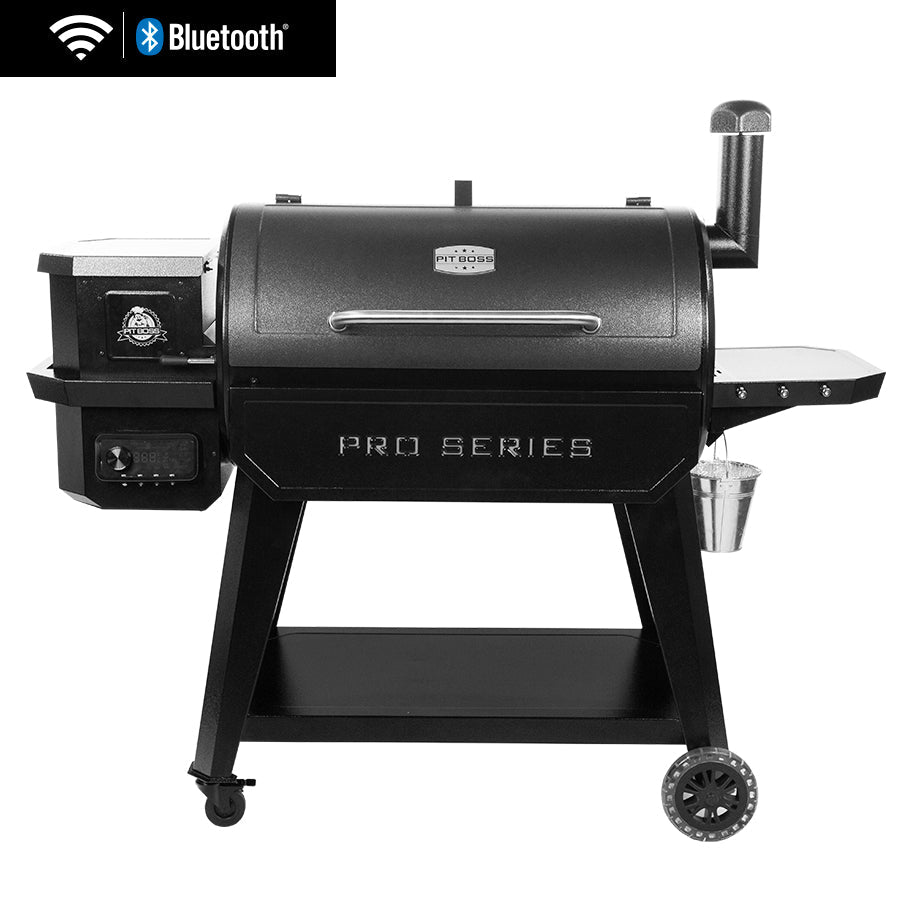
| Spec | Pit Boss Pro Series II 1150 | Traeger Ironwood XL |
|---|---|---|
| Cooking surface | 1,155 sq in | 924 sq in |
| Hopper capacity | 32 lb | 22 lb |
| Temperature range | 180°F – 500°F | 165°F – 500°F |
| Controller | Grill Connect (WiFi + Bluetooth) | WiFire (WiFi + cloud) |
| Build | 14-gauge steel | Powder-coated steel |
| Warranty | 5 years | 10-year limited |
| MSRP | $799 | $1,999 |
Pit Boss vs. Traeger: where Pit Boss wins
Cooking surface and hopper. The Pro Series II 1150 gives you 25% more cooking real estate and 45% more hopper for less than half the price. If you run a Memorial Day cook for 30 people, that’s the difference between two brisket loads and one. The 32-pound hopper means you load it Friday night and walk away until Saturday afternoon.
Searing temperatures. Pit Boss’s slide-plate flame broiler exposes the cooking surface to direct flame and reliably hits 1,000°F for steaks and reverse-sear finishes. Traeger’s Ironwood maxes at 500°F via convection — fine for chicken, marginal for ribeyes.
Build and price. The 14-gauge body resists warping after 2–3 seasons of weather. At $799 retail (often $649 on sale), the Pro Series II lands at roughly 70 cents per square inch of cooking surface. Traeger’s Ironwood XL works out to about $2.16.
Pit Boss vs. Traeger: where Traeger wins
The app. WiFire is the reason a first-timer can run a 14-hour brisket without panic. Recipe-driven cooks set ramp temperatures, turn-up alerts, and probe targets automatically. Pit Boss’s Grill Connect closed the gap this year — but Traeger still wins on polish and reliability of cloud notifications.
Customer service. Traeger’s support team replaces auger motors, controllers, and grates faster than any competitor. The 10-year grate warranty alone is worth ~$120 over the life of the grill.
Ecosystem. The Traeger accessory catalog — pizza ovens, pellet flavors, drip trays, MEATER probes — is broader and easier to source. Most big-box stores stock Traeger pellets; Pit Boss pellets are easier to find at Walmart and Lowe’s but harder at Home Depot.
Pit Boss vs. Traeger: where the differences disappear
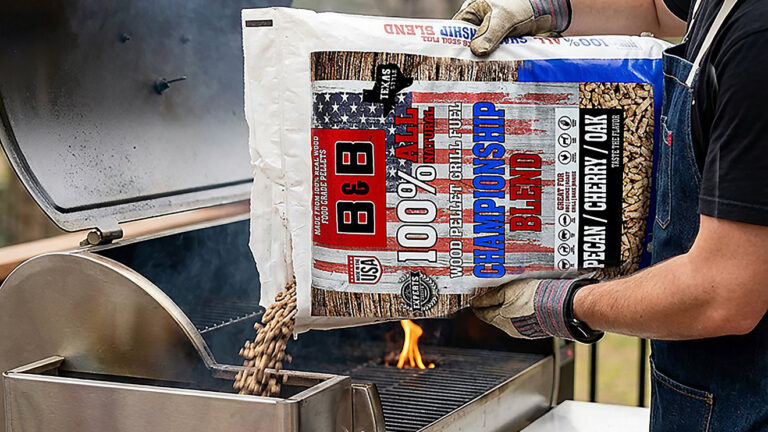
Smoke quality is functionally identical when you’re running the same hardwood pellets. Both grills cycle their augers in similar patterns and deliver clean, blue-tinted smoke at temperatures between 200°F and 250°F. Pellet quality matters more than brand here — see our pellet brand showdown for which pellets we run on each.
App outage stories happen on both platforms. Both brands suffered cloud authentication issues during 2025 holiday weekends. If your cook plan depends on phone notifications, run a backup MEATER or ThermoWorks Smoke X probe regardless of grill brand.
Pit Boss vs. Traeger: which one we recommend by buyer
The first-timer cooking for the family on weekends: Traeger Pro 575 or Ironwood. The app does the work while you learn fire management, and Traeger support is the safety net.
The high-volume cook running brisket for tailgates and church suppers: Pit Boss Pro Series II. The hopper and surface area pay for themselves the first time you cook for 25 people.
The pitmaster who reverse-sears steaks weekly: Pit Boss. The slide-plate broiler is the difference between a 500°F finish and a 1,000°F finish, and that gap shows up on the steak.
The buyer who wants set-it-and-forget-it for overnight cooks: Traeger Ironwood XL with the WiFire app and a MEATER 2 Plus probe. The combination is the cleanest unattended-cook setup on the market.
What we’d buy for ourselves in 2026
Both grills cook excellent food. The decision comes down to whether you value cubic inches and dollars per square inch (Pit Boss) or app polish and ecosystem depth (Traeger). If you have the budget and the patio space for two, a Pit Boss Pro Series II 1150 as the daily driver alongside a Traeger Ironwood for anyone who does not want to think about fire is the cleanest pairing on paper.
If we had to pick one for a single-grill backyard, the answer is the Pit Boss Pro Series II 1150 at $799. The app difference matters less every year as Pit Boss’s Grill Connect catches up — and the hardware gap on hopper, cooking surface, and searing reach is permanent.
Pit Boss vs. Traeger: frequently asked questions
Is Pit Boss made by Traeger?
No. Pit Boss is made by Dansons, Inc. of Phoenix, Arizona. Traeger is a separate company headquartered in Salt Lake City, Utah. The two are direct competitors and share no parent company.
Are Pit Boss pellets compatible with Traeger grills?
Yes. Both grills accept any food-grade hardwood pellet. The auger systems are mechanically similar and feed pellets at comparable rates. Most pitmasters mix brands without issue.
Which grill holds temperature better in cold weather?
Pit Boss. The 14-gauge body and larger hopper retain heat better than Traeger’s Ironwood at temperatures below 40°F. Traeger users typically add an insulation blanket below 50°F.
Can I sear a steak on a Traeger?
You can finish a steak on a Traeger up to 500°F, but the convection-only design will not produce the deep crust you get from direct flame. Pit Boss’s slide-plate flame broiler exposes the cooking surface to live flame for proper searing up to 1,000°F.
How long does each pellet grill last?
Both brands deliver 7–10 years of regular use when stored under cover. Traeger’s 10-year grate warranty extends grate life beyond Pit Boss’s 5-year warranty, but body warping on either grill becomes the failure point first if the grill lives uncovered in the elements.
Related reading on PopularBBQ.com
- Why Pellet Smokers Stall at 165°F (And 4 Fixes That Actually Work)
- Drum Smokers in 2026: Why More Backyard Pitmasters Are Going UDS
- Spring Smoker Startup: 7 Steps to Wake Your BBQ Rig After Winter
Across the BAM network
Looking for the right shooting accessory while you’re upgrading the backyard? Our sister site Popular EDC covers everyday-carry knife and tool reviews, and Guns & Gadgets Daily tracks new firearm releases for the same buyer who upgrades their grill every five years.
Pit Boss vs. Traeger: the bottom line
The Pit Boss vs. Traeger choice really comes down to how you cook on weekends, not which spec sheet looks longer. Pit Boss vs. Traeger spec deltas matter most at the edges — searing temperature, hopper hours, and app polish — and they cancel out in the middle of the temp band where most cooks live. For 2026, the Pit Boss vs. Traeger comparison is closer than it has been in five years, and the right answer is the one whose accessory ecosystem you will actually buy into.
Reader Favorites
- Essential BBQ Tools: Get The Tools Pros Recommend Now
- Cleaning Your Gas Grill Cooking Grate: Make it Great Again
- Stainless Steel BBQ Grill Cleaning: Master Maintenance Now
- Smoke on a Gas Grill: BBQ Made Simple
- Grill Baskets: Smoky Veggies & Fish Made Easy
- Trimming Beef Brisket: Learn What the Pros Know Now
BBQ Temperature Charts & Guides
Four quick-reference tools every cook bookmarks — target temps, pull temps, and how long leftovers keep, plus the full BBQ glossary.
| Cut | Pull | Time |
|---|---|---|
| Brisket | 203°F | 12–16h |
| Spare ribs | 195–203°F | ~6h |
| Pork butt | 203°F | 12–14h |
Target temps & times for 17 cuts, sortable by meat, weight and doneness.
View full chart →| Doneness | Target |
|---|---|
| Rare | 125–130°F |
| Medium-rare | 130–135°F |
| Well-done | 160°F+ |
Rare to well-done, burger safety (160°F) and resting times.
View full chart →| Food | Fridge | Freezer |
|---|---|---|
| Brisket, ribs | 3–4 days | 2–3 mo |
| Smoked sausage | 1 week | 1–2 mo |
| Potato salad | 3–4 days | no freeze |
How long smoked meats & sides keep — fridge and freezer, USDA-based.
View full chart →Every pit term decoded — cooking methods, gear, cuts, wood, and technique, A to Z.
Open the glossary →