Himalayan Salt Block Care: Essential Tips for Grilling
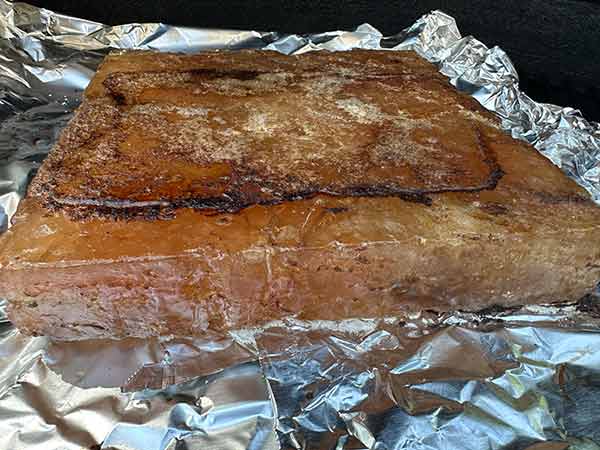
A Himalayan salt block, pale pink and heavy with ancient sea minerals, brings the ocean’s quiet grace to your grill. Treated properly it seasons shrimp or scallops with an even, light salinity that a shaker cannot match. Himalayan salt block care is about tending it gently, like a cedar plank or a cast-iron skillet, to ensure it lasts through countless coastal feasts. Let’s explore how to care for this tool, letting fire and salt work their magic.
Last updated: September 2, 2026 · Originally published July 10, 2025
Seasoning: Preparing the Block
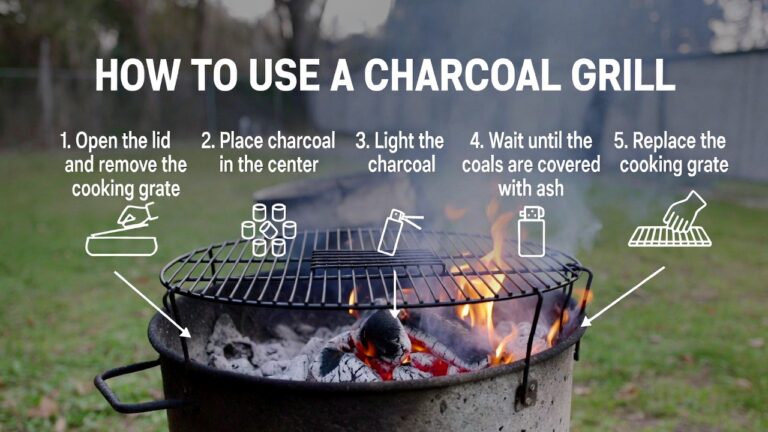
Before its first dance with flame, a salt block needs tempering—a key step in Himalayan salt block care. Place it on a cold grill and warm it to 200°F for 30 minutes, slow and steady. Then raise the heat to 350–400°F for 20 minutes more. Let it cool for 12 hours. This strengthens the block, preventing cracks, much like seasoning a plank for salmon. Rushing risks fractures, so take your time. Our heating guide has more details. For the block’s story, see Natures Salt Global. Charcoal with a little alder suits it, since that smoke is mild enough not to fight the salt.
Cleaning: Keeping It Pure
After grilling oysters or searing fish, let the block cool for 12–24 hours. Sudden cold, like a winter wave, can crack it. Scrape off residue with a metal spatula. If needed, wipe with a slightly damp cloth—no soap, as the block’s natural salt fights bacteria. Dry it well to avoid erosion. Our storage guide offers more tips. In damp air, wrap it in a dry cloth so moisture cannot reach it.
Handling: A Careful Touch
- Move Gently: Use heat-resistant gloves; a hot block (8–20 pounds) is fragile, like a shell on the tide line.
- Oil Sparingly: Brush oil on your food, not the block, to avoid sticky buildup.
- Check for Wear: Small surface cracks are normal; deep ones mean it’s time to retire the block.
Handle your block with care to avoid stress fractures. A dropped or shocked block won’t last, so move it as you would a delicate fillet. If issues arise, our troubleshooting guide can help. I grill with alderwood, its soft smoke complementing the block’s salt, a quiet nod to the coast.
Maintaining True Flavor
A clean block keeps flavors pure, letting the salt’s subtle minerality shine. Before a big cook, test it with a single scallop to check its salinity. Our food pairings guide suggests matches like shrimp or thin fish fillets. A well-cared-for block lasts 20–50 uses, its color softening but its flavor enduring. Store it in a dry place, free from weight, to preserve its life.
Coastal Tips for Mastery
Always treat the block like a gift from the sea. Chill it in the fridge to serve raw clams, their brine enhanced by the block’s cool touch. Pair it with cedar smoke for salmon, the wood’s aroma mingling with salt. When it thins, grate small pieces over grilled mussels as a finishing touch, extending its life sustainably. These practices honor the block and the ocean, ensuring nothing goes to waste.
Mistakes to Avoid
Don’t skip tempering; haste invites cracks. Avoid soaking the block—a damp cloth is enough, as water erodes its surface. Check for deepening cracks regularly; they signal the block’s end. Our troubleshooting guide offers solutions. These steps keep your block ready for the next fire.
Why Care Matters
Tending a Himalayan salt block connects us to the sea’s ancient rhythm. Care for it well, and it will season your grilled oysters or fish with a taste of the tide, letting each dish carry the coast’s gentle story.
Reader Favorites
- Smoking Ahi Tuna on a Salt Block: A Unique Option
- Himalayan Salt Block Grilling: Your Guide to the Salt Life
- Himalayan Salt Block Recipe: Science Meets Southern BBQ Now
- Himalayan Salt Block Foods: Best Grilling Choices
- Himalayan Salt Block History: From Ancient Origins to BBQ
- Using Himalayan Salt Block: Key Considerations for Grilling
BBQ Temperature Charts & Guides
Four quick-reference tools every cook bookmarks — target temps, pull temps, and how long leftovers keep, plus the full BBQ glossary.
| Cut | Pull | Time |
|---|---|---|
| Brisket | 203°F | 12–16h |
| Spare ribs | 195–203°F | ~6h |
| Pork butt | 203°F | 12–14h |
Target temps & times for 17 cuts, sortable by meat, weight and doneness.
View full chart →| Doneness | Target |
|---|---|
| Rare | 125–130°F |
| Medium-rare | 130–135°F |
| Well-done | 160°F+ |
Rare to well-done, burger safety (160°F) and resting times.
View full chart →| Food | Fridge | Freezer |
|---|---|---|
| Brisket, ribs | 3–4 days | 2–3 mo |
| Smoked sausage | 1 week | 1–2 mo |
| Potato salad | 3–4 days | no freeze |
How long smoked meats & sides keep — fridge and freezer, USDA-based.
View full chart →Every pit term decoded — cooking methods, gear, cuts, wood, and technique, A to Z.
Open the glossary →