How to Grill Chicken Perfectly Every Time
Chicken is done at 165°F in the breast and closer to 175°F in the thigh, and every other decision follows from getting there evenly.
Last updated: September 2, 2026 · Originally published June 3, 2025
Grilling chicken looks like a puzzle because the cuts behave so differently. A breast, a thigh and a whole bird want three different setups. Knowing how to grill chicken well comes down to two-zone heat and a thermometer. Gas, charcoal or smoker, the approach below is the same.

Ingredients for Grilled Chicken Success
Alright, let’s get down to brass tacks. Here’s what you need to grill chicken like a pro every time:
- Chicken (any cut) – 1-2 lbs
- Olive oil – 2 tablespoons
- Salt – 1 teaspoon
- Pepper – ½ teaspoon
- Optional: Marinade (e.g., BBQ sauce or lemon-garlic)
Keep it simple. If you want hickory smoke alongside a marinade, there is nothing stopping you; a little cherry wood will lift the flavor somethin’ fierce. Check out these top marinade recipes for some inspiration.
How to Grill Chicken: Timing Cheat Sheet
Cooking times? Depends on your cut and rig. For gas or charcoal cranked to 400-450°F, here’s the lowdown:
| Type of Chicken | Cook Time |
|---|---|
| Boneless, skinless breast (8 oz) | 10-15 minutes |
| Bone-in, skin-on pieces | 35-45 minutes |
| Whole chicken | 60-90 minutes |
| Kabob cubes | 15-18 minutes |
Now, if you’re runnin’ a smoker at 225-350°F, settle in—whole birds can take up to 3 hours. Therefore, grab a thermometer, ‘cause 165°F is your sweet spot. Ain’t no guessin’ game here.
Why Dual-Zone Grilling Wins
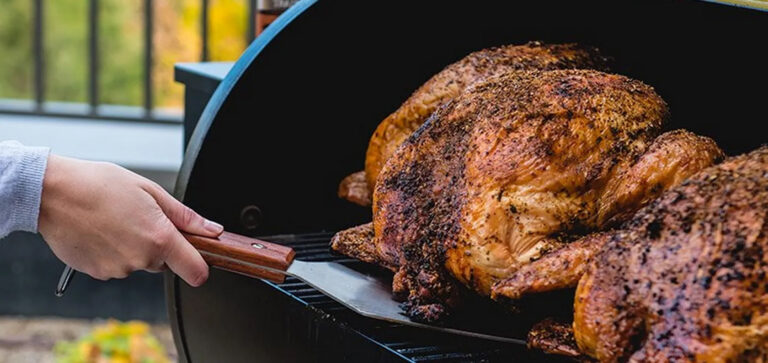
Wanna ace how to grill chicken? Dual-zone’s your ticket. Set up a hot zone for that sear—get them grill marks lookin’ mean—then a cooler spot to finish ‘er off. First, sear over direct heat for that crispy skin, then slide it over to indirect to cook through without torchin’ it. Whole chickens? Keep ‘em indirect the whole way, let that heat work slow and steady.
How to Grill Chicken and Lock in Juiciness
Pro Tips for How to Grill Chicken Like a Boss
For extra wisdom, hit up Weber’s grilling tips. They’re big on oilin’ the grates and flippin’ just once—keeps them juices locked in tight.
Now, let’s talk smoke rings—‘cause who don’t love that pink layer under the skin? Keep your grill at a steady 250°F with some hickory or cherry wood chips. The low temp and smoke work together, givin’ you that BBQ badge of honor. Moreover, patience is key; rush it, and you’re just roastin’, not smokin’.
What is your go-to for grilled chicken? A marinade, a brine, a particular setup? Tell me in the comments.
Extra BBQ Science: Heat and Meat Basics
Here is the reason behind all of it: chicken muscle fibres tighten and squeeze out moisture if you cook them too fast. That’s why low and slow works wonders on smokers—keeps things juicy. On a hot grill, though, you gotta balance that sear with indirect heat. For instance, thighs can take more abuse than breasts ‘cause of their fat content, so don’t shy away from a little extra char. In addition, resting your meat after grillin’ lets them juices redistribute—skip it, and you’re cuttin’ into a dry mess. Trust me, I’ve smoked enough birds to know the difference. Check this out if you’re in need of some other Grilling Chicken Temps.
Two thirds of you put beans in your chili every time.
Reader Favorites
- Easy BBQ Foods: Grill Like a Pro with These 10 Recipes
- Grilling Crispy Hot Wings: Master Crunchy Perfection Now
- Spicy Jamaican Jerk Chicken: Unleash Fiery Flavor Now
- Dr Pepper BBQ Wings: Add an Awesome Twist to Your Wings Now
- Smoky Red Chicken Wings: Flavor-Packed Adventure Starts Now
- Buffalo Chicken Wings on the Grill: Ultimate Game Day Staple
BBQ Temperature Charts & Guides
Four quick-reference tools every cook bookmarks — target temps, pull temps, and how long leftovers keep, plus the full BBQ glossary.
| Cut | Pull | Time |
|---|---|---|
| Brisket | 203°F | 12–16h |
| Spare ribs | 195–203°F | ~6h |
| Pork butt | 203°F | 12–14h |
Target temps & times for 17 cuts, sortable by meat, weight and doneness.
View full chart →| Doneness | Target |
|---|---|
| Rare | 125–130°F |
| Medium-rare | 130–135°F |
| Well-done | 160°F+ |
Rare to well-done, burger safety (160°F) and resting times.
View full chart →| Food | Fridge | Freezer |
|---|---|---|
| Brisket, ribs | 3–4 days | 2–3 mo |
| Smoked sausage | 1 week | 1–2 mo |
| Potato salad | 3–4 days | no freeze |
How long smoked meats & sides keep — fridge and freezer, USDA-based.
View full chart →Every pit term decoded — cooking methods, gear, cuts, wood, and technique, A to Z.
Open the glossary →