Smoked Turkey Breast: Temperature, Time and Two Proven Methods
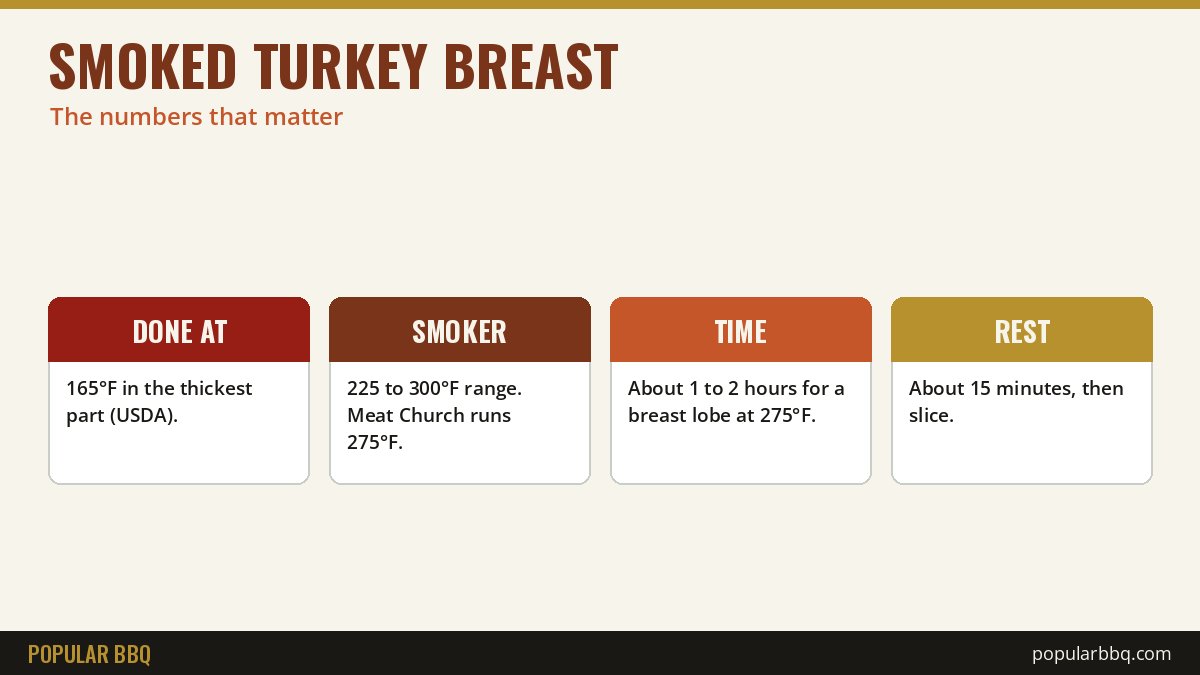
Smoked turkey breast is done at 165°F in the thickest part. At 275°F that takes about 1 to 2 hours; brine it first for a juicier breast.
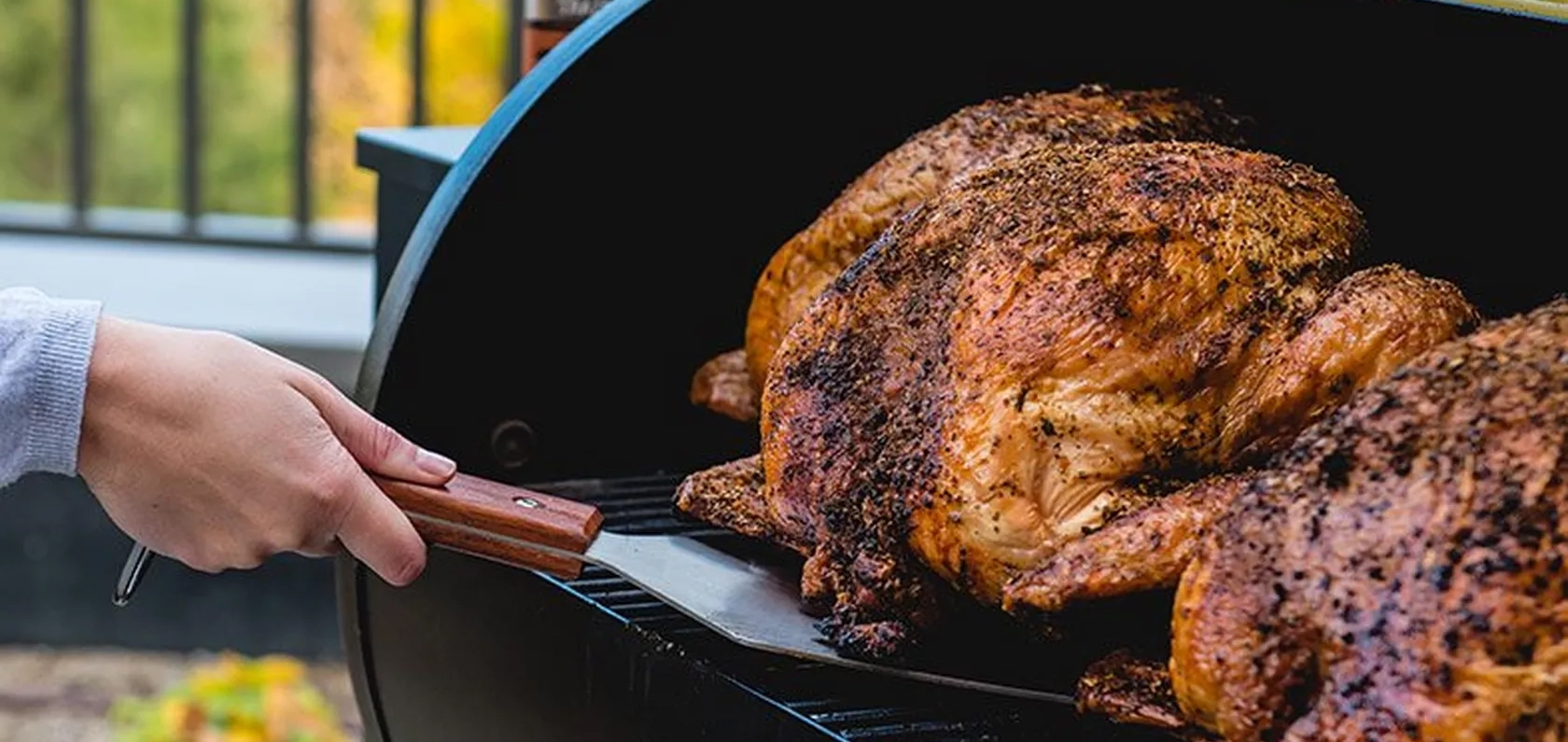
Smoked turkey breast is the easy way to get Thanksgiving flavor without wrestling a whole bird, and it is a lot harder to dry out if you cook it by temperature instead of by the clock. Below are the numbers that matter, the safe temperature from the USDA, and two proven methods from the pitmasters who publish their recipes.
Food safety note. The USDA says to cook all poultry to 165°F, measured with a food thermometer in the thickest part. Thaw completely in the refrigerator before smoking, never on the counter, and refrigerate leftovers within 2 hours. Times in this article are estimates; the thermometer decides when it is done.
Smoked Turkey Breast at a Glance
- Done: 165°F in the thickest part, per the USDA.
- Smoker: the USDA’s range for smoking is 225°F to 300°F. Meat Church smokes breast at 275°F.
- Time: about 1 to 2 hours for a single breast lobe at 275°F, per Meat Church.
- Brine: Meat Church brines 6 hours; Traeger brines a whole bone-in breast at least 24 hours.
- Rest: about 15 minutes before slicing.

What Temperature Is Smoked Turkey Breast Done?
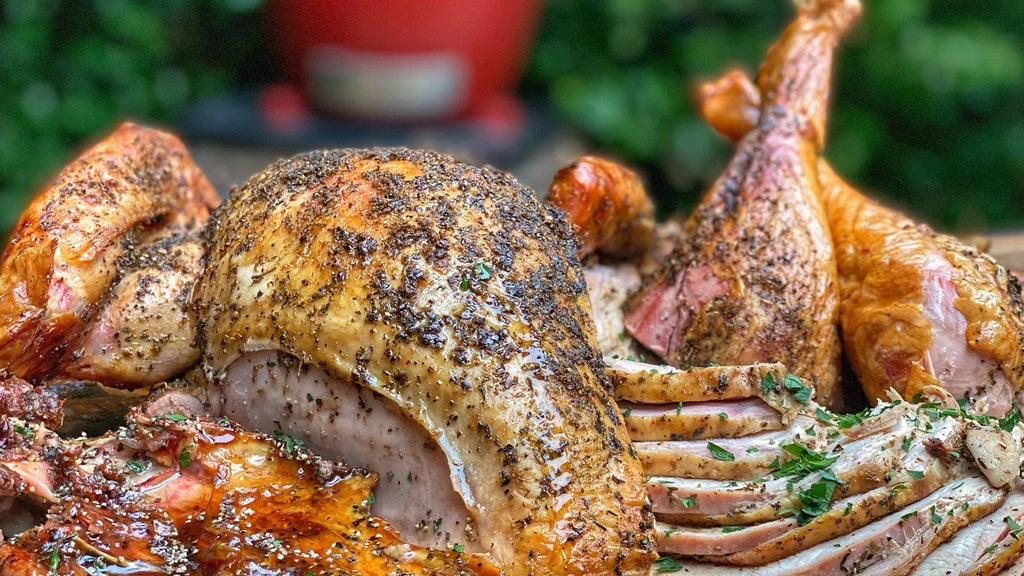
165°F. The USDA Food Safety and Inspection Service says to “cook all poultry to a safe minimum internal temperature of 165 °F.” Check it in the thickest part of the breast, away from the bone. Some recipes, including Traeger’s, pull the breast at 160°F and count on it rising to 165°F while it rests. If you do that, check it again after the rest and make sure it actually got there.
Use two thermometers, the way the USDA recommends for smoking: one for the air in the smoker and one in the meat. Our guide on how to use a meat thermometer covers placement and calibration.
How Long to Smoke a Turkey Breast
| Meat Church | Traeger | |
|---|---|---|
| Cut | One breast lobe | 8 to 10 lb turkey breast |
| Brine | 6 hours | At least 24 hours |
| Smoker | 275°F | 375°F |
| Time | About 1 to 2 hours | 2 to 2 1/2 hours |
| Done | 165°F | Pull at 160°F, rests to 165°F |
| Rest | About 15 minutes | 15 minutes |
From each company’s published recipe. Traeger’s 375°F is above the USDA’s 225°F to 300°F smoking range, which makes it closer to roasting with smoke.
The USDA says smoking meat or poultry in general “can take anywhere from 4 to 8 hours,” but a boneless breast lobe is small and cooks much faster, which is why Meat Church lists 1 to 2 hours. Size, bone and how steady your smoker runs all move the time. Our meat smoking calculator can help you plan the day.
How to Smoke a Turkey Breast, Step by Step
- Thaw it fully in the refrigerator. The USDA warns that a partly frozen breast thaws too slowly in the smoker and lingers in the 40°F to 140°F danger zone.
- Brine or dry brine. Meat Church uses a 6-hour wet brine. If you would rather salt it dry, our dry brining guide gives the salt amounts by weight. Brine in the refrigerator, not on the counter.
- Pat it dry and season. Meat Church puts a thin coat of mayonnaise on the breast so the rub sticks, then bastes with melted butter during the cook.
- Smoke at 275°F. That sits inside the USDA’s 225°F to 300°F range and gets a breast done in about 1 to 2 hours.
- Go to 165°F. Probe the thickest part.
- Rest about 15 minutes, then slice across the grain.
How to Keep Smoked Turkey Breast From Drying Out
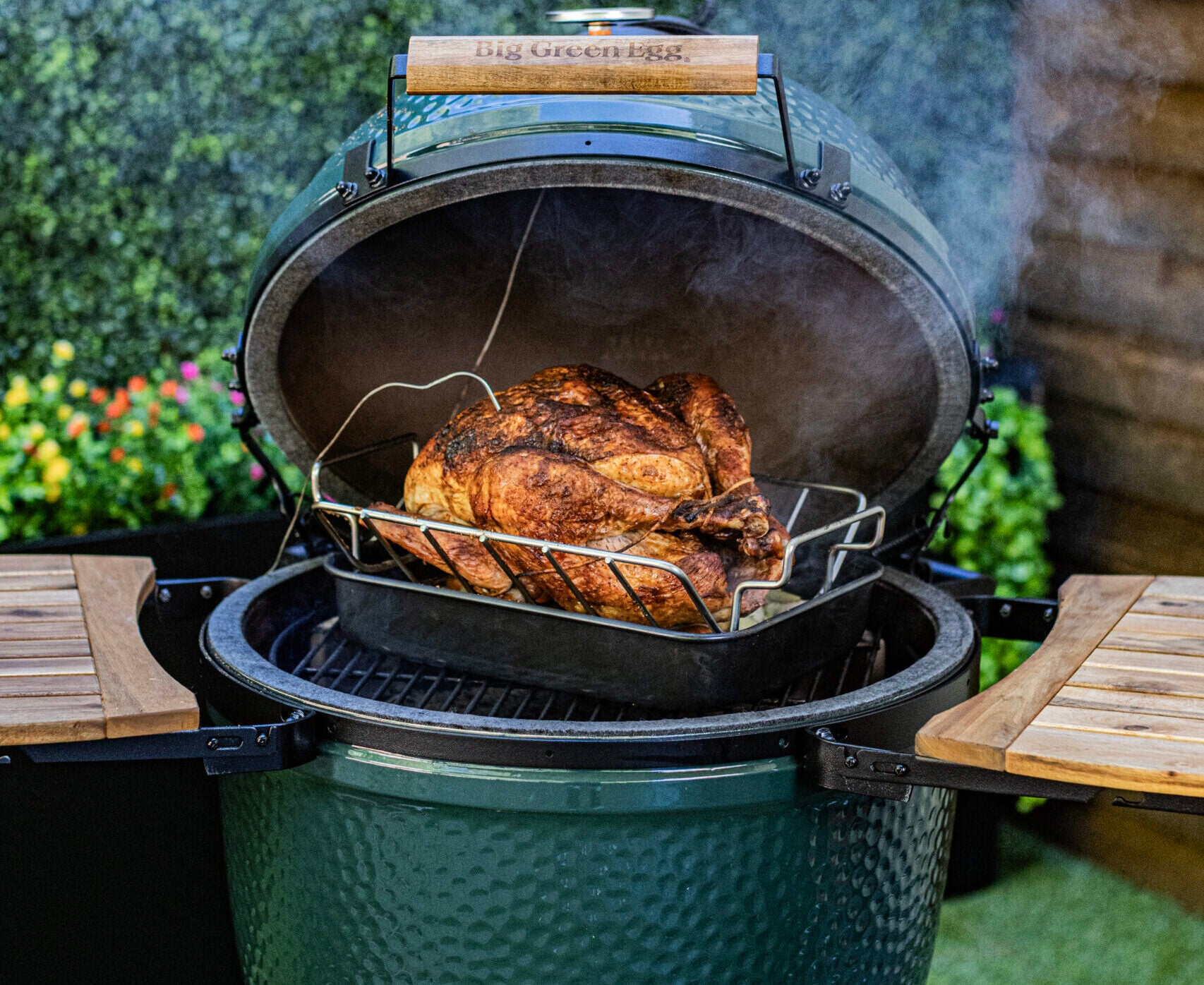
Here is the thing: breast meat is lean, so there is not much room for error. Both published recipes lean on the same two tools, a brine before the cook and a thermometer during it. The thermometer keeps you from blowing past 165°F while you wait on the clock. Meat Church adds the butter baste on top of that.
Planning the whole bird instead? Our smoked turkey guide covers the full turkey.
Frequently Asked Questions
How long does it take to smoke a turkey breast at 225°F?
Longer than at 275°F. Neither published recipe here uses 225°F, so there is no sourced time to give you. Plan extra time and cook to 165°F by thermometer.
Should I brine a turkey breast before smoking?
Both recipes above do: Meat Church for 6 hours, Traeger for at least 24. Always brine in the refrigerator.
Can I pull turkey breast at 160°F?
Traeger does and lets carryover heat bring it to 165°F. The USDA’s number is 165°F, so confirm it reaches 165°F before you slice.
How long can smoked turkey sit out?
Refrigerate it within 2 hours of taking it off the smoker, per the USDA.
Brine it, smoke it at 275°F, and pull it by the thermometer. That gives you a juicy breast in a couple of hours with a lot less work than a whole bird. And if you would rather bring home a wild bird, Popular Outdoorsman has a checklist for spring turkey hunting preparation.
Sources: USDA Food Safety and Inspection Service, “Smoking Meat and Poultry”; Meat Church, “Smoked Turkey Breast”; Traeger, “Traeger Smoked Turkey Breast.”

Reader Favorites
- Creative BBQ Recipes: Fire Up A Unique BBQ Menu Now
- Easy BBQ Foods: Grill Like a Pro with These 10 Recipes
- Grilling Crispy Hot Wings: Master Crunchy Perfection Now
- Spicy Jamaican Jerk Chicken: Unleash Fiery Flavor Now
- Dr Pepper BBQ Wings: Add an Awesome Twist to Your Wings Now
- Smoky Red Chicken Wings: Flavor-Packed Adventure Starts Now
BBQ Temperature Charts & Guides
Four quick-reference tools every cook bookmarks — target temps, pull temps, and how long leftovers keep, plus the full BBQ glossary.
| Cut | Pull | Time |
|---|---|---|
| Brisket | 203°F | 12–16h |
| Spare ribs | 195–203°F | ~6h |
| Pork butt | 203°F | 12–14h |
Target temps & times for 17 cuts, sortable by meat, weight and doneness.
View full chart →| Doneness | Target |
|---|---|
| Rare | 125–130°F |
| Medium-rare | 130–135°F |
| Well-done | 160°F+ |
Rare to well-done, burger safety (160°F) and resting times.
View full chart →| Food | Fridge | Freezer |
|---|---|---|
| Brisket, ribs | 3–4 days | 2–3 mo |
| Smoked sausage | 1 week | 1–2 mo |
| Potato salad | 3–4 days | no freeze |
How long smoked meats & sides keep — fridge and freezer, USDA-based.
View full chart →Every pit term decoded — cooking methods, gear, cuts, wood, and technique, A to Z.
Open the glossary →