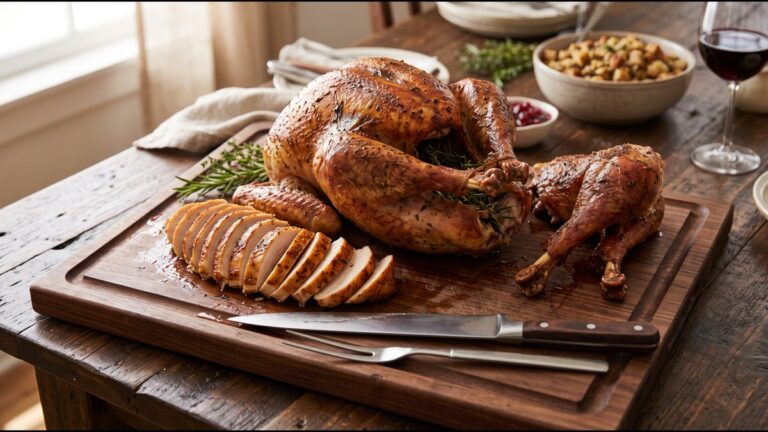
Kitchen Knives: Every Type, What It’s For and Which You Need
Kitchen knives come in about a dozen types, but a chef’s knife, a paring knife and a serrated bread knife handle most cooking jobs.
Originally published: November 18, 2026
Walk into a kitchen store and the knife wall goes on forever. Santokus, nakiris, slicers, boners, cleavers, utility knives and blocks with 18 slots. Most of them do one job well, and you only need a few of those jobs.
This is the Popular BBQ guide to kitchen knives: every common type, what each one is for, which ones a cook actually needs, and which ones matter at the smoker. It is also the home of our kitchen knife series, so every new part lands here first.
The parts that matter
- Start with three: a chef’s knife, a paring knife and a serrated bread knife.
- Add for barbecue: a long slicing or carving knife, and a boning knife for trimming.
- Length: chef’s knives run 6 to 10 inches; carving knives 8 to 15.
- Honing is not sharpening: a honing steel straightens the edge; sharpening removes metal to make a new one.
- The series: new parts every week, listed at the bottom of this page.
What Are the Types of Kitchen Knives?
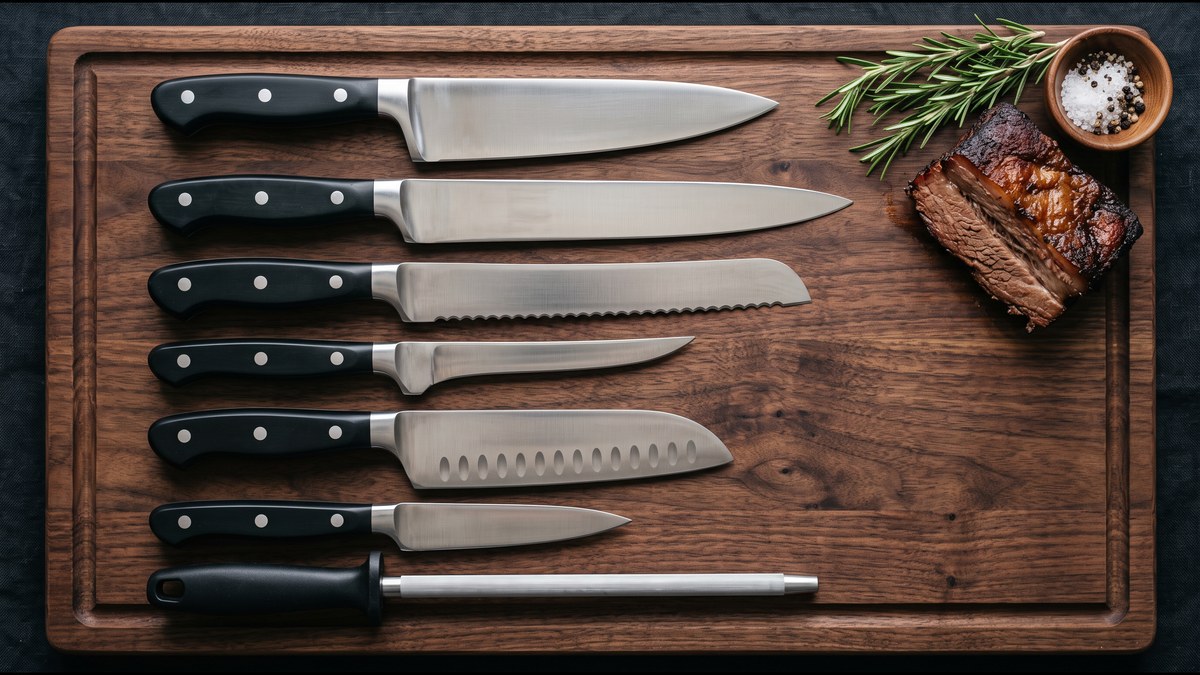
Kitchen knives come in a range of shapes and sizes, each designed for specific cutting tasks rather than serving as one-size-fits-all tools. The most fundamental is the chef’s knife, typically with an 8-inch curved blade that excels at the majority of everyday prep work including chopping vegetables, dicing onions, slicing meat, and mincing herbs—thanks to its balance and rocking motion. Closely related is the Japanese-inspired santoku, often slightly shorter with a flatter profile and sometimes granton dimples along the blade, which many cooks prefer for precise slicing and chopping. For finer, in-hand work, the small paring knife (usually 3–4 inches) handles peeling, trimming, and delicate cuts that would feel awkward with a larger blade. A long serrated bread knife is essential for cleanly slicing crusty loaves, cakes, or soft-skinned produce like tomatoes without crushing them. Beyond these, a mid-size utility knife bridges the gap between paring and chef’s knives for sandwiches or smaller produce, while specialized options such as a flexible boning knife (for meat and fish), a long carving or slicing knife (for roasts), and a heavy cleaver (for bones or dense vegetables) expand capability for particular jobs.
While dozens of specialty blades exist, most home cooks can handle the vast majority of recipes with a core trio: a versatile chef’s knife (or santoku as an alternative), a paring knife for precision tasks, and a serrated knife for bread and tomatoes. Adding a utility knife or carving knife becomes useful as your cooking expands to more frequent roasting or detailed prep, but starting with high-quality versions of the essentials always kept sharp is what matters far more than owning every type. Western-style knives (often German-inspired) tend to be sturdier and more forgiving, while Japanese styles prioritize thinner, harder edges for finer cuts; the best choice depends on your preferences and how you cook.
| Knife | Typical blade | What it is for |
|---|---|---|
| Chef’s knife | 6 to 10 in | All-purpose chopping, slicing and mincing; curved for a rocking cut |
| Santoku | 5 to 7 in | Japanese all-rounder for boneless meat, fish and vegetables |
| Paring knife | 2 to 4 in | Peeling, trimming and small, detailed cuts |
| Utility knife | 4 to 7 in | In-between jobs too big for a paring knife and too small for a chef’s knife |
| Bread knife | 8 to 12 in | Serrated; cuts crusty and soft bread without crushing it |
| Carving knife | 8 to 15 in | Thin slices of cooked meat, poultry and roasts |
| Slicing knife | Longer and narrower than a carving knife | Brisket, ham, roasts and fish |
| Boning knife | 5 to 6 in | Taking meat off the bone and trimming; stiff for beef and pork, flexible for poultry and fish |
| Fillet knife | 6 to 12 in | Filleting fish |
| Cleaver | About 6 in (home size) | Splitting meat and bone |
| Nakiri | Varies | Japanese vegetable knife with a straight edge |
| Steak knife | Varies | Cutting steak at the table; often partly serrated |
Blade lengths are the ranges listed in Wikipedia’s kitchen knife entry, converted to inches and rounded.
Which Kitchen Knives Do You Actually Need?
Three cover almost everything:
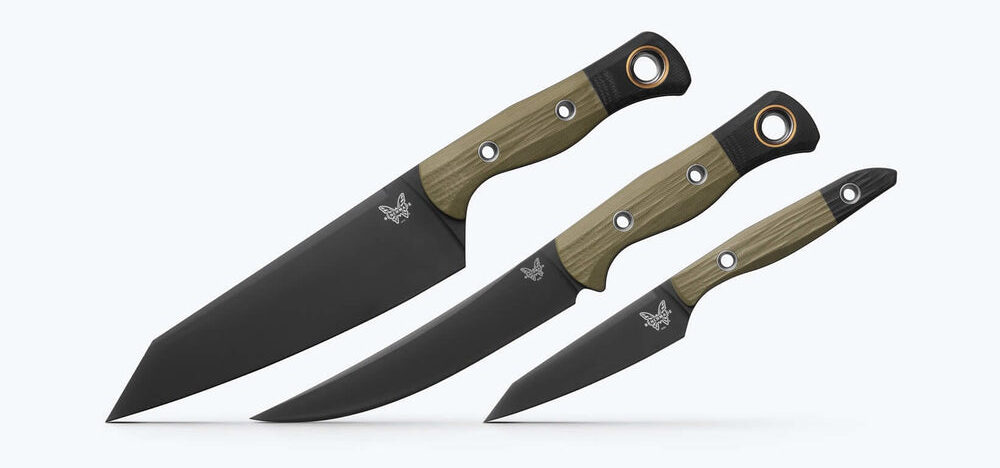
- A chef’s knife, 8 inches. It does most of the cutting in any kitchen. If you buy one good knife, buy this one.
- A paring knife. For peeling, trimming fat off a chop and anything too small for the big knife.
- A serrated bread knife. For bread, buns and tomatoes. Nothing else cuts a crusty loaf without crushing it.
A santoku can stand in for the chef’s knife if you like a shorter, flatter blade. A utility knife is handy but not required.
What Knives Do You Need for Barbecue?
Add two to the basic three.
- A long slicing knife, 10 inches or more. Brisket, pork loin, ham and turkey breast all slice best in one long stroke, and a short blade has to saw. Our brisket cook system walks through slicing a whole brisket.
- A boning knife. For trimming brisket fat, pulling silverskin off ribs and taking meat off the bone. A stiff blade suits beef and pork; a flexible one suits poultry.
For the big holiday birds, our how to carve a turkey guide covers the method and the knife. For slicing across the grain on cuts that change direction, see our smoked tri-tip guide.
What Is the Difference Between a Carving Knife and a Slicing Knife?
A carving knife is a little shorter and stiffer, with a pointed tip that helps it work around bones and joints, which is why it is the classic turkey knife. A slicing knife is longer and narrower, often with a rounded tip, and is built for long, even slices through boneless meat such as brisket and ham. You can carve a turkey with either.
Should a Kitchen Knife Be Straight or Serrated?
Straight for almost everything. A straight edge cuts cleanly and can be sharpened at home. Serrated edges belong on bread knives and steak knives, where the teeth grip a hard crust or a crusty sear. For carving, the National Turkey Federation’s guide says to skip serrated knives.
How Do You Keep Kitchen Knives Sharp?
Hone often and sharpen now and then. A honing steel straightens the edge rather than sharpening it, so a few strokes before each use keep a sharp knife cutting. When honing stops helping, the edge needs sharpening. Our sister site Popular EDC has step-by-step guides on how to sharpen a knife and a knife sharpening angle chart.
The Popular BBQ Kitchen Knife Series
New parts publish every week. Each one is added here as it goes live, and each one runs in the Saturday Pit Brief newsletter.
- Wednesday, November 18, 2026: How to Carve a Turkey
- Thursday, November 19, 2026: Electric Knife: What It’s Good For and How to Carve With One
- Wednesday, November 25, 2026: Best Knife for Cutting, a tool that matches the knife to the food
- Thursday, November 26, 2026: How to Sharpen Kitchen Knives
- Friday, November 27, 2026: Santoku vs Chef’s Knife
- Wednesday, December 2, 2026: How to Choose a Kitchen Knife, a tool that picks the right knife for how you cook
A whole turkey won easily, with turkey breasts and not smoking tied for second.
Frequently Asked Questions
What are the main types of kitchen knives?
The most common are the chef’s knife, santoku, paring knife, utility knife, bread knife, carving knife, slicing knife, boning knife, fillet knife, cleaver, nakiri and steak knife.
What knives does every kitchen need?
A chef’s knife, a paring knife and a serrated bread knife handle most cooking. Barbecue cooks should add a long slicing knife and a boning knife.
What size chef’s knife is best?
Chef’s knives run 6 to 10 inches. An 8-inch blade is the most common choice for home cooks because it handles big jobs and still feels nimble.
What is the difference between a carving knife and a slicing knife?
A carving knife is shorter and stiffer with a pointed tip for working around bones. A slicing knife is longer and narrower for long, even slices through boneless meat like brisket and ham.
Does a honing steel sharpen a knife?
No. A honing steel straightens the edge. Sharpening removes metal to make a new edge.
Buy the chef’s knife first, keep it sharp, and add the rest as the cooking calls for them. Check back every week for the next part of the series.
Sources: Wikipedia, Kitchen knife; National Turkey Federation, How to Carve a Turkey.
Reader Favorites
- Essential BBQ Tools: Get The Tools Pros Recommend Now
- Cleaning Your Gas Grill Cooking Grate: Make it Great Again
- Stainless Steel BBQ Grill Cleaning: Master Maintenance Now
- Grill Baskets: Smoky Veggies & Fish Made Easy
- How to Grill Pizza: Stone or Grates? Tips & Tricks
- Black Friday: Find BBQ Deals for You Outdoor Chef Now
BBQ Temperature Charts & Guides
Four quick-reference tools every cook bookmarks — target temps, pull temps, and how long leftovers keep, plus the full BBQ glossary.
| Cut | Pull | Time |
|---|---|---|
| Brisket | 203°F | 12–16h |
| Spare ribs | 195–203°F | ~6h |
| Pork butt | 203°F | 12–14h |
Target temps & times for 17 cuts, sortable by meat, weight and doneness.
View full chart →| Doneness | Target |
|---|---|
| Rare | 125–130°F |
| Medium-rare | 130–135°F |
| Well-done | 160°F+ |
Rare to well-done, burger safety (160°F) and resting times.
View full chart →| Food | Fridge | Freezer |
|---|---|---|
| Brisket, ribs | 3–4 days | 2–3 mo |
| Smoked sausage | 1 week | 1–2 mo |
| Potato salad | 3–4 days | no freeze |
How long smoked meats & sides keep — fridge and freezer, USDA-based.
View full chart →Every pit term decoded — cooking methods, gear, cuts, wood, and technique, A to Z.
Open the glossary →