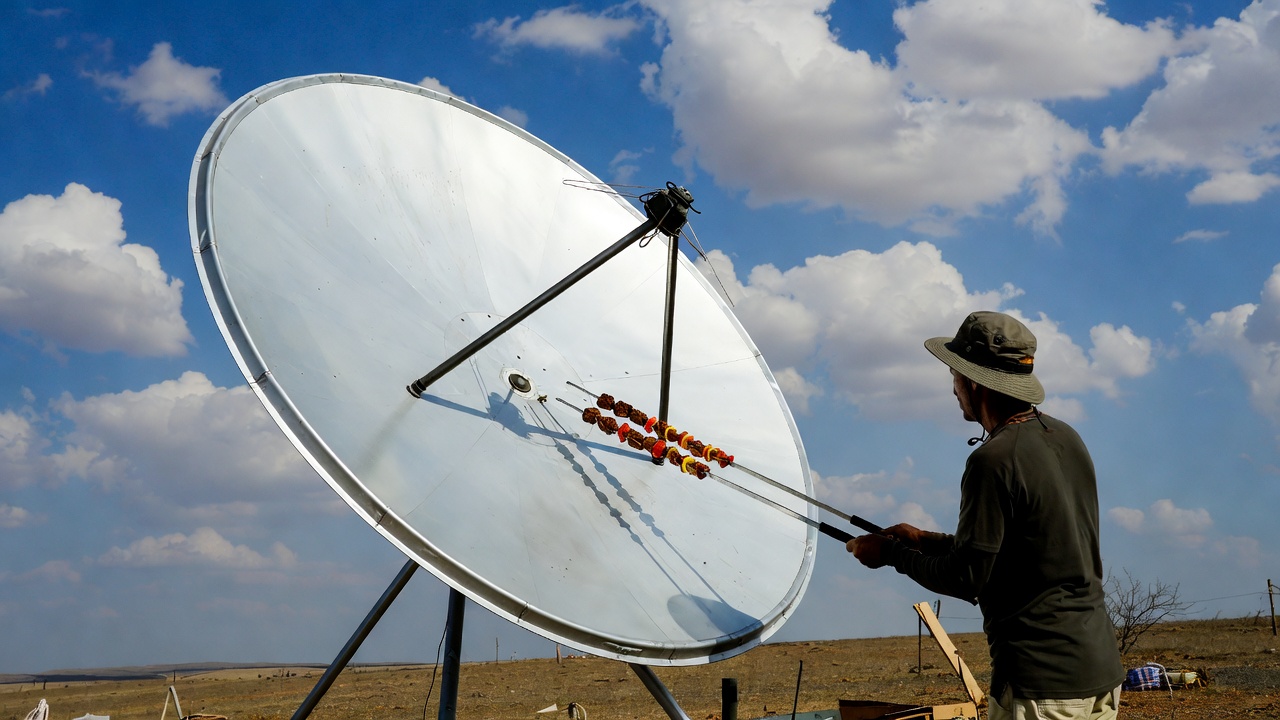
Solar Fuego: Barbecue with the Sun and a Satellite Dish
Turn a scrap satellite dish and pure sunshine into a borderland-style solar BBQ pit—safe temps, high heat, and tacos included.

Mira, this is BBQ straight from sci‑fi: no gas tank, no charcoal bag, just el sol and an old satellite dish focusing beams like a laser on your food.
When I say “barbecuing from the sun and a satellite”, I’m talking about two tools working like a tag team:
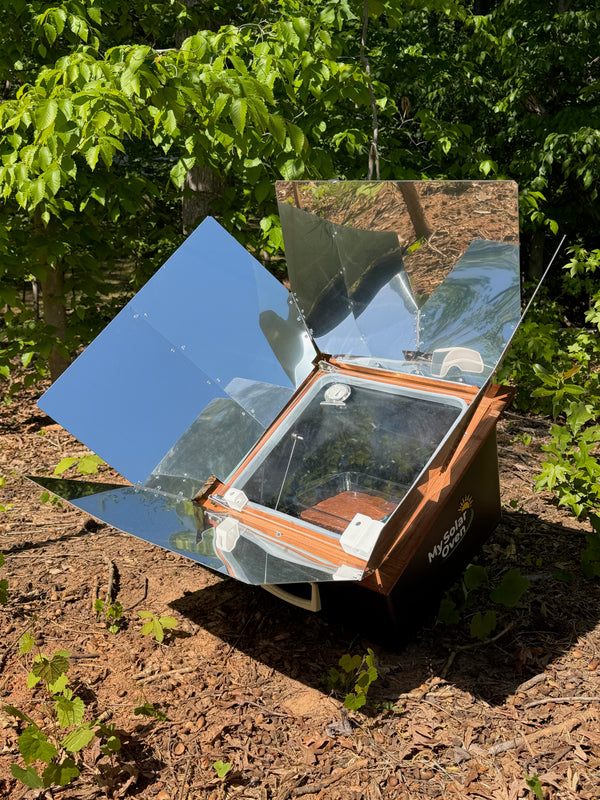
- A box‑style solar oven that cooks like a low, steady horno (oven), perfect for braises and fall-off-the-bone chicken.
- A parabolic solar cooker built from a satellite dish, skinned in something shiny, that focuses sunlight into a blazing hot spot strong enough to sear and fry.45
High‑performance parabolic solar cookers can reach temperatures hot enough to grill meat or fry foods, while box ovens typically top out around moderate oven temperatures, acting more like a slow cooker.4 5 That means we can build bark, crisp skin, and juicy interiors—just with different timing and technique than a mesquite smoker.
Solar cooking has also been used worldwide to save fuel and keep heat out of homes, especially in sunny regions where wood or gas can be expensive.13 Out here on the border, that pairs beautifully with our love of open‑air cooking.
In this guide we’ll:
- Break down solar BBQ methods (box vs parabolic vs hybrid)
- Lock in essential tips for heat, safety, and flavor
- Cook a sun‑oven “barbecued” chicken and a satellite‑dish solar taco cookout
- Troubleshoot clouds, cold days, and undercooked meat
Grab your instant‑read thermometer, a dark pot, and that dusty dish in the corner. Vamos.
Methods Comparison: Solar BBQ Styles
Think of solar gear like a toolbox. Each cooker has a personality, just like an offset smoker vs a plancha.
The main solar BBQ players
- Box solar oven (Sun‑oven style) – Insulated box with glass or clear lid. Acts like a low, steady oven. Many published recipes use it for barbecued‑style chicken, braises, and roasts.712
- Parabolic “satellite dish” cooker – Curved reflective dish (often a repurposed satellite) that focuses sunlight into a tight, very hot focal point, hot enough to boil, fry, or grill.48
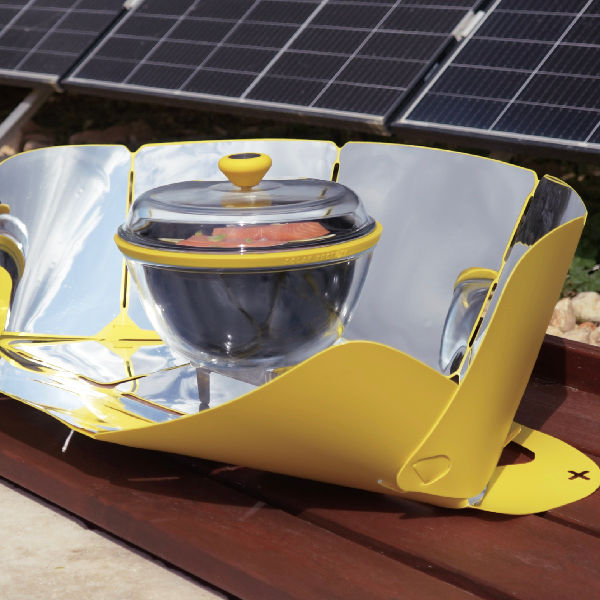
- Panel cooker – Folded reflective panels that direct sun onto a pot in a bag or under glass. Gentler, more like a low oven.
- Hybrid flow – Use solar to do the heavy lifting, then hit a conventional grill or cast‑iron plancha over real fire just to kiss on smoke and char.
Repurposed satellite dishes already have the right parabolic shape. When you add a reflective skin and mount a pot or grate at the focal point, you’ve basically built a parabolic solar cooker.2 8
Parabolic “satellite” cookers shine at high‑heat tasks like browning meat or quickly boiling water, while box and panel cookers are better for slower stews, beans, breads, and roasts.9
Solar BBQ methods table
Temps are typical operating ranges from documented solar cooker performance, plus my own pit‑side experience; always verify with your thermometer.4 5 7
| Method | Typical Cooker Temp Range** | Feels Like | Best Uses | Diego’s Time‑Per‑Pound Range* |
|---|---|---|---|---|
| Box solar oven | ~225–325°F / 107–165°C | Low oven / crockpot | Barbecued‑style chicken, pork shoulder, beans, breads | 60–90 min per lb for tough cuts; 2–4 hrs total for chicken pieces |
| Panel cooker | ~200–275°F / 93–135°C | Gentle oven | Beans, veg, small roasts | Similar to box oven, lean toward the long end |
| Parabolic “satellite” cooker | Up to ~550°F / 290°C+ at focal point on clear days | Searing hot spot / burner | Searing meats, sautéing fajita veg, boiling water | Not by pound—cook thin cuts fast, in minutes; thicker cuts often start elsewhere |
| Hybrid: box + quick sear | Box oven temps above, plus quick contact sear over live fire | Slow roast then grill finish | Ribs, pork butt, tri‑tip, chicken legs | Use box oven timing, then 5–10 min direct fire finish |
**Based on reported performance of solar ovens and parabolic cookers.4 5 7
*These are my working backyard ranges, not lab guarantees. Your sun angle, cooker build, and pot choice will move the needle—so use them as a starting map, not gospel.
Essential Tips for Cooking with Sun and Satellite
Solar BBQ is slower than a screaming mesquite pit, but the rules of heat and safety don’t change. We just swap firewood for photons.
1. Cook to temperature, not to color
No matter how you heat it, meat has to hit the same safe internal temps recommended by USDA:
- Poultry (whole or pieces): 165°F / 73.9°C
- Ground meats (beef, pork, etc.): 160°F / 71.1°C
- Whole cuts of beef, pork, veal, lamb: 145°F / 62.8°C plus a 3‑minute rest
- Fish: 145°F / 62.8°C1
That gorgeous brown from concentrated sunlight can fool you. Always stick an instant‑read thermometer into the thickest part of the meat.
2. Respect the danger zone
Food safety doesn’t care that your fuel is “clean.” Perishable food shouldn’t sit between 40°F and 140°F (4–60°C) for more than about 2 hours total (or 1 hour if it’s hotter than 90°F outside), because bacteria grow fastest there.2
How I apply that on the solar pit:
- I preheat the cooker before adding raw meat.
- If the oven air temp isn’t clearly climbing well above 200°F / 93°C after the first hour, I pull the food, chill it, and change plans rather than letting it crawl slowly through the danger zone. That’s my personal safety margin built off the general danger‑zone rules.2
3. Harness the right hardware
- Dark, matte pots and pans (black or dark enamel) soak up sunlight instead of bouncing it away, which improves heating efficiency.67
- Some solar designs get better performance when the pot and rack sit inside a clear oven bag or glass cover, which traps hot air around the food.67
- Shiny stainless pots can reflect precious light, slowing down your cook.6
Pro Tip: For the satellite dish cooker, I love a black cast‑iron skillet or plancha at the focal point. It drinks in energy and spreads heat just like over coals.
4. Track the sun like a hawk
Parabolic cookers can reach high temperatures quickly, but only if you keep them locked on the sun. They require periodic repositioning to track the sun’s movement, especially during longer cooks.6
On clear days, cooks using solar gear commonly report full meals—chicken, ribs, stews, or cakes—finishing in roughly 2–3 hours, while conditions that are too cloudy can make solar cooking impractical.10
My rhythm:
- Re‑aim the dish or box every 15–20 minutes so the beam stays centered.
- Favor late morning to mid‑afternoon, when the sun is highest.
- If clouds keep covering the sun for more than 20–30 minutes, I start thinking backup heat.
5. Safety around live fire’s solar cousin
The focal point of a shiny dish is not a toy. I treat it like a silent blowtorch:
- I keep faces and bare arms out of the beam.
- I wear sunglasses or a brimmed hat when I’m directly in front of the dish to cut glare.
- I keep flammables—dry brush, cardboard, lighter fluid—well away.
- I anchor the stand so a gust of wind can’t tip a pan of hot fat onto anyone.
Safety: Solar cookers can bring oil and surfaces to frying temperatures, so I handle them with the same respect I give a gas burner on high.4
6. Flavor math: building “BBQ” without wood smoke
Solar ovens don’t give you mesquite smoke. That’s real talk. But we can still build that borderland profile:
- Smoke note – I lean on smoked chiles (chipotle, smoked paprika) instead of bottled liquid smoke.
- Chile depth – Guajillo, ancho, or pasilla for base; chipotle or arbol for bite.
- Acid – Lime and orange juice to wake everything up.
- Fat – A little oil or rendered chicken fat to carry flavor across your tongue.
- Char – Finish on a ripping‑hot plancha or quick blast over real coals when you can.
Flavor Math: smoke‑y chiles + deep rub + slow solar heat + quick char = BBQ energy without the chimney.
Recipes: Solar Borderland BBQ Menu
Now we put the sun to work. These recipes are written for:
- A box‑style solar oven (or well‑insulated DIY equivalent)
- A parabolic satellite‑dish cooker with a safe stand and a dark pan at the focal point
Box‑style solar ovens have been used successfully to cook barbecued‑style chicken and other family dishes in a few hours using rubs and sauces for flavor, not smoke.7 12 We’re standing on that foundation, then adding borderland swagger.
All times are my working ranges in strong sun. Your weather and hardware will shift things, so trust your thermometer first.1
Recipe 1: Sun‑Oven Borderland “Barbecued” Chicken Thighs
Boneless, skin‑on if you can find them, riding in a smoky‑chile sauce. Think backyard BBQ meets low‑and‑slow horno.
Yield: 4–6 servings
Prep Time: 20 minutes (plus optional 2–12 hour marinate)
Cook Time (solar): ~2–3 hours in strong sun
Total Time: 2½–3½ hours
Ingredients
For the rub & marinade
- 3 lb (1.4 kg) chicken thighs, bone‑in or boneless
- 2 tsp kosher salt
- 1 tsp freshly ground black pepper
- 2 tsp smoked paprika or ground chipotle
- 2 tsp ground ancho or guajillo chile
- 1 tsp ground cumin
- 1 tsp dried Mexican oregano
- 2 tbsp brown sugar or piloncillo, finely grated
- 3 tbsp neutral oil
- Juice of 2 limes
- 2 tbsp orange juice
- 3 cloves garlic, minced or crushed
For the sauce (solar braise)
- 1 cup tomato puree or smooth salsa roja
- ½ cup water or low‑sodium stock
- 2 tbsp apple cider vinegar
- 1 tbsp honey or more brown sugar, to taste
- 1 tsp more smoked paprika or chipotle
- Salt to taste
Steps
- Preheat the sun oven
Set your box solar oven in full sun and preheat while you season the chicken. You want it climbing toward the higher end of its range (ideally 275–325°F / 135–165°C inside).4 7 - Rub the chicken
In a big bowl, mix salt, pepper, smoked paprika, ancho, cumin, oregano, and brown sugar. Add oil, lime, orange juice, and garlic to make a loose paste. Toss chicken until every piece is slick and stained deep red. Marinate while the oven heats, or chill up to 12 hours. - Whisk the sauce
In a separate bowl, combine tomato puree, water/stock, vinegar, honey, and chipotle. Adjust salt. You want a tangy‑sweet, slightly spicy sauce that tastes a little louder than you think—it’ll mellow as it cooks. - Pan it up
Pour a thin layer of sauce into a dark, lidded roasting pan or Dutch oven, lay in the chicken in a snug single layer, then pour the rest of the sauce over. Cover with lid or tight foil. The dark, covered pan helps absorb and trap heat in a solar setup.6 7 - Into the sun
Put the pan in the preheated solar oven. Aim the oven directly at the sun. Note the start time. - Cook low and slow
In strong midday sun, expect about 2–3 hours until tender, rotating the oven every 20–30 minutes to follow the sun. Around the 90‑minute mark, start checking internal temp in the thickest thigh. - Check for doneness safely
When the chicken hits at least 165°F / 73.9°C in the thickest part, it’s safely cooked.1 If it’s tender but not yet shreddable and you want it softer, you can let it ride a bit longer as long as the oven stays hot. - Optional glaze finish
For a sticky top, crack the lid for the last 20–30 minutes so some moisture escapes and the sauce thickens and clings. - Serve ritual
Shred or slice the chicken into the sauce. Serve on warm tortillas with cebolla y cilantro, or over rice and beans. Hit each plate with a lime squeeze. If your tortillas aren’t puffing or edges crisping, slide them into the still‑hot oven on a dry dark tray for a few minutes.
Safety: If thick clouds roll in and your oven temp drops and stays low, pull the pan, chill promptly, and finish later in a conventional oven or on a covered grill. That keeps you out of the danger zone window.2
Recipe 2: Satellite‑Dish Solar Fajita Tacos
Here we turn a parabolic satellite dish into a sun‑powered plancha for sizzling beef and peppers.
Yield: About 8–10 tacos (3–4 servings)
Prep Time: 25 minutes (plus 1–4 hour marinate)
Cook Time (solar): 20–40 minutes in strong sun once the pan is blazing
Total Time: 1½–2¾ hours
Gear check
- Parabolic solar cooker built from a satellite dish, safely mounted and skinned with a reflective surface48
- Sturdy stand that won’t tip
- Black cast‑iron skillet or carbon steel pan sized for the focal point
- Long tongs and heat‑resistant gloves
Ingredients
For the beef & marinade
- 1½ lb (680 g) beef flank, skirt, or thinly sliced sirloin
- 1½ tsp kosher salt
- 1 tsp freshly ground black pepper
- 2 tsp ground ancho or guajillo chile
- 1 tsp smoked paprika
- 1 tsp ground cumin
- 1 tsp dried Mexican oregano
- 3 tbsp lime juice
- 2 tbsp orange juice
- 3 tbsp neutral oil
- 3 cloves garlic, minced
For the fajita veg
- 1 large onion, sliced into ½‑inch strips
- 2 bell peppers (any color), sliced into strips
- 1–2 jalapeños, sliced (optional heat)
- 1–2 tbsp oil
- Salt to taste
To serve
- 12–16 corn tortillas
- Chopped cilantro and white onion
- Lime wedges
- Your favorite salsa roja or salsa macha
Steps
- Aim and preheat the dish
Set up your satellite‑dish cooker in full sun, adjusting tilt so it faces the sun squarely. Place the empty black skillet at the focal point and let it preheat until a drop of water sizzles violently and vanishes on contact. Parabolic cookers can reach temperatures comparable to high stovetop or grill heat at this point.4 5 - Marinate the beef
Slice beef against the grain into strips about ½ inch thick. In a bowl, combine salt, pepper, ancho, smoked paprika, cumin, oregano, lime juice, orange juice, oil, and garlic. Toss beef to coat. Marinate 1–4 hours in the fridge. - Season the veg
Toss onion, bell peppers, and jalapeños with oil and a pinch of salt. Keep at room temp while the pan preheats. - Sear the veg first
When the skillet is ripping hot, carefully slide in the onions and peppers in a single layer. They should sizzle loudly. Cook, stirring and re‑aiming the dish every 5–10 minutes to keep that hot spot centered, until edges are charred and veg are tender‑crisp. Transfer to a warm bowl. -
Sear the beef in batches
Re‑center the dish on the sun. Add a thin film of oil if the pan looks dry. Lay in a single layer of beef strips—don’t crowd. They should sear fast, getting browned edges.- For thin strips, start checking internal temp after 4–6 minutes, flipping once.
- You want at least 145°F / 62.8°C in the center of each strip for safe whole‑muscle beef, followed by a short rest.1
Transfer cooked beef to a warm bowl, tent loosely. Repeat with remaining beef.
- Warm the tortillas
Slide tortillas into the outer edge of the hot pan or onto a separate dark comal placed slightly off the focal point. Flip as they puff and brown in spots. - Flavor finish
Toss the beef and veg together with any resting juices. Taste and adjust with more salt or a squeeze of lime. - Serve ritual
Build tacos: tortilla, a tangle of beef and veg, shower of cilantro and onion, spoon of salsa, squeeze of lime. If your tortillas aren’t bending and crisping just right, they haven’t had enough heat—back to the pan.
Safety: Keep handles turned away from the beam and always approach from the side. That focal point can heat metal to frying temperatures quickly.4
Bonus: Solar‑Roasted Salsa Roja
If the sun is already doing work, let it help with la salsa.
Yield: About 2 cups
Prep Time: 10 minutes
Cook Time (solar): 45–90 minutes
Total Time: 1–1½ hours
Ingredients
- 6 Roma tomatoes
- 3–4 cloves garlic, unpeeled
- ½ white onion, thickly sliced
- 2 jalapeños or serranos
- 1 tbsp oil
- ½ tsp salt (plus more to taste)
- ¼ cup cilantro leaves
- Juice of 1 lime
Steps
- Preheat any solar cooker
Box oven, panel, or parabolic with the pan pulled slightly off the focal point—all work. You want gentle roasting, not instant incineration. - Tray the veg
Toss tomatoes, garlic, onion, and chiles with oil and salt on a dark baking tray. - Roast in the sun
Cook until tomatoes slump, onions soften, and chiles blister. Rotate the cooker as needed. Expect 45–90 minutes depending on your setup. - Blend and brighten
Peel garlic, then blend everything with cilantro and lime juice until smooth or chunky as you like. Adjust salt and acid. Serve with the tacos or chicken.
Troubleshooting Your Solar BBQ
Welcome to the part where clouds troll you. Let’s fix it.
1. “My cooker never got hot enough.”
Symptoms: Oven air temp never climbs past a low simmer, meat stuck in the gray zone.
Check:
- Is the cooker aimed squarely at the sun and re‑aimed every 20–30 minutes?610
- Are you using dark, matte cookware instead of shiny steel?67
- Is there a clear cover or oven bag to trap hot air, if your design needs one?67
Fix:
- Rebuild or reseal leaky lids and gaskets.
- Switch to black or dark enamel pans.
- Keep loads smaller: less mass heats faster.
- If you still can’t get hot, don’t push meat through the danger zone slowly—move food back to the fridge and finish with conventional heat based on standard food‑safety guidance.2
2. “Outside is browned, inside is sketchy.”
Parabolic beams can over‑brown the surface while the center lags.
Fix moves:
- Use thinner cuts or flatten chicken pieces so heat penetrates faster.
- Start dense cuts in a box oven or lower‑heat zone, then finish at the focal point.
- Use your thermometer: don’t trust color alone for doneness.1
3. “Clouds ruined my cook.”
Solar cooking timing is very weather‑dependent; cooks often find that semi‑sunny days just don’t deliver enough energy for a full meal.10
Plan B options:
- Pre‑plan a hybrid cook: solar until 20–30°F below target internal temp, then finish on a grill or in an indoor oven.
- If temps drop and don’t recover, chill food quickly and restart later rather than hovering in the danger zone.2
4. “The dish feels dangerous to be around.”
Good. Respect keeps you safe.
Safety tweaks:
- Mark a “no‑stand zone” directly in front of the dish so no one stares into the beam.
- Use heat‑resistant gloves and long tongs.
- Anchor legs with sandbags or weights so wind doesn’t shift a hot pan.
5. “My food tastes like oven chicken, not BBQ.”
Box ovens cook more like a slow oven, which is exactly what they are.5
Flavor upgrades:
- Build a serious dry rub with layered chiles.
- Finish meat quickly over real wood coals for authentic smoke.
- Reduce sauces in a pan at the focal point of a parabolic cooker to concentrate flavor.
Solar BBQ FAQs
Can I really grill meat safely with just the sun?
Yes—if your cooker gets hot enough and you follow the same safe internal temperatures used for any grill or oven.1 The heat source doesn’t change what “safe” looks like inside the meat.
Key habits:
- Preheat your cooker aggressively.
- Keep food moving steadily through the 40–140°F danger zone window, not parking there for hours.2
- Always verify doneness with a thermometer.1
How close is the flavor to wood‑smoked BBQ?
It won’t taste like a 12‑hour mesquite brisket, porque there’s no burning wood. You’re chasing “BBQ‑style”—browned surfaces, sticky sauces, tender meat—using sunshine for heat. Smoke flavor still comes from actual wood or smoked ingredients, not from the sun.
My move: let the sun do the bulk cooking, then touch meat briefly over mesquite or pecan to kiss on real smoke.
Do I need special pots and pans?
You don’t need boutique gear, but solar specialists strongly recommend dark, matte cookware and sometimes a clear enclosure like an oven bag or glass lid to boost performance and evenness of cooking.6 7
Skip shiny, mirror‑like pots; they reflect light that should be heating your food.6
What climates are best for solar BBQ?
Solar cooking depends more on clear, direct sunlight than on air temperature. Reports from solar cooks show meals like chicken, ribs, and stews finishing in about 2–3 hours on clear days, while overcast or very intermittent sun can make solar cooking ineffective.10
High‑sun regions—deserts, high plains, tropical dry seasons—are prime. Humid, cloudy, or short‑day seasons are when hybrid cooking shines.
Can I turn any old satellite dish into a solar BBQ?
Many discarded satellite TV dishes already have the right parabolic curve. DIY guides show how to coat the dish with a reflective film or foil and mount a pot or grate at the focal point to make a functional solar cooker that can boil water or fry foods.2 8
You still need to build a safe stand and pot support before you ever point it at the sun.
Is this actually worth it if I already own a grill?
If you’ve got endless charcoal and cool evenings, maybe this is just a fun project. But if you:
- Want to cook without adding heat to the house in summer
- Like off‑grid or emergency‑ready setups
- Live where sun is abundant but fuel is pricey
…then a solar BBQ rig is another powerful tool in your outdoor‑cooking arsenal.13
External Resources for Solar Barbecue Nerds
When you’re ready to deep‑dive past my pit notes, hit these:
- USDA FSIS – Safe Minimum Internal Temperature Chart – Your non‑negotiable baseline for safe internal temps for every meat you cook, solar or not.1
- USDA – “Keep Food Safe! Food Safety Basics” – Clear breakdown of the danger zone and how long food can safely linger there.2
- KitchenAsking – Parabolic Solar Cookers: The Ultimate Guide – Practical overview of parabolic cookers, including performance tests and where high‑heat solar cooking shines.4
- Solar Brother – Making a Parabolic Solar Barbecue – Step‑by‑step build notes and aiming tips specifically for parabolic “solar barbecues,” plus why dark cookware matters.6
- DoItYourself – How to Build a Parabolic Solar Cooker – DIY instructions for turning a dish (including satellite dishes) into a working solar cooker and finding the focal point.8
- Sun Oven Recipes – Big library of tested solar‑oven dishes, including barbecued‑style chicken and braises that map well to our box‑oven cooks.7
- Solar Cooking Wiki – Poultry – Community recipes and notes specifically on cooking chicken and other poultry with solar ovens.12
- Solar Cookers International – Global resource hub explaining cooker types, benefits, and field experience with solar cooking worldwide.13
- Backyard Yum – Home‑cook recipes that bridge solar ovens with classic grilling and smoking, great for hybrid menu ideas.14
Cook like an ancestor’s watching, even when your fire is a star 93 million miles away. BBQ is our borderland love language—solar or smoky—so share your sun‑fueled plates with the crew and keep pushing that flavor forward.
Sources
- USDA FSIS – Safe Minimum Internal Temperature Chart
- USDA – Keep Food Safe! Food Safety Basics
- USDA – How Temperatures Affect Food
- KitchenAsking – Parabolic Solar Cookers: The Ultimate Guide
- Wikipedia – Solar cooker
- Solar Brother – Making a Parabolic Solar Barbecue
- Sun Oven – Owner Resources and Recipes
- DoItYourself – How to Build a Parabolic Solar Cooker
- Appropedia – Aleiha’s Parabolic Solar Cooker
- WFSU – Cooking on the Sunny Side: How Solar Chefs Put Food on the Table
- DVO – Solar Baked BBQ Chicken Legs
- Solar Cooking Wiki – Poultry
- Solar Cookers International – Resources
- Backyard Yum – Sun Oven and Grill Recipes
Reader Favorites
- The Best Way to Use a Pizza Oven for Amazing Results
- Cast Iron Grilling: Grill Epic Meals with Lodge Now
- Drum Smokers in 2026: Why More Backyard Pitmasters Are Going UDS
- Pit Boss vs. Traeger 2026: The Pellet-Grill Comparison Pitmasters Actually Use
- Smoked Watermelon Ham: The Backyard Recipe That Fools Carnivores
- Weber Just Showed a Santa Maria Grill at Memphis in May – But You Can’t Buy It Until 2027
BBQ Temperature Charts & Guides
Four quick-reference tools every cook bookmarks — target temps, pull temps, and how long leftovers keep, plus the full BBQ glossary.
| Cut | Pull | Time |
|---|---|---|
| Brisket | 203°F | 12–16h |
| Spare ribs | 195–203°F | ~6h |
| Pork butt | 203°F | 12–14h |
Target temps & times for 17 cuts, sortable by meat, weight and doneness.
View full chart →| Doneness | Target |
|---|---|
| Rare | 125–130°F |
| Medium-rare | 130–135°F |
| Well-done | 160°F+ |
Rare to well-done, burger safety (160°F) and resting times.
View full chart →| Food | Fridge | Freezer |
|---|---|---|
| Brisket, ribs | 3–4 days | 2–3 mo |
| Smoked sausage | 1 week | 1–2 mo |
| Potato salad | 3–4 days | no freeze |
How long smoked meats & sides keep — fridge and freezer, USDA-based.
View full chart →Every pit term decoded — cooking methods, gear, cuts, wood, and technique, A to Z.
Open the glossary →